Rijeka Old Town: A Walking Guide to the Centre
Rijeka's old town fits into a half-day walk: the Korzo, City Clocktower, St Vitus Cathedral, Roman ruins at Tarsatički Principij and Trsat Castle above.
On this page
Rijeka's old town fits into a half-day on foot, with the Korzo as the spine and the churches, market and Roman ruins branching off it. The uphill leg to Trsat is a separate choice: a 538-step stairway or a short ride by bus, taxi or car. This guide covers the streets and squares of the centre in walking order, then the options above the city.
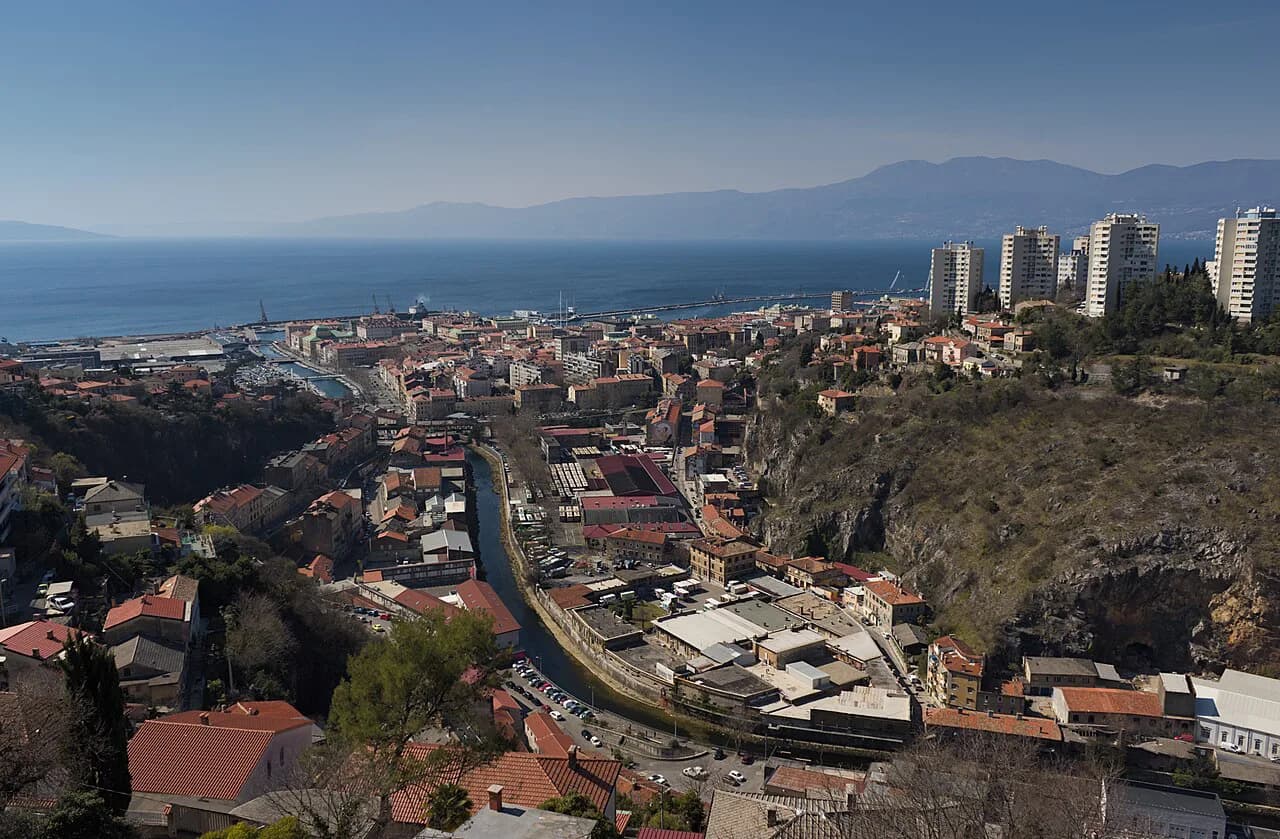
Rijeka is Croatia's third-largest city, sitting on the Kvarner Bay, and much of its old centre has been renovated in recent years. The city was European Capital of Culture in 2020, a title it carries as history rather than as a current event. The old town itself is the walkable heart: the Korzo, the clocktower, the cathedral and the surrounding lanes.
What the old town covers, and how it relates to the Korzo
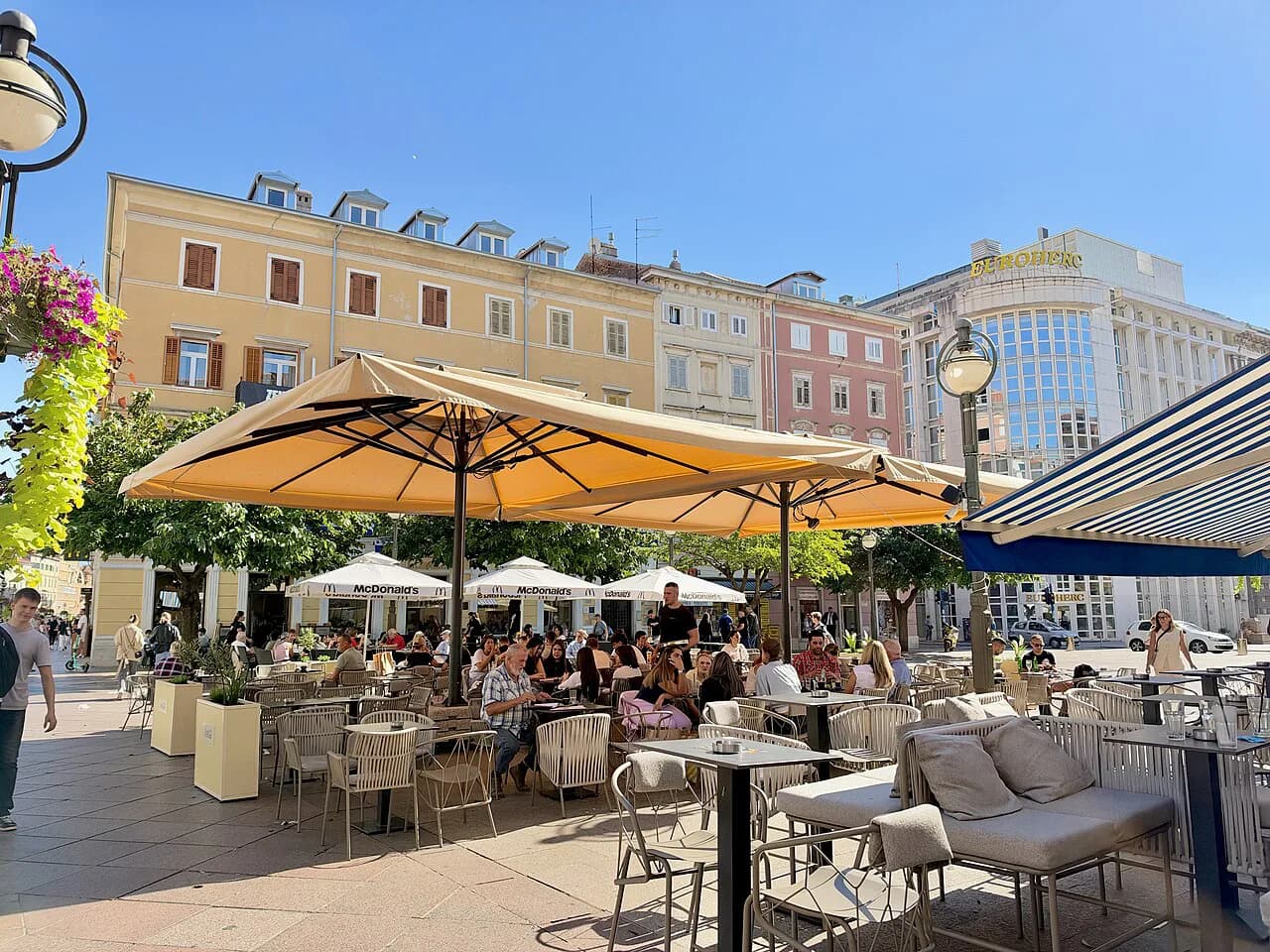
Treat the Korzo as the map's spine. It is Rijeka's main pedestrian promenade, lined with shops and cafes, and the city's sights sit along or just off it. The City Clocktower and the Old City Gate are found here, so this is where a walk naturally starts.
Most of the centre is flat, and the distances between the Korzo, the cathedral, the market and the Roman ruins are short enough to string together without planning transport. Keep the east-side climb to Trsat as a separate leg later in the day rather than tacking it onto the centre walk.
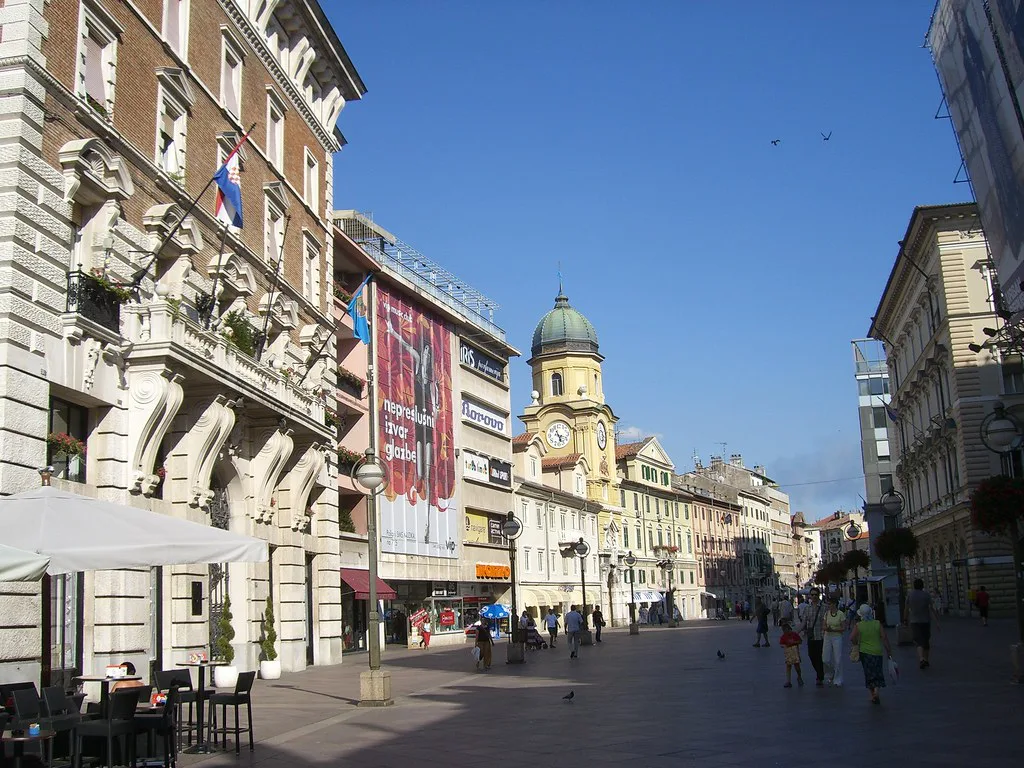
Start at the Korzo: the pedestrian promenade, the City Clocktower and the Old City Gate
Begin on the Korzo and look for the City Clocktower and the Old City Gate. This is the piece of the old town most visitors see first, and it sets the geography: the rest of the centre flows off this line. Allow time to sit down, because the promenade is as much a place to linger as to walk through.
Shops along the Korzo and its intersecting lanes cover books, jewellery, souvenirs and galleries. Two large shopping malls, Tower Center Rijeka and ZTC, sit at either end of the city if you want more.
St Vitus Cathedral, the Jesuit church on the Croatian 100 kuna note
St Vitus Cathedral (Katedrala sv. Vid) is the centre's most distinctive church, built in the 17th century by a Jesuit architect and shaped in a way that makes it hard to mistake. Before Croatia adopted the euro, the cathedral appeared on the 100 kuna paper note, so it is worth a look even if churches are not usually your stop.
Combine it with the nearby Church of the Assumption of the Blessed Virgin Mary, whose bell tower leans noticeably. These are two separate stops, and it is easy to conflate them: St Vitus is the domed Jesuit church, the leaning tower belongs to the Assumption church.
The leaning bell tower and the Roman ruins at Tarsatički Principij
The leaning bell tower in front of the Church of the Assumption of the Blessed Virgin Mary gives Rijeka a small answer to Pisa, with a Croatian flag hanging from its upper windows. A short walk from here brings you to the ancient Roman ruins turned into an archaeological park, Tarsatički Principij.
Both stops are brief, so treat them as a pair on the way between the Korzo and the museum rather than as destinations in themselves. The Roman ruins are an open archaeological park rather than a ticketed interior, so the time you spend there depends on your own interest.
Maritime and History Museum of the Croatian Coast in the former Governor's Palace
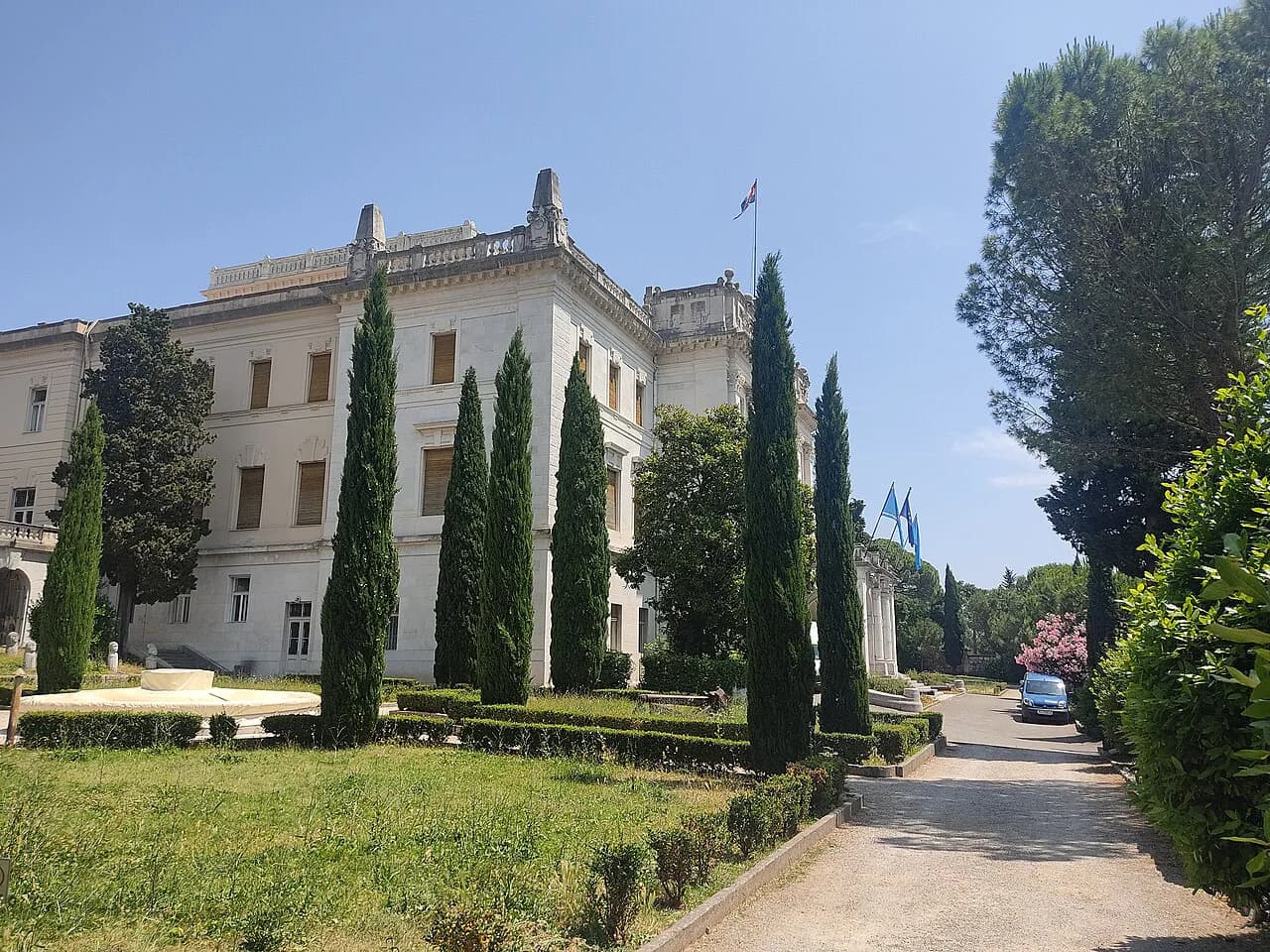
The Maritime and History Museum of the Croatian Coast occupies the 19th-century Governor's Palace and is the centre's main indoor stop. It is the natural place to spend a longer stretch if the weather turns or if you want the city's seafaring history put in order.
Check the museum's own published opening hours and ticket prices before you set out, since they vary by season. Pair it with the Roman ruins nearby and the cathedral just beyond.
The City Market: a year-round morning stop, Monday to Saturday
The City Market runs Monday to Saturday, year round except on holidays, opening early in the morning and closing in the early afternoon. Treat it as a morning stop rather than an afternoon one: after lunch the stalls are packing up, and Sundays are out entirely.
Expect local vegetables, fruit, meat, cheese, grains, nuts and baked goods, with the fishermen's morning catch coming straight from the bay. That makes it a practical first stop before the Korzo, not a mid-afternoon detour.
Climbing to Trsat: the 538 steps of the Petar Kružić Stairway, or a bus, taxi or drive
Trsat sits on a hill east of the centre, above the city, and the Petar Kružić Stairway climbs to it in 538 steps. The lower part of the staircase was built by the 16th-century Croatian captain Petar Kružić; the climb is a proper workout rather than a gentle stroll.
If the stairs are not for you, reach Trsat by local city bus, taxi or your own car. Note that the hill is east of the centre, so this is an out-and-back leg rather than a loop that returns through the old town.
Trsat Castle and Our Lady of Trsat above the city
At the top, Trsat Castle is a medieval fortress with a wide view over the city and the Gulf of Kvarner. Next to it are the Franciscan monastery and the pilgrimage centre of Our Lady of Trsat, along with a statue of Pope John Paul II, who visited in 2003.
The castle was home to a branch of the Habsburg family and hosts cultural events in summer. If you plan to go inside rather than just for the view, confirm current opening times with the castle or the tourist board before you climb.
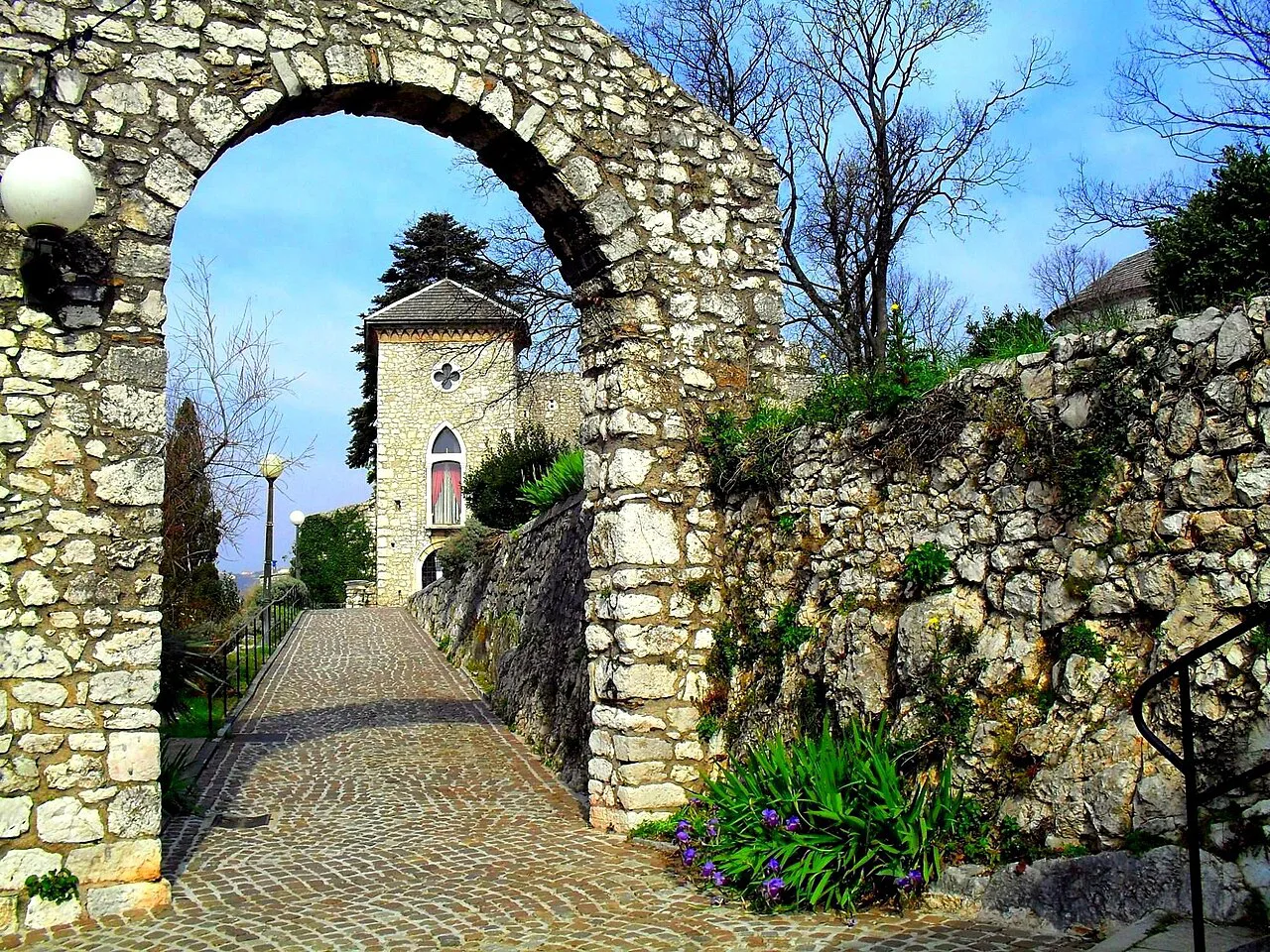
Kastav, the hilltop medieval town west of the centre
Kastav is a separate hilltop excursion west of Rijeka, not part of the old-town walk. Its old town gate, square, Loggia and the Church of St. Jelene Križarice are well preserved, and remains of the Crekvina fort and town walls are still visible.
Add Kastav only if you have a second half-day in the city or a car; the flat centre and the Trsat climb already fill a comfortable day. The same applies to Opatija and Istria's coastal towns, which work better as separate day trips.
How long the walk needs, and how to split it across a day
The flat old town, Korzo to market to museum to cathedral, is a half-day at an unhurried pace. The Trsat leg, stairs or transport plus time at the castle and the sanctuary, is another two to three hours. Splitting them across a morning and an afternoon keeps the walking manageable.
If you only have one day, do the centre in the morning while the market is open, then ride up to Trsat in the afternoon. If you have two days, save Kastav for the second and take the stairway on foot without rushing.
Crowds, heat and timing: what changes in July and August
July and August are the busiest months, so start early, when the market is at its best and the Korzo is still walkable. Save the Trsat climb for the morning or late afternoon, since the 538 steps in midday heat are a different proposition from the same stairs in shade.
The Korzo's cafes and outdoor seating fill up in high season, and the market closes on Sundays and holidays. Build your day around those two facts rather than around a fixed timetable.
Should you climb to Trsat or stay in the centre?
A single day in Rijeka gives you the old town comfortably, with the Korzo, the clocktower, the market, the cathedral, the leaning tower, the Roman ruins and the museum. Add the Trsat climb only if you have the energy or a second day, and take the bus or a taxi if the stairs are not appealing.
For a wider plan, including the single sights outside the old-town walk, see what else there is among the things to do in Rijeka before you fix your days.
Explore more Rijeka guides
Frequently Asked Questions
Where is Rijeka located?
Rijeka is on Croatia's northern Adriatic coast, on the Kvarner Bay. It is the country's third-largest city and a working seaport, with the old town set back from the water along the Korzo.
How do you get up to Trsat Castle without the stairs?
The Petar Kružić Stairway climbs to Trsat in 538 steps, but you can also reach the castle and the sanctuary by local city bus, taxi or your own car, which many visitors prefer in summer heat.
Sources
Notes from the Croatian coast
Optional updates when our guides change.
You might also like
Continue reading
More guides you'll find useful