Rijeka History: A Short Timeline for Visitors
Rijeka's history in a short, visitable timeline: Roman Tarsatica, the Habsburg free port, the 1,707-metre Molo longo and the Governor's Palace.
On this page
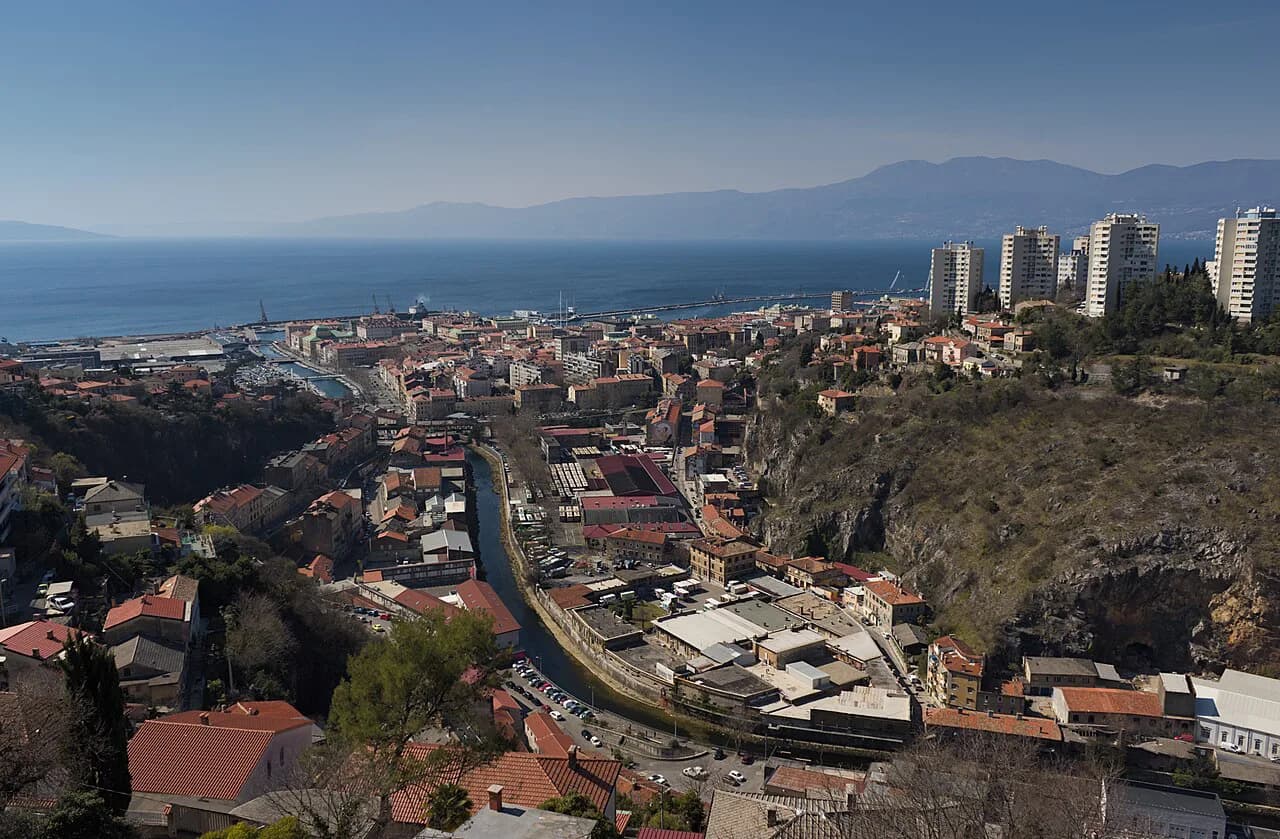
Rijeka's history is worth an afternoon, not a week: four eras pressed into one walkable centre, anchored by a 1,707-metre breakwater, a Habsburg Governor's palace and a medieval core on the Rječina. The city reads best if you know which layer you are looking at, because the port that made modern Rijeka also buried much of what came before it.
This guide runs a short timeline and attaches each period to a specific building, street or piece of water you can still see. It also states plainly which sites are shut and what stands in for them.
What Rijeka's history gives you as a visitor
Treat the city as four layers stacked along the water. Roman Tarsatica and the medieval town cluster around the Rječina; the Habsburg port rebuilt the shoreline from the 18th century; the Governor's Palace and the museum in Rijeka carry the imperial story into the 20th century; and the wartime years are remembered at Lipa and in the littoral collections outside the centre.
The advantage of this shape is that you can skip any layer and still make sense of the rest, which matters on a short stay. Pick the port layer if you want the big set pieces, or the river layer if you want the older, quieter streets.
Roman Tarsatica and the medieval town on the Rječina
The city's origin story starts with the Roman settlement of Tarsatica on the right bank of the Rječina, which the City of Rijeka places in its account of the fortified town that passed through many rulers and names before the age of sail. The same account notes the earthquakes of 1750 to 1754, after which a new town, Civitas nova, was built over filled-in ditches and along the sandy shore.
The old town is the place to start if you want the pre-Habsburg layers before the port story takes over. Walk this layer first, while your attention is fresh, and the later port story will make more sense; the Rijeka tunnel adds a below-ground layer from the wartime years.
Why 1719 matters: the free port that rebuilt the city
If you remember one date, make it 1719, when Rijeka was declared a free port under Charles VI. The city's own history ties this to a burst of economic development, including St Charles's lazaretto, the Caroline road to the hinterland and a sugar refinery holding a monopoly across the Habsburg Monarchy.
After that the city grew by filling the sea. The Rječina mouth could not take large ships, so the Habsburgs ran a long, expensive programme of land reclamation to build a deep-water harbour, and Josef Bainville's 1843 plan for the city and port set out the breakwater, the diversion of the Rječina and infill in front of what is now Palazzo Modello.
The 1873 railway to Budapest via Zagreb tied Rijeka to the Hungarian interior, confirming it as Hungary's only outlet to the sea within the dual monarchy. That connection, more than any single building, explains why the waterfront looks the way it does.
The Habsburg port in stone: Molo longo, the piers and the warehouses
The breakwater, popularly called Molo longo, is the single best piece of Habsburg engineering to walk. The City of Rijeka gives its length as 1,707 metres, records that planning and preparatory work began in 1872 and that construction finished in 1888, and notes it was named Molo Maria Teresa in the empress's honour.
The same account says it was designed by the Hungarian architect Antal Hajnal for the Hungarian administration, that the closing pier was added in 1908 and a final extension followed in 1934, and that it now serves as a passenger terminal and coastal promenade. Budget roughly an hour for the out-and-back, plus time at the far end; the walk is exposed, so wind and sun decide how pleasant it is.
Behind the breakwater, Hajnal's plans produced the Istrian, Vienna, Budapest and Prague quays and the De Franceschis and Visin piers. Seven of the original warehouses survive along these quays and are protected as cultural property, which is why the port still reads as a working landscape rather than a blank waterfront.
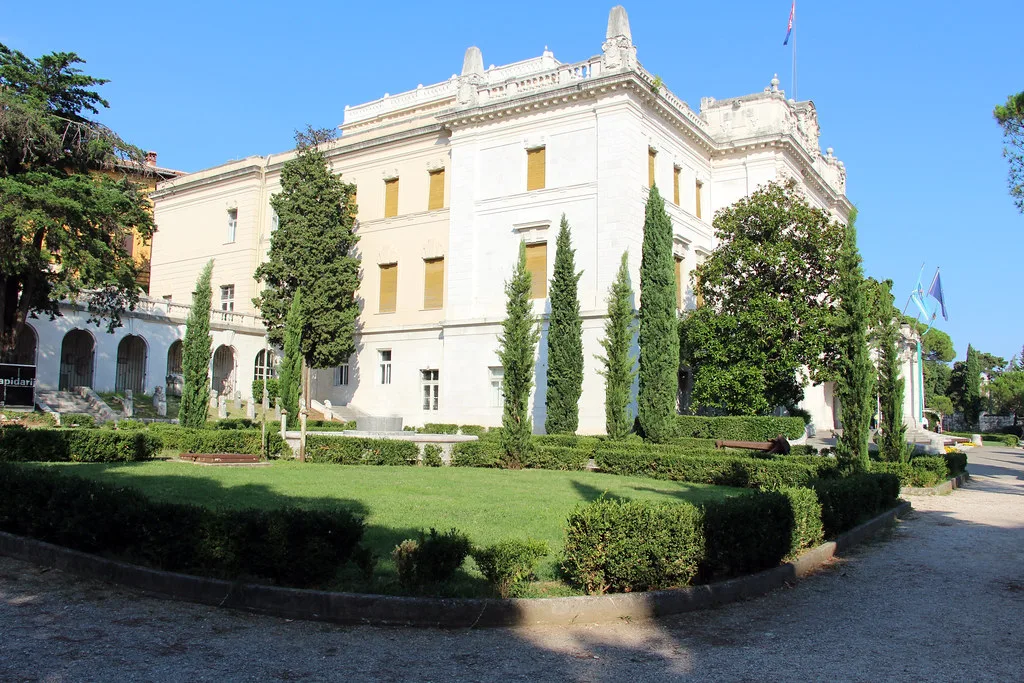
The Governor's Palace and the museum inside it
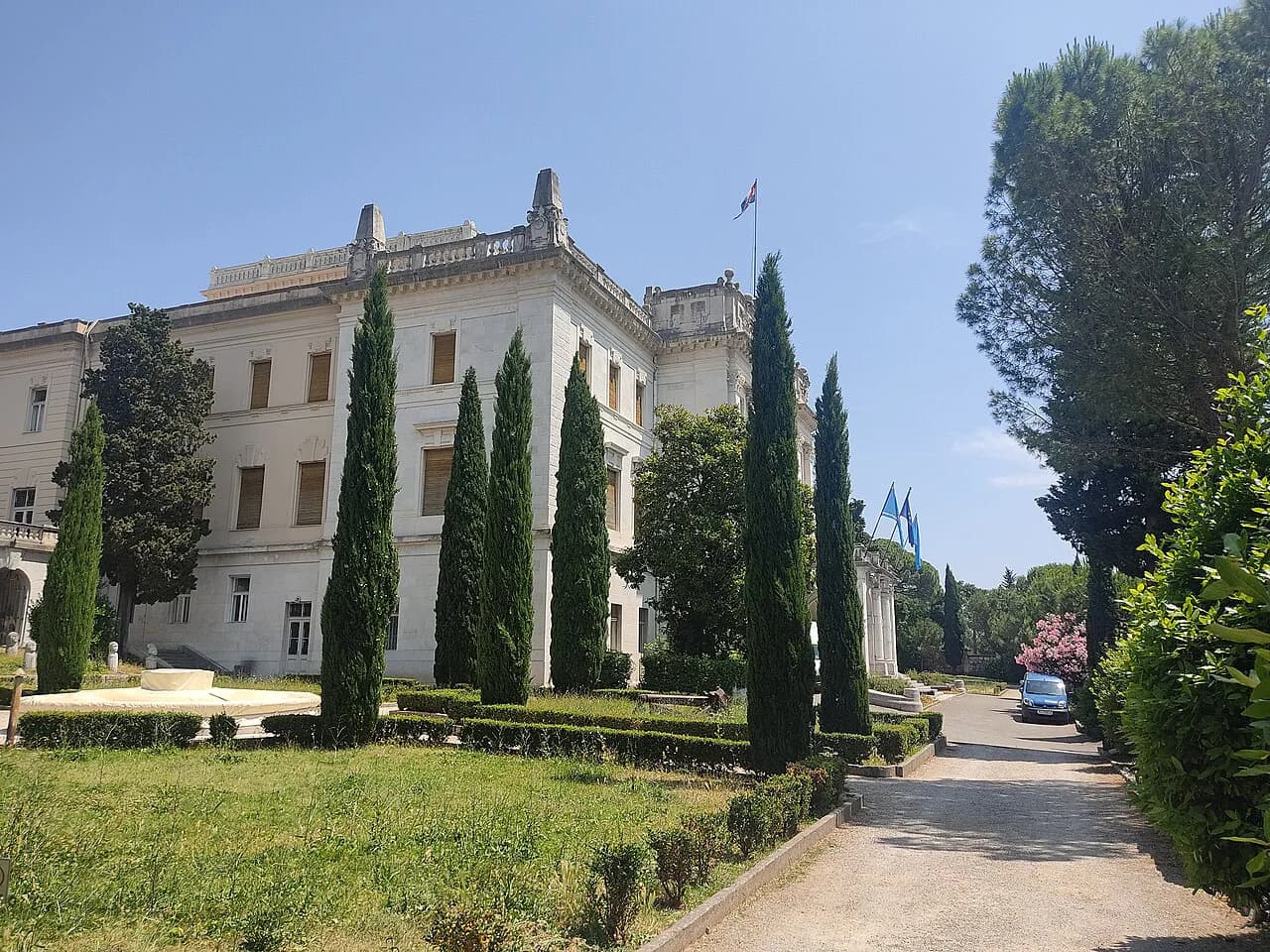
The Pomorski i povijesni muzej Hrvatskog primorja Rijeka, the Maritime and History Museum of the Croatian Littoral, is the institution that holds this story together, with around 60,000 objects in 47 collections built up over 128 years. Its history page traces the museum through several homes, including the Villa Margherita, before its material was consolidated in the former Governor's Palace during 1956; in February 1957 its collections were declared cultural monuments and placed under state protection.
Plan around a closure. The museum states that the Governor's Palace is shut to visitors for energy renovation and relocation, and directs visitors instead to the Muzejska zbirka Kastavštine in Kastav and the Memorijalni centar Lipa pamti in Lipa. Check the palace's reopening on the museum site before building a day around it.
You can still see the palace from outside; it is one of the city's most recognisable buildings, and the museum describes it as built at the end of the 19th century. An exhibition on the palace's history was announced for the State Archives in Rijeka at Park Nikole Hosta 2, opening on 8 October 2026. Treat the architecture as the visit and the museum as a separate, later decision.
The lighthouse that moved: Mlaka and the western waterfront
One small fact does a lot of work in explaining how completely the port remade the city's edge: the lighthouse originally placed at the head of the breakwater now stands in Mlaka, the western district. The City of Rijeka records the move in its account of the breakwater's history.
Mlaka is a residential neighbourhood rather than a sight, covering 83.52 hectares with 3,203 residents. There is no reason to build a day around it, but if you are heading west it is a useful reminder that Rijeka's landmarks have been moved, rebuilt and renamed as the harbour demanded.
Tragedy and memory: Lipa pamti and the wartime years
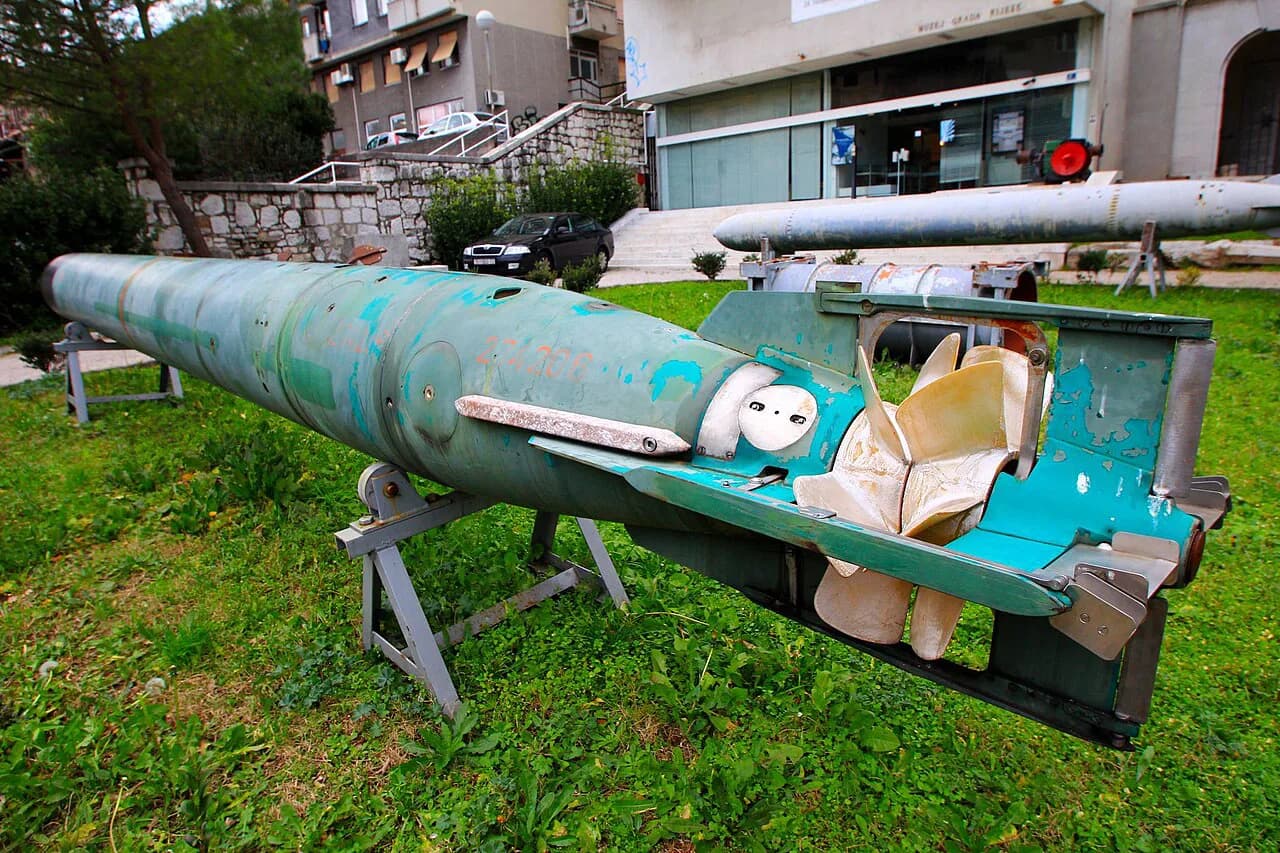
The breakwater's 20th-century history includes sabotage actions in the port during the Second World War and heavy damage during the German withdrawal in May 1945, followed by reconstruction of the harbour basin that ran until 1961. That period is not abstract in this region, and the museum network is where it is documented.
The Memorijalni centar Lipa pamti, in the village of Lipa inland from Rijeka, is the memorial centre run by the same museum and is currently one of the two open alternatives to the closed palace. Its permanent display covers the memorial, cultural-historical and ethnographic heritage of the area, including the suffering of Lipa and testimonies of witnesses.
This is the part of Rijeka's history that rewards planning rather than strolling: it needs a deliberate trip out of the city. Give it half a day if the subject matters to you, and skip it if your time is short and your interest is architectural.
Kastav and the littoral collections outside the city centre
The second open alternative is the Muzejska zbirka Kastavštine in Kastav, the hill town above Rijeka, which holds the museum's Kastav regional collection. Between Kastav and Lipa you can cover the ethnographic and wartime strands of the story while the palace is out of action; Trsat Castle, on the hill above the city, adds the fortress layer on the way out.
The museum also runs smaller dislocated collections, including an ethnographic collection on the island of Krk at Dobrinj, archaeological finds from Cickini and a collection of shipyard models from Kraljevica. These are for return visitors or for anyone basing themselves outside the city, and each needs its own journey.
What is closed now and what you can still see
The one firm closure to plan around is the Governor's Palace site of the Maritime and History Museum, shut for energy renovation and relocation. The outdoors still rewards a walk: the breakwater and its promenade, the old town streets, the river gorge and the historic quays with their surviving warehouses. The Lipa memorial centre runs on its own schedule and hosted an event on 17 October 2026, so check its opening for your dates.
Where the brief history above gives no price or opening time, it is because those details are institution-specific. Confirm them with the museum and with any site you plan to enter on the day you go, rather than trusting a figure quoted elsewhere.
How long Rijeka's history needs: a half-day route
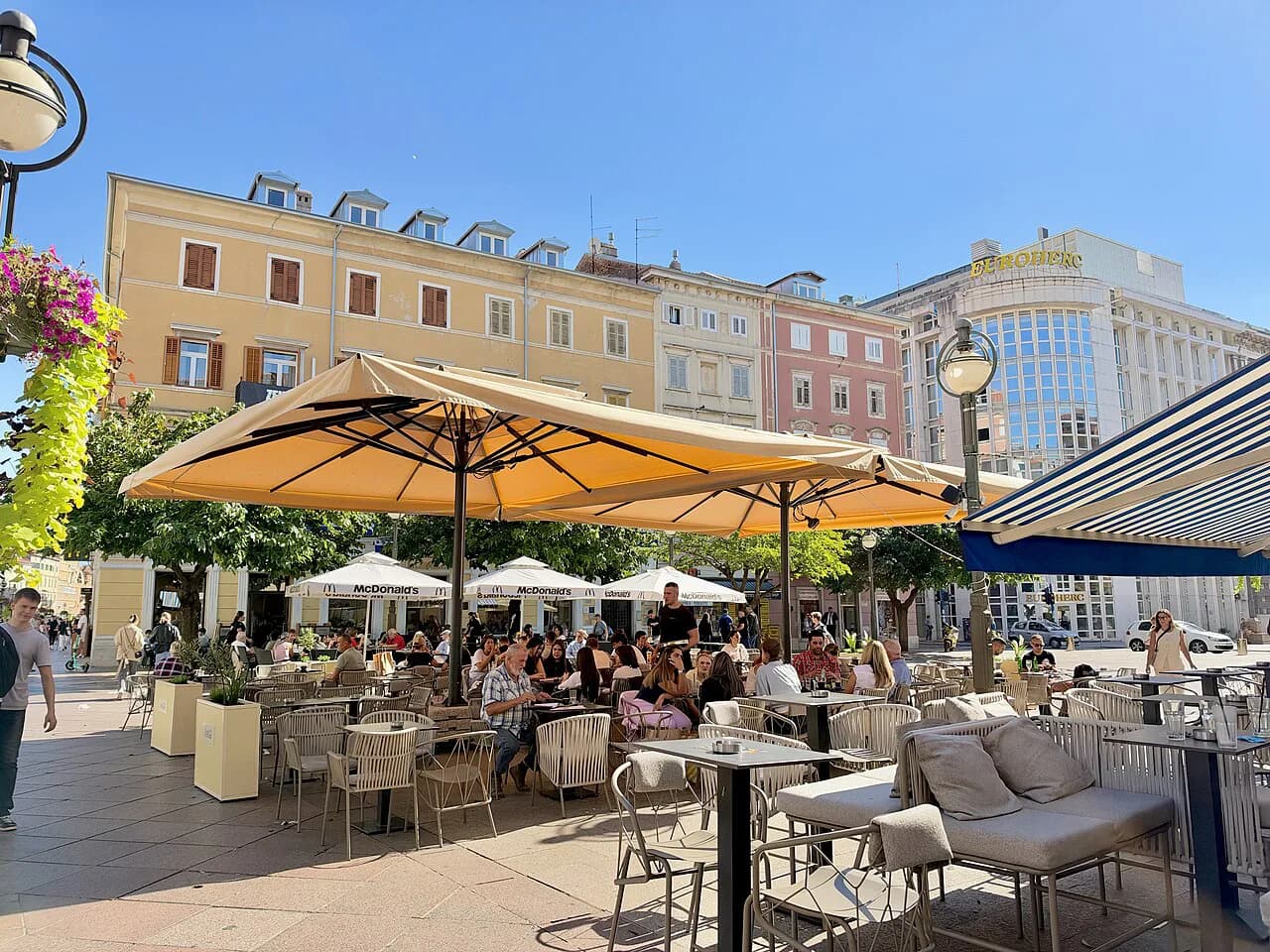
Start on the Rječina in the old town, where the medieval and early modern layers are closest together, then cross to the Korzo and the Governor's Palace exterior for the Habsburg century. Finish with the breakwater walk, saving it for the end of the day when the light is better and the terminal crowds have thinned.
That route fits comfortably into half a day at an unhurried pace, with the breakwater leg the longest single stretch. Add Kastav or Lipa as a second half-day if the museum collections interest you, and confirm each centre's opening before you go.
If you want the water rather than the stone, the harbour and the wider bay beyond it are the natural extension of the same story. The islands near Rijeka make an obvious next stop, and the harbour itself is best understood from the water side; Things to Do in Rijeka covers the wider waterfront and city options.
Is Rijeka's history worth rearranging your trip for?
Yes, if you like industrial and imperial history with real structures attached to it, and if you accept that the main museum building is shut. The breakwater alone justifies a morning, and the old town and river gorge fill the rest.
No, if you want a compact walled town where everything is open. In that case, use Rijeka as a transport base and put your sightseeing time elsewhere on the coast; Things to Do in Rijeka covers the wider waterfront and city options if you do stay.
Explore more Rijeka guides
Sources
Notes from the Croatian coast
Optional updates when our guides change.
You might also like
Continue reading
More guides you'll find useful