Rijeka Boat Tours: Island, Sunset and Private Trips Compared
Compare Rijeka boat tours: island day trips around Kvarner, short panoramic harbour cruises and private charters, with what to check before you book.
On this page
Book a Rijeka boat tour for one of three things: a short panoramic cruise around Kvarner Bay, an island day trip, or a private charter. Rijeka's choice is narrower than Split's or Hvar's, so it pays to know which of the three you want before you start comparing. This guide separates the products, explains which islands fit a day, and covers the booking checks that decide whether the trip runs at all.
What a boat tour from Rijeka actually gets you
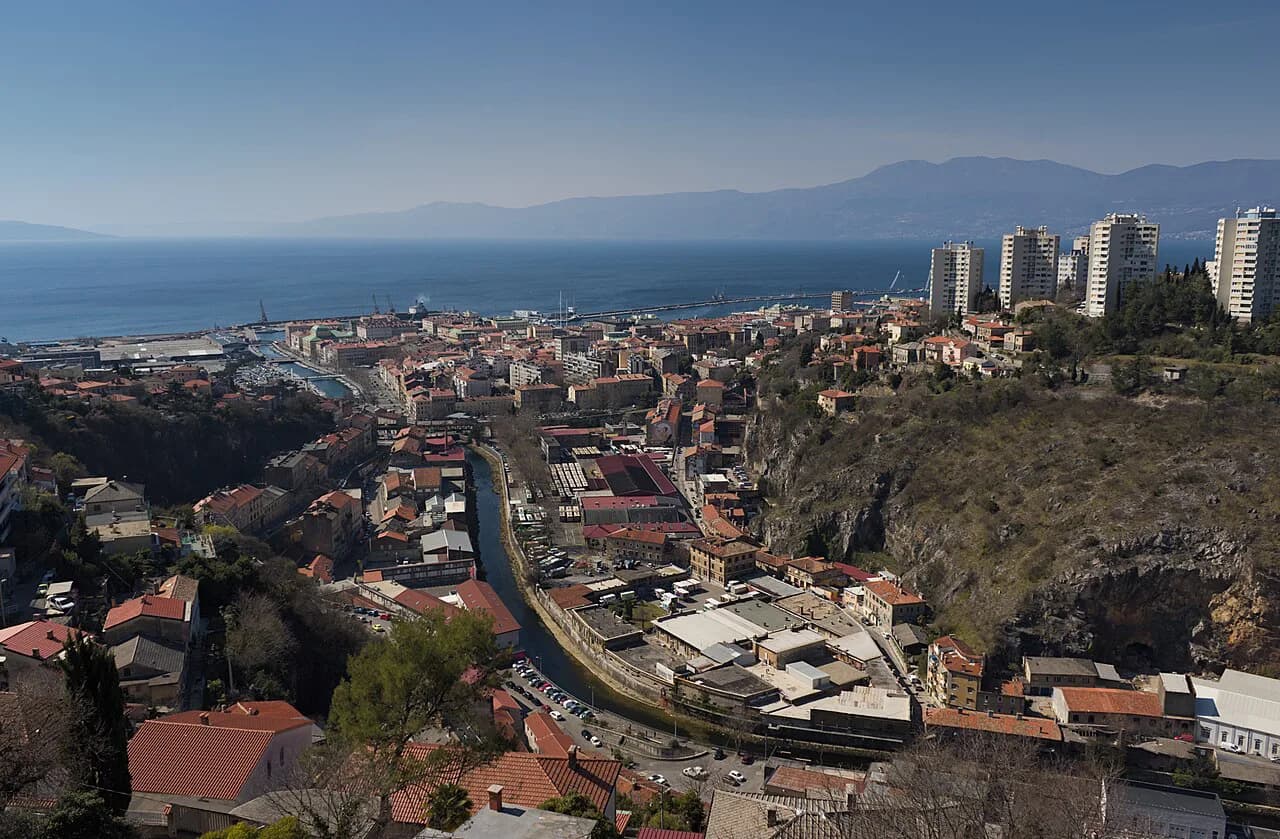
What you buy is time on the water and a view of the coast from the sea, not a substitute for seeing the old town on foot. Rijeka's waterfront landmarks read differently from offshore, and a short cruise is the cheapest way to test whether the sea state suits your group. Plan the boat day around your other things to do in Rijeka rather than the reverse, because sailing eats half a day or more.
The market here is genuinely thinner than in Dalmatia, so do not expect a pier lined with touts selling identical trips. Booking platforms list only a handful of options for the city, including a two-hour glass-boat panoramic sightseeing trip that circles the Kvarner islands. Treat that short format as the baseline for a harbour cruise and compare anything longer against it.
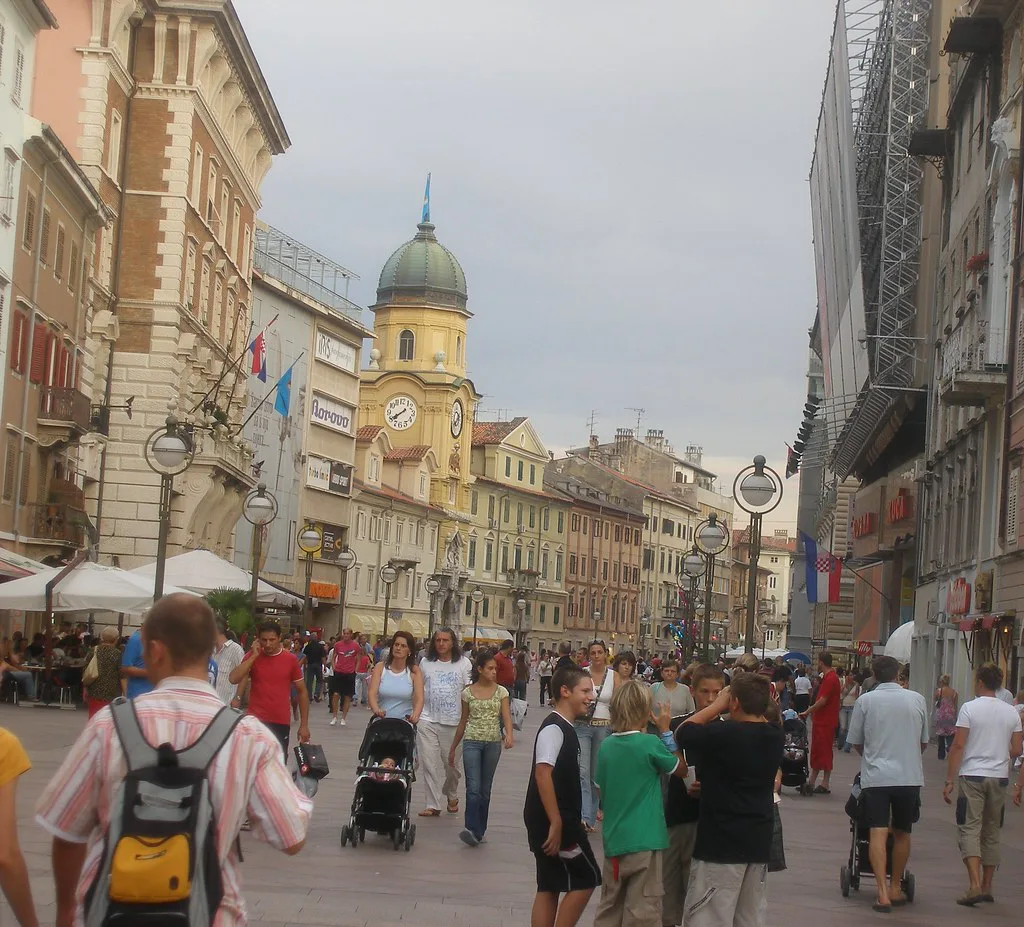
The main trip types: island day trips, panoramic harbour cruises, private charters
Panoramic harbour cruises are the shortest and simplest: you stay in the bay, see Rijeka and the nearby islands from the water, and you are back ashore without committing a whole day. They suit a first afternoon, mixed-age groups and anyone unsure about seasickness. The glass-boat format's fixed two hours is its main selling point.
Island day trips take you across to Krk, Cres or Lošinj and spend the bulk of the day ashore and in transit. These are the trips that justify an early start, and they are the ones most exposed to wind and swell. Check which island is promised rather than which is mentioned, because a route touching three islands in a day gives you little time on any of them.
Private charters put your group on its own boat with a skipper and let you set the pace and the stops. The total is higher than a shared seat, but the point is flexibility: you can change plans when the wind shifts. The city's hire listings include yacht rental and sailing providers alongside group tours.
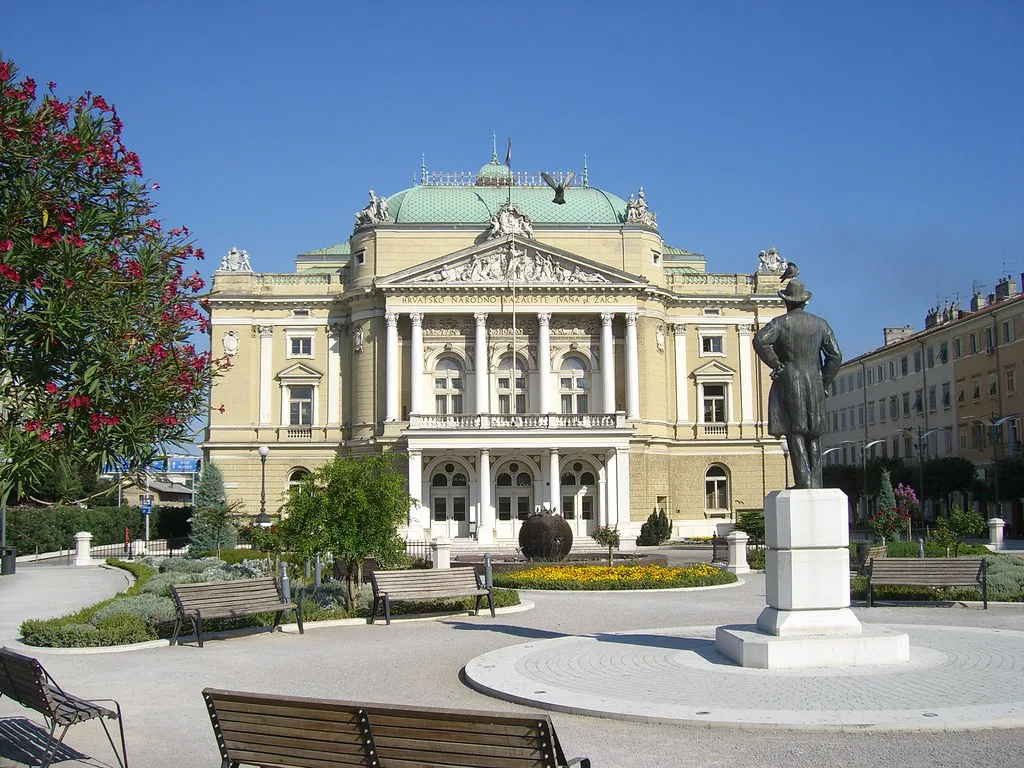
Where the boats go: Krk, Cres, Lošinj and the Kvarner islands
Krk is the closest of the large islands and the most realistic to reach and explore within a day from Rijeka. Cres and Lošinj lie further out along the Kvarner chain, so a day trip that includes either involves more time under way and less ashore. Trips from the city are commonly described around Krk, Cres and Lošinj, which tells you the realistic radius for a single day.
If your only goal is to stand on an island rather than to tour one, the scheduled car-ferry and catamaran services run by operators such as Jadrolinija do that without a tour. A boat tour makes more sense when you want commentary, a set route and a return without planning ferries yourself. Decide which you want before comparing prices, because they are not the same purchase.
How long each type takes and how that shapes your day
A harbour cruise of around two hours leaves the rest of the day free for the old town, a museum or the waterfront walk. An island day trip swallows the daylight hours, so do not pair it with a museum visit that closes in the afternoon. Private charters run as long as you agree with the skipper, which is the point of paying for one.
Build the day around the departure, not the return: a morning departure leaves you fresher for the crossing and gives a buffer if the boat is delayed. If you are in Rijeka for a single day, choose the short cruise and keep the island trip for a longer stay. Two nights in the city is roughly the threshold at which a full day at sea stops costing you the old town.
Private charter versus a shared group trip
Compare cost per person rather than headline price: a shared trip sells seats, while a charter sells the whole boat. For a couple, the shared trip usually wins; for a group of six or more, the charter's flexibility often justifies the total. Ask each operator what the total covers before you compare, including fuel, skipper and any island landing fees.
The other difference is itinerary control. A shared group trip runs a fixed route whatever the group wants, while a charter can shorten a crossing or shelter in a lee when conditions change. If anyone in your party is prone to seasickness, that flexibility is worth more than the saving.
What to compare before booking: departure point, group size, inclusions and sea conditions
Confirm where the boat leaves from before you pay, because Rijeka's port area is large and the passenger terminal sits on the breakwater rather than in the old town. Ask for the exact pier or berth and how long the walk from the Korzo takes. A trip departing from a different coastal town is not a Rijeka boat tour at all.
Then pin down group size, what is included and what happens if the weather turns. Food, drinks, snorkelling gear, towels and landing fees are the usual variables, and each changes the real cost. Ask in writing whether a cancellation is refunded or rescheduled, because that answer matters more than any brochure photo.
The bura wind and when trips get cancelled or rerouted
The bura is the cold, gusty north-easterly that funnels down over the Kvarner coast and can turn a calm morning into short, steep chop. Operators watch it closely, and a trip may be rerouted to a sheltered channel or cancelled outright when it strengthens. Summer is generally the calmest season for day trips, but a bora day can arrive in any month.
Treat a weather cancellation as normal rather than exceptional, and keep one flexible day in your plan if the boat trip matters to you. Book the sea day early in your stay so a postponement still has somewhere to go. If you leave the next morning, the short harbour cruise is the safer bet.
Prices and what a tour typically costs in euros
Croatia uses the euro, so every quote from a Rijeka operator should be in euros; treat any kuna figure as out of date. Rates shift with the season, fuel costs and group size, and operators quote per person or per boat depending on the format. Compare the total for your party rather than the headline figure, and confirm what it includes.
Get the price in writing before you commit, along with the cancellation terms and the departure point. Booking platforms show current rates for listed trips and let you compare formats side by side, which is the quickest way to see whether a charter or a shared seat suits your group.
Who the different trips suit: families, couples and short-stay visitors
Families with young children do best on the short panoramic cruise, where the time on board is bounded and the boat stays near the bay. Couples and groups of friends get more from a private charter, which allows a quiet cove and a schedule that suits you. Short-stay visitors should pick the harbour cruise and spend the rest of the day in the city.
Anyone with limited mobility should ask about boarding steps and access at the pier before booking, because small boats vary widely. If you want a museum in the same day, note that the Maritime and History Museum of the Croatian Littoral has announced its Governor's Palace site is closed to visitors during energy renovation and relocation, with its detached collections at Kastav and Lipa still available.
What to see from the water in Rijeka itself: the Molo longo breakwater
The Molo longo breakwater is Rijeka's own seafront landmark: 1,707 metres long, built between 1872 and 1888 to a design by the Hungarian architect Antal Hajnal, and now used as a passenger terminal and coastal promenade. Boats leaving the port pass along it, and walking it gives you the same view of the city from the water's edge. The lighthouse that once stood at its head now sits in the Mlaka district to the west.
The breakwater is a public promenade, so it is the sensible fallback if your trip is cancelled. The relocated lighthouse stands in Mlaka, a western city district of 83.52 hectares and some 3,203 residents. Pair the walk with a look at the Rijeka Attractions: 9 Visitor Guides for the rest of the city.
Which Rijeka boat trip should you book?
Book the short panoramic cruise if you have one day in Rijeka, and the island day trip or a private charter if you have two or more. Match the format to your group size: shared seats for a couple, a charter once you are six or more. Leave one flexible day for weather and confirm the departure berth, inclusions and cancellation terms before you pay.
Explore more Rijeka guides
Frequently Asked Questions
Do boat tours run from Rijeka in winter?
Summer is the core season for day trips and panoramic cruises around Kvarner, and winter options are thin because the market is small and the bura can close the water. If you travel outside summer, ask operators directly whether they are running and what route they would take. The Molo longo breakwater is walkable year-round as an alternative.
Can you get to Krk by boat without a tour?
Yes. Scheduled ferry and catamaran services, including those run by Jadrolinija, connect Rijeka with the Kvarner islands, so you can cross independently and explore on foot or by bus. A tour makes more sense if you want a fixed route with commentary and a guaranteed return.
How rough is the sea around Rijeka in summer?
Summer generally brings the calmest conditions of the year in Kvarner Bay, which is why most day trips run then. The bura can still arrive and build short, steep chop, and operators may reroute or cancel when it does. Treat any sea state as the conditions of the day rather than a guarantee.
Sources
Notes from the Croatian coast
Optional updates when our guides change.
You might also like
Continue reading
More guides you'll find useful