Beli on Cres: Hilltop Village, Roman Bridge and Griffon Vultures
Beli is a small hilltop village in northern Cres, reached by road from Cres town. Here's what to see and how the lanes and shore below fit together.
On this page
Beli is a small, tightly packed village on a hill above the sea in northern Cres, and an hour or two on foot covers its centre comfortably. It works best as a stop on a drive around the northern end of the island rather than a destination in its own right, with the lanes, the view and the vulture story as the draw. This guide covers where Beli sits, how to approach it, what to see on foot and how much time to give it.
The village belongs to the Tramuntana, the wooded northern part of Cres, and it sits on the eastern side of the island with the Kvarner bay below and open water beyond. That position explains most of what you do here: narrow stone lanes climbing through the houses, a belvedere outlook, and cliffs nearby that suit large soaring birds. Read it alongside a wider plan for the Kvarner islands if you are stringing several together.
What Beli is and where it sits on Cres
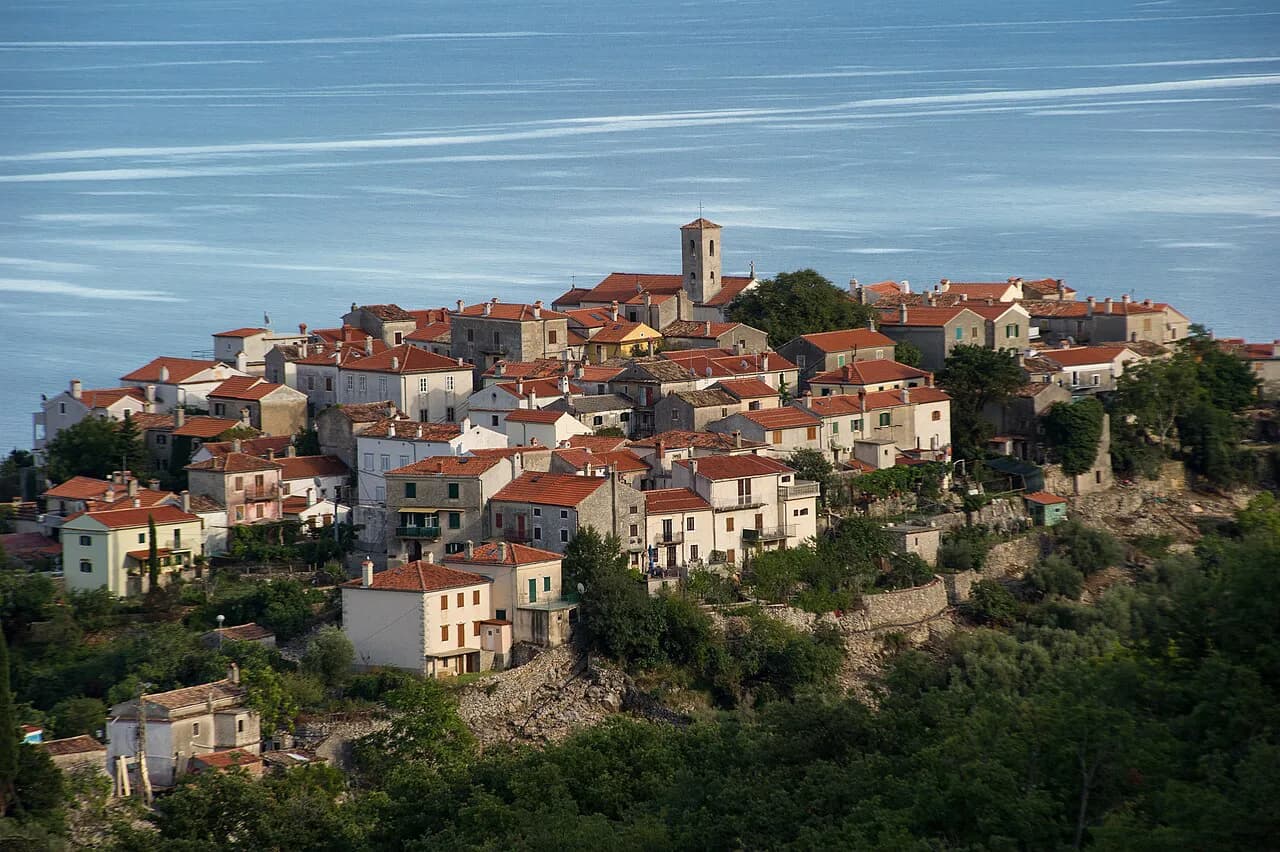
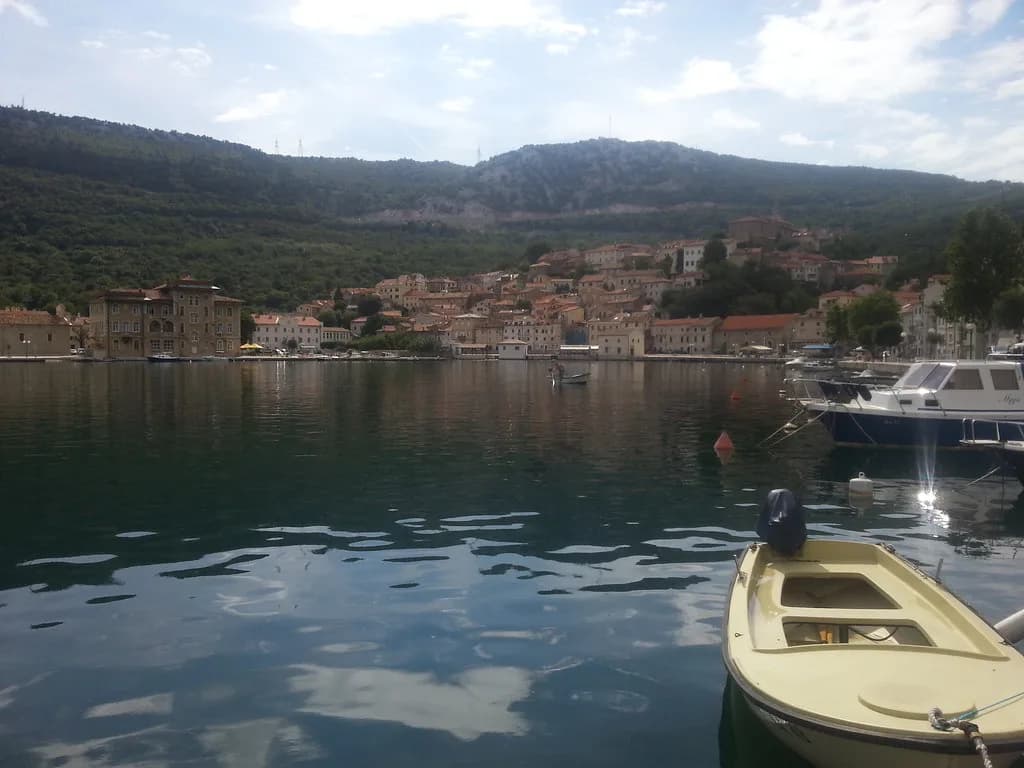
Beli is one of the oldest and historically most important of the settlements on Cres, built in an acropolis pattern on a hill in the north of the island on the site of a prehistoric fortified settlement. The houses are packed closely together in the typical manner of a small coastal village, so the streets between them are narrow and the whole centre is short. Its elevated position means the sea is below you rather than beside you.
On the map, Beli occupies the northern part of Cres, the Tramuntana region, with the island of Krk lying to the east and north-east and the Istrian peninsula to the west and north-west. Cres itself closes the northern end of the Kvarner bay, and the island was once joined to Lošinj by a thin isthmus before a channel was cut to separate them. That geography is why northern Cres feels quieter and more wooded than the southern coast, and why Beli reads as an outlook point as much as a village.
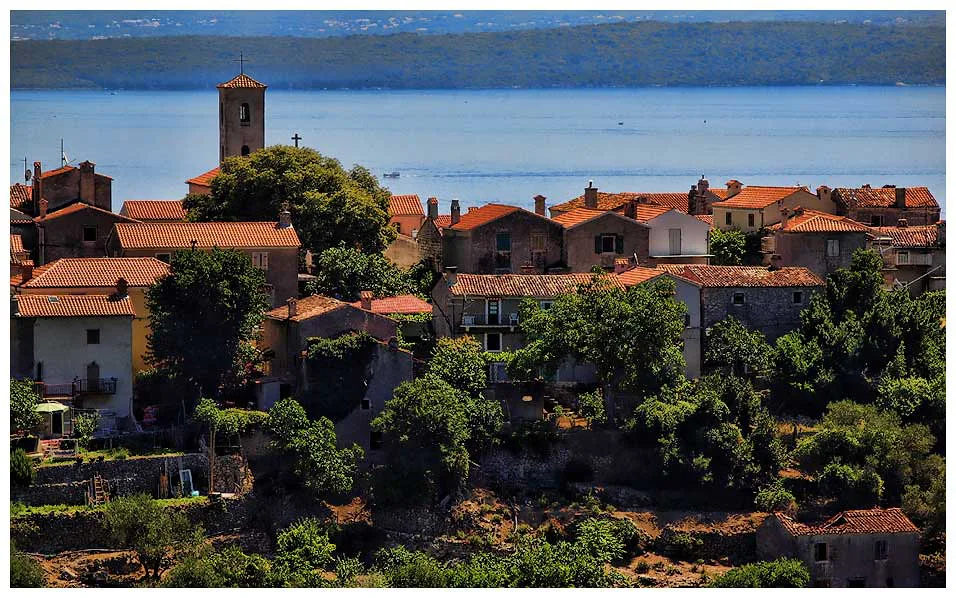
Getting there: the road from Cres town and the lanes inside
Beli is reached by road from Cres town, heading north through the Tramuntana; the drive is straightforward and the village appears on its hill before you reach it. There is no station and no ferry pier at Beli, so a car, a bicycle or a lift is how you arrive. Treat the road as the practical limit of your approach and park before entering the centre, because the lanes inside were built for people and small loads rather than cars.
Inside the village, expect steep stone steps and passages between the houses, with handrails rare and shade patchy in the middle of the day. Sturdy shoes matter more than distance here: the centre is small but the going is up and down, and the surface is worn stone. If you want the shore below Beli, that is a separate walk downhill from the village and back up again, so budget energy for the return rather than only the descent.
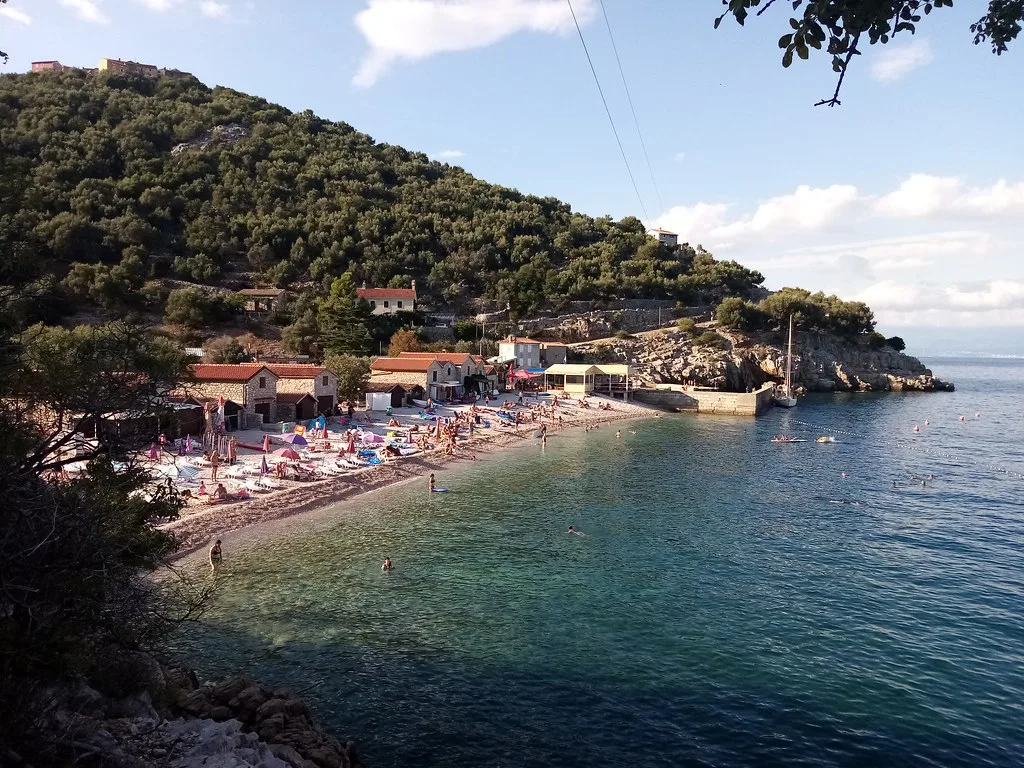
The old centre on foot: lanes, houses and the belvedere
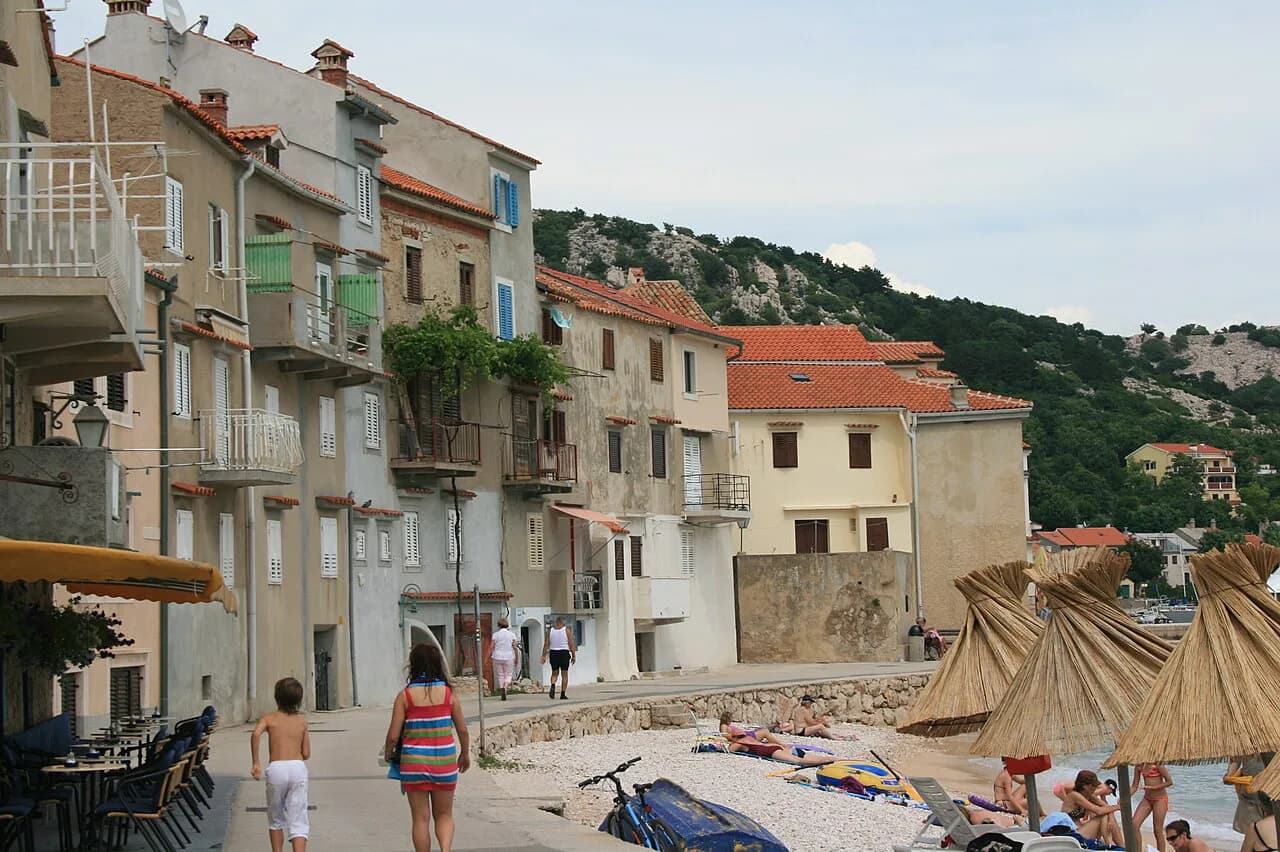
The pleasure of Beli is the fabric of the place rather than a checklist of monuments: stone lanes threading between tightly packed houses, small courtyards, and the sense of a village that grew into its hilltop rather than being laid out on it. Walk up through the centre rather than around it, because the lanes are the sight. Look for the oldest masonry in the walls and the way the roofs step down the slope.
The belvedere position is the reason to keep climbing: from the upper edge of the village you look over the Kvarner bay and across to the neighbouring islands, with Krk prominent to the east. This is the view to linger over. Save it for the end of your walk so the climb pays off in one go, and bring a layer for the wind, which can be brisk on an exposed northern hillside.
The Roman bridge near Beli
The Roman bridge near Beli is a fragment of the island's long history and one of the reasons travellers detour here. It is a modest structure rather than a set-piece ruin, so approach it as old masonry rather than as a monument with facilities around it. Combine it with the village walk and, if you have the energy, the descent towards the water, instead of treating it as a separate outing.
The bridge sits outside the built-up centre, so reach it on foot as part of a circuit that takes in the lanes and the descent towards the water. There is no visitor infrastructure to plan around, so the practical decisions are simply how far you walk and whether you have time for the climb back. Stone tracks on a slope get slippery after rain, so watch your footing if the weather has been wet.
Griffon vultures around Beli
The cliffs and open ground of northern Cres suit griffon vultures, the large soaring birds associated with the island's coast, and Beli's position below that open northern terrain makes the village a reasonable place to look up. Treat a sighting as luck rather than a promise: these are wild birds working the air, not an exhibit. A pair of binoculars and patience over the bay turn a village stop into something more interesting.
The best approach is to scan the sky from the belvedere and the higher lanes, where the view opens across the water and over the ridge, and to watch for birds riding thermals rather than flapping. Early and late in the day tend to be calmer and clearer, and the bura can clear the air dramatically even when it makes standing still uncomfortable. If vultures are the main reason for your visit, pair Beli with the wider island rather than relying on a single viewpoint.
How long Beli needs
An hour or two covers the village centre on foot, including the lanes, the belvedere and a look at the houses; that is enough to feel you have seen Beli. Add the Roman bridge and the walk down towards the shore and the visit stretches to a half day, most of it spent on the return climb. This is a small village, and pretending otherwise leads to disappointment.
The sensible split is to decide before you park whether you are doing the centre only or the centre plus the descent. Centre-only suits a driving day with several stops in northern Cres; the half-day version suits travellers who want the shore and the bridge and do not mind retracing their steps uphill. The village is small, so carry what you need for the day and do not count on facilities at the top.
When to go: crowds, shoulder months and the bura
Summer brings the most reliable weather and the most company, and Beli's narrow lanes feel crowded quickly when visitors arrive together, particularly in the middle of the day. Late spring and early autumn give you the same stone lanes and views with fewer people and softer light, at the cost of shorter evenings and more changeable weather. Because the village is small, timing your arrival early or late in the day makes a bigger difference here than in a large town.
The bura, the cold north-easterly wind that characterises this part of the Adriatic, hits exposed northern Cres hardest, and Beli sits on exactly that kind of ground. On a bura day the belvedere is bracing and the sea below looks dramatic, but the climb and the shore walk become uncomfortable, and loose items go flying. Check the forecast before committing to the shore descent and keep the village-only version as your fallback.
Practical points: no station, limited facilities, driving from Cres town
There is no station at Beli and no ferry terminal, so the village is a road stop within a northern Cres itinerary rather than a place you arrive at by public transport. Shelter from rain or heat is limited, which makes a short visit the realistic plan. Fuel up and stock up in a larger settlement before heading north.
Driving from Cres town is the usual approach, and the village works well as one leg of a loop that takes in the northern end of the island. If you are planning the island as a whole, see the Cres island guide for how the south and the ferry ports fit together, and the Kvarner islands overview for placing Cres among Krk, Lošinj and Rab. For contrast on the other side of the water, Krk Island has its own old towns and viewpoints.
Is Beli worth the detour?
Yes, if you are already driving northern Cres and want an hour or two of stone lanes, a wide view over the Kvarner bay and a chance of seeing griffon vultures. No, if you are looking for a full day out with facilities, a beach set up for visitors and a list of sights: the village is small and its pleasures are quiet. The Roman bridge and the shore walk are what tip a short stop into a half day.
Build Beli into a northern Cres drive rather than making it the destination, arrive early or late to avoid the middle-of-day crunch in the lanes, and keep an eye on the bura forecast if you plan the descent to the shore. The Kvarner Islands guide will help you place it among the other islands on the same trip.
Explore more Kvarner guides
Sources
Notes from the Croatian coast
Optional updates when our guides change.
You might also like
Continue reading
More guides you'll find useful