Osor, Croatia: Kvarner Old Town Guide
Osor is a tiny historic town where Cres and Lošinj almost meet. Here is what to see in its old centre, how long it needs and how it fits a Kvarner coast trip.
On this page
Osor is worth a stop of a few hours, not a day of its own. The town sits on the narrow canal that separates Cres from Lošinj, so it works as a break in the road between the two islands rather than a destination in itself. Its old centre is small enough to walk in an hour.
This guide covers what Osor is, how the road and swing bridge shape arrival, which parts of the old centre to see, and how the town fits into a wider Kvarner islands trip. Transport, opening hours and prices change by season, so check current details with the Mali Lošinj Tourist Board before you travel.
What Osor is, and where it sits on the Cres–Lošinj canal
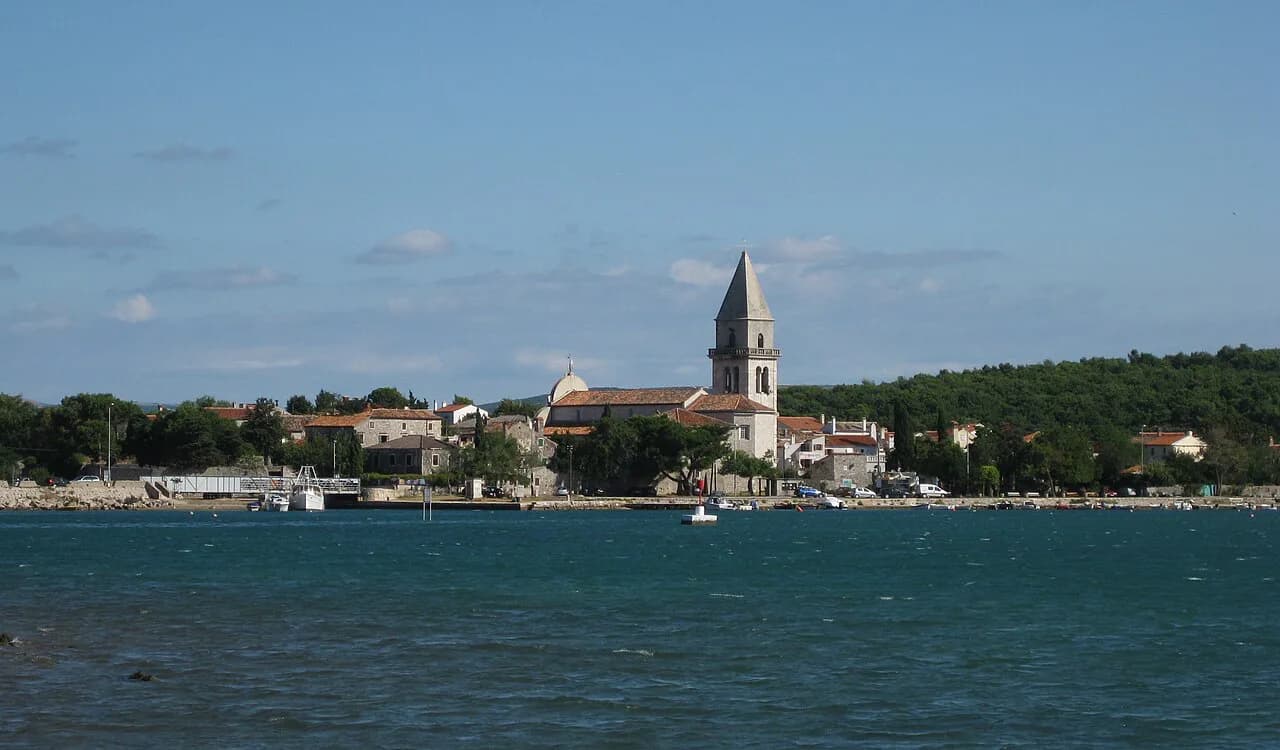
Osor is a small historic settlement at the point where Cres and Lošinj come closest, on the canal that boats pass through. That position explains its long history as a stopping place, and it still functions as a hinge between the two islands. The old town is compact: lanes, walls and churches packed into a short walk.
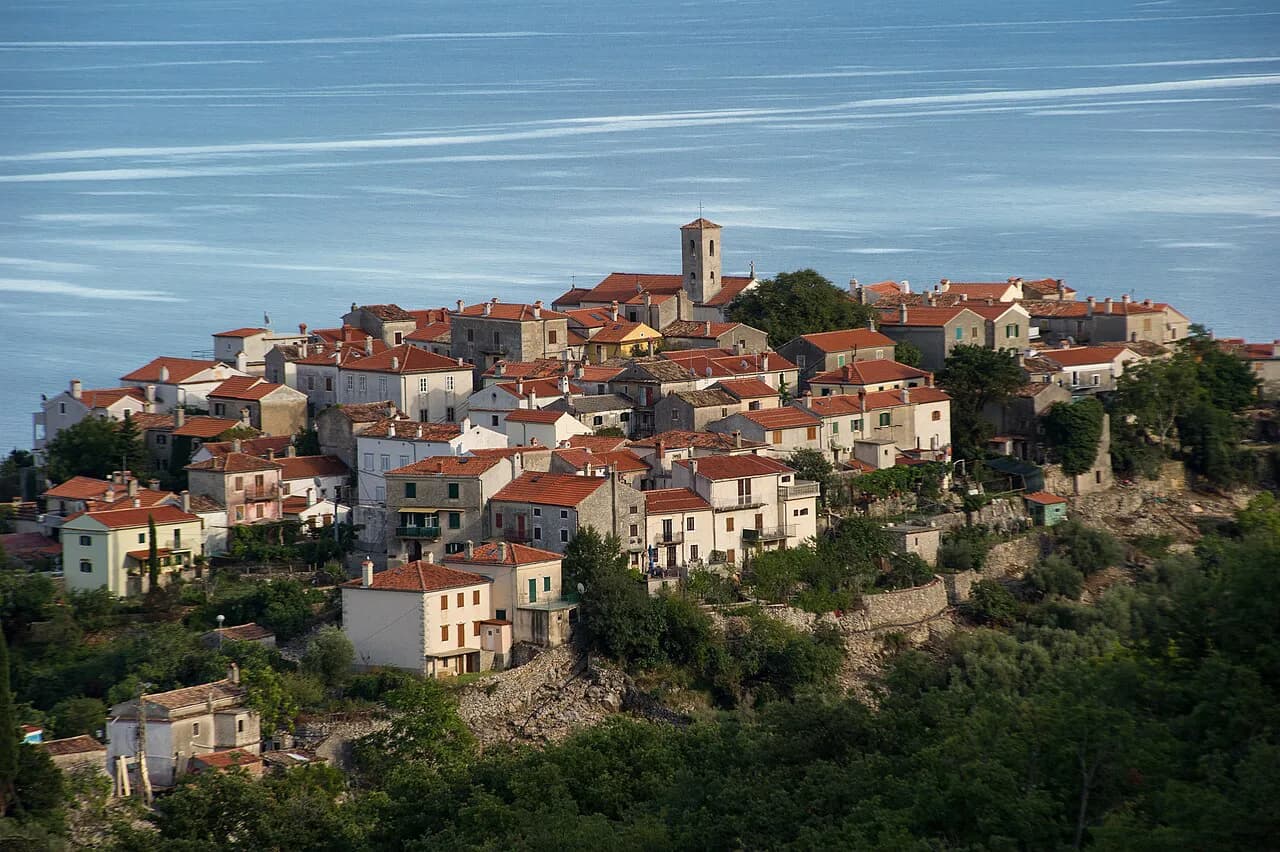
The Kvarner Gulf more broadly is an archipelago of ochre-grey islands with fishing villages and Venetian-era heritage, and Osor belongs to that world rather than to the big resort strip. Cres and Lošinj sit in the outer group of islands, reached by ferry rather than bridge, which keeps their rhythm slower than Krk's. That context helps you decide how much time to give Osor within a wider Kvarner islands itinerary.
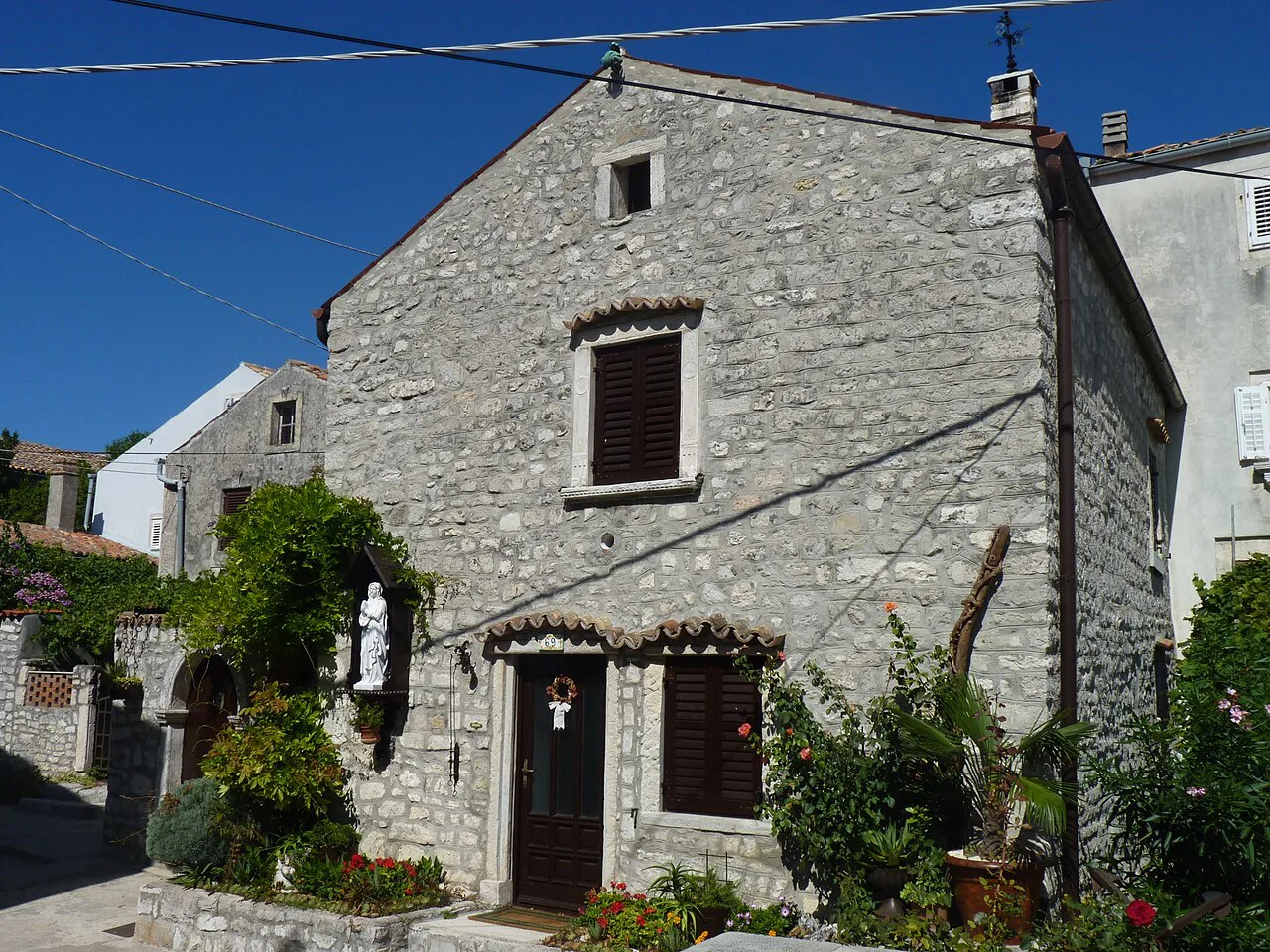
How to reach Osor: the road from Cres and Mali Lošinj, and the swing bridge
By road, Osor sits on the route that links the town of Cres with Mali Lošinj. The approach includes a swing bridge over the canal, which opens to let boats through; that is the practical constraint on arrival and departure, because traffic waits while the bridge is open. Build some slack into your timing if you are catching a ferry.
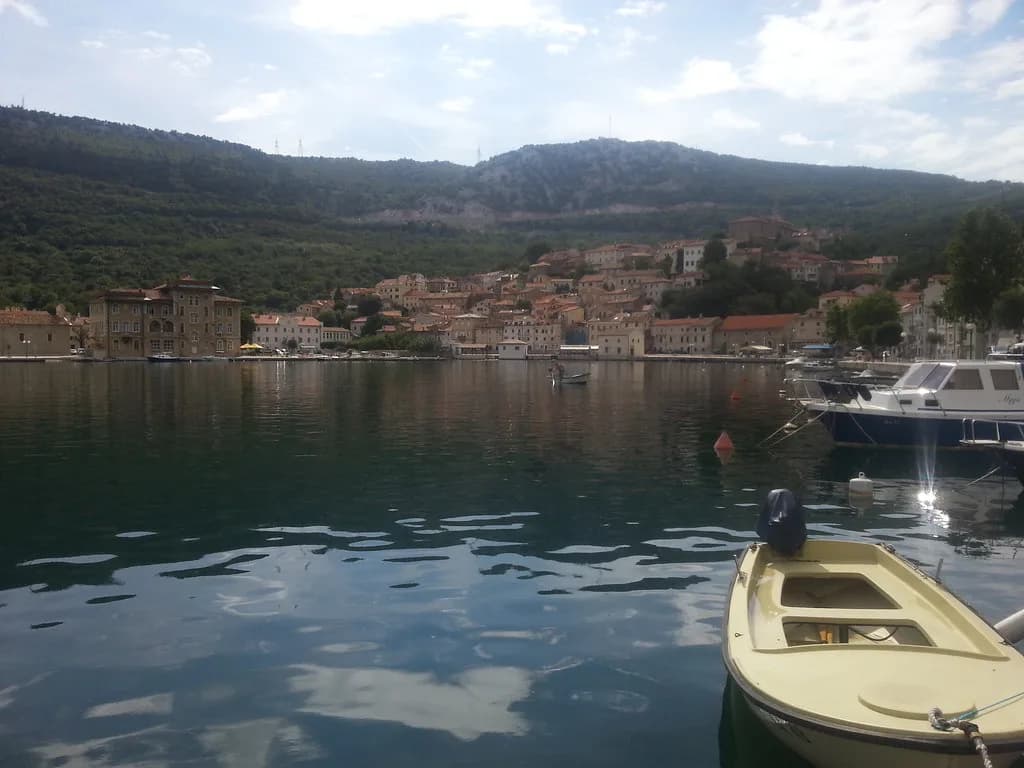
For boats, Osor has a small town pier listed with 60 berths for boats up to 20 m and a maximum draft of 2.5 m, plus water and power, so the canal is not only a road crossing but a harbour in its own right. If you are arriving by sea, check berth availability and depth with the harbour authority before you plan around it. If you are coming by car, the drive from Mali Lošinj is short, which makes Osor an easy half-day out from that base.
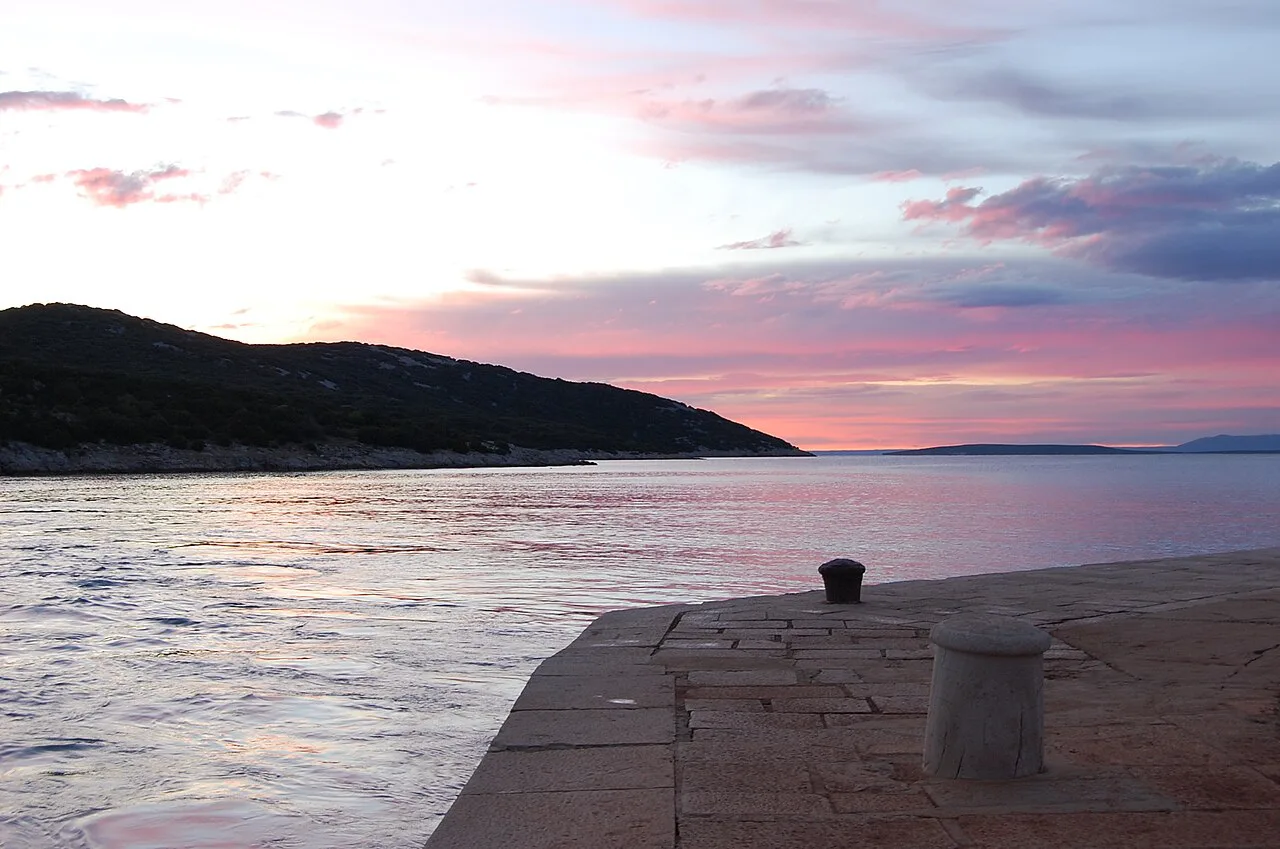
The old centre: walls, gates and lanes to walk
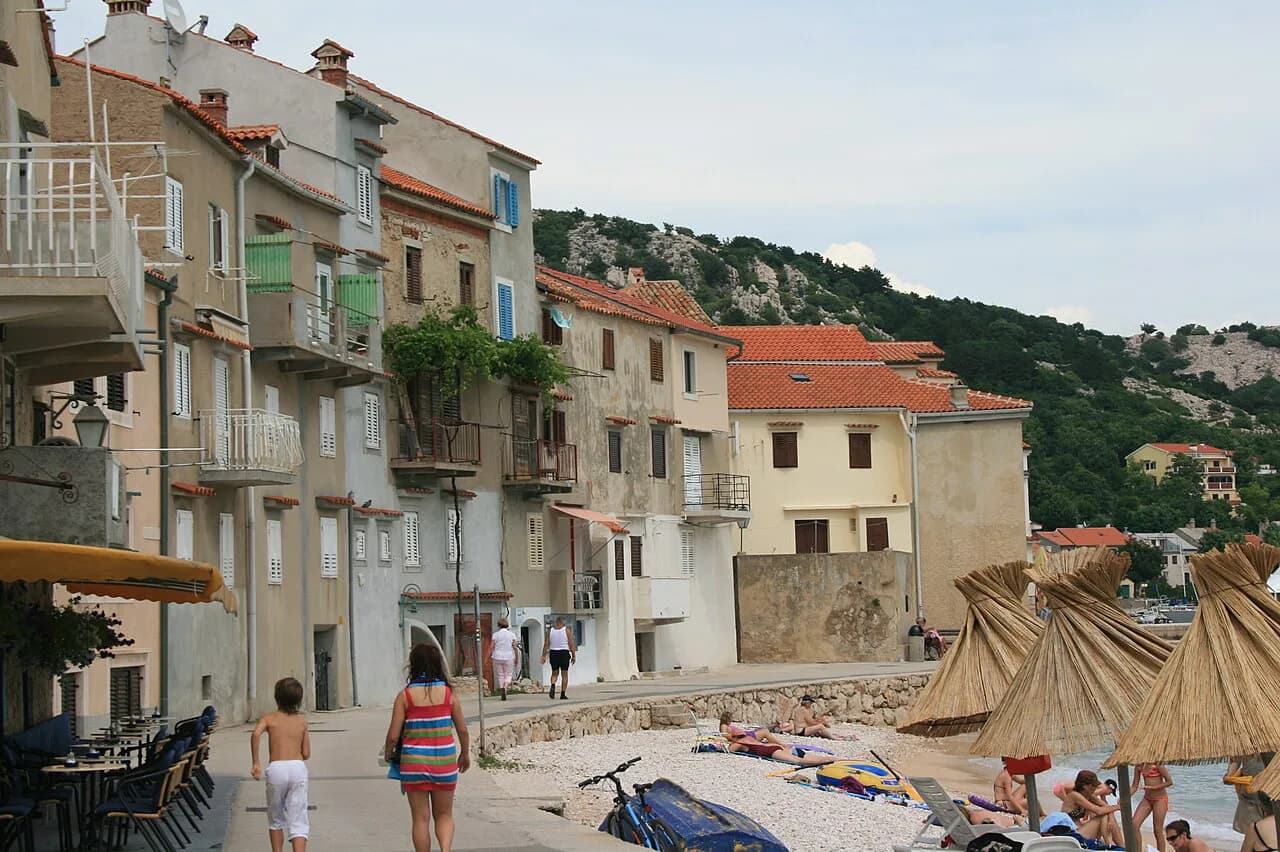
Osor's old centre is a tight bundle of stone lanes, defensive walls and gates, small enough to cover on foot in a short circuit. Walk it slowly rather than trying to tick off sights: the pleasure is in the shaded alleys and the sudden views over the canal. A simple loop through the centre takes under an hour at an easy pace.
The town's history runs deep, with layers from Roman and Venetian rule visible in the fabric of the buildings. That is typical of the Kvarner islands, where centuries of Adriatic trade and conflict left their mark on even small settlements. Reading the place as a palimpsest rather than a checklist makes a short visit more rewarding.
Osor's cathedral and church heritage
The cathedral is the anchor of Osor's church heritage, a substantial building for a town of this size. Several smaller churches are scattered through the lanes, and their exteriors are part of the streetscape. Check local opening times before travelling if the interior matters to you.
Church architecture is one of the threads that ties the Kvarner islands together, with the historic church buildings of Cres town and the neighbouring islands part of the same story. If you are following that thread, plan Osor as one chapter rather than the whole story.
The open-air sculpture setting in Osor
Osor's open-air sculpture pieces are set into the town's outdoor spaces, and they are the reason many visitors linger longer than they expected. The works sit among the lanes and squares, so you encounter them as you walk rather than in a single gallery. Allow extra time on top of the old-centre circuit if sculpture is why you came.
Because the pieces sit in public space, they form a self-guided walk through the town rather than a ticketed display. If a particular work matters to you, ask at the tourist office in Mali Lošinj before making the drive, since individual pieces may be affected by maintenance. Otherwise, treat the sculptures as part of the walk.
The waterfront and town pier
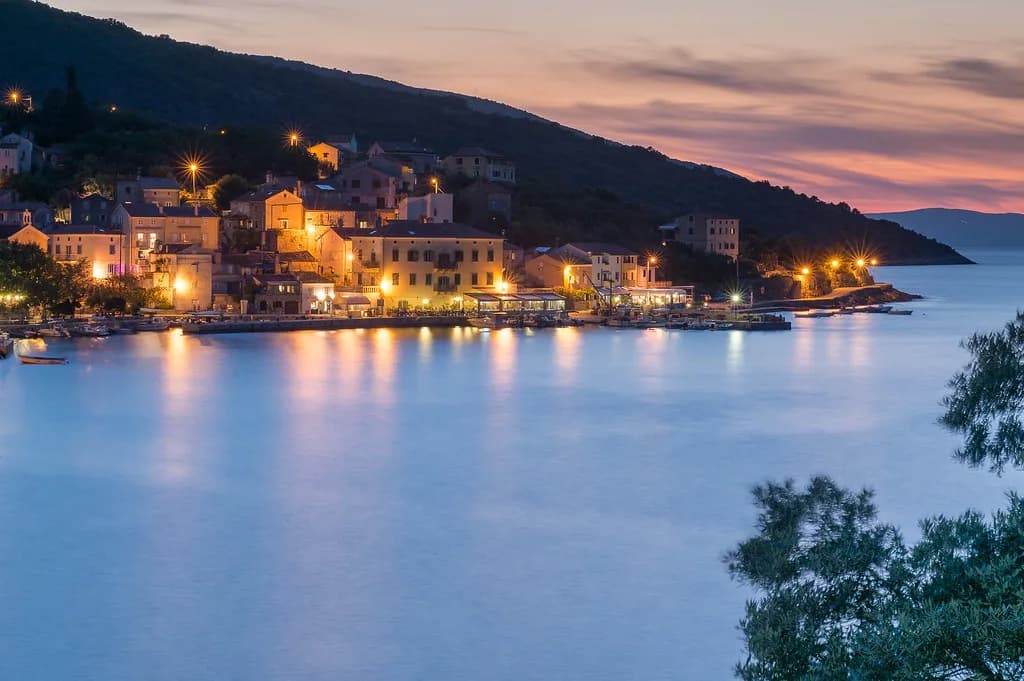
Osor's waterfront edge along the canal is where the town's practical life gathers: the pier, the road, and the views across to the other island. It is a natural place to start or end a walk, and a good spot to pause before driving on. The harbour is small, so do not expect a big marina scene.
Facilities in town are limited, so plan on bringing what you need for a short visit and treating Osor as a stop rather than a service centre. Cafés and shops may close outside the season, so check on arrival rather than relying on a specific venue. For a fuller choice of services, base yourself in Mali Lošinj or the town of Cres.
How long Osor needs, and whether to stop or stay
Two to three hours covers the old centre, the cathedral and the sculpture walk at a comfortable pace. A brisk hour gets you the lanes and the waterfront, but you will miss the slower pleasure of the place. Staying overnight makes sense only if you want a very quiet base; most travellers treat Osor as a stop between Cres and Lošinj.
If your trip is centred on Lošinj, Osor is an easy half-day out, and the drive back to Mali Lošinj is short. If you are moving between the two islands, it is a natural break in the journey rather than a detour.
When to go: season, crowds and the bura wind
Late May to June and the second half of September are the sweet spots on the Kvarner islands: warm weather, fewer people, and sea temperatures that hold into early autumn. July and August bring the crowds and the busiest ferry days, so arrive early if you are crossing with a car. The bura, the fierce northeasterly wind, can blow at any time of year and is worth checking before a day on the water.
Osor itself is small enough that crowds are rarely a problem, but the canal road and bridge can back up on busy summer days. Outside high season, some places in town may be closed, so check ahead if you are counting on a specific stop.
How Osor fits into a Kvarner islands trip with Cres and Lošinj
Osor works best as a link in a route that takes in Cres town, the canal and Mali Lošinj, with Krk as the easy first island because it is connected to the mainland by bridge. If you are building a Kvarner itinerary, put Osor between the two larger islands rather than at the start or end. The Kvarner Islands guide covers the wider archipelago if you want to compare bases and ferry routes.
From Osor you can continue south to Lošinj for a longer stay, or head back north to Cres and onward to the mainland ferries. Krk Island, with its bridge and its own historic towns, makes a sensible contrast at the other end of the trip.
Is Osor worth the stop?
Yes, if you are already travelling between Cres and Lošinj. Osor gives you a compact old centre, a cathedral and outdoor sculpture within two to three hours, with the canal and the swing bridge as the practical backdrop. It is not a reason to build a trip around, but it is a good reason to break the drive.
Check bridge opening practice, ferry times and opening hours locally before you go, and treat Osor as one stop in a wider Kvarner islands route.
Explore more Kvarner guides
Frequently Asked Questions
Is Osor worth visiting?
Osor is worth a stop of a few hours if you are travelling between Cres and Lošinj. Its old centre, cathedral and outdoor sculpture fit into a half-day, and the canal setting gives it a distinct character. It is not a destination in its own right for most travellers.
How do you get to Osor?
By road from the town of Cres or from Mali Lošinj, crossing the swing bridge over the canal that separates the two islands. The bridge opens for boats, so allow extra time if you are catching a ferry. Boats can also use the small town pier, subject to harbour authority arrangements.
How long should you spend in Osor?
Two to three hours covers the old centre, the cathedral and the sculpture walk. A quick visit of an hour is possible if you only want the lanes and the waterfront, but you will miss the slower pleasure of the place.
Sources
Notes from the Croatian coast
Optional updates when our guides change.
You might also like
Continue reading
More guides you'll find useful