Krk Town Guide: What to See in Kvarner's Old Town
Krk Town packs a walled medieval centre, a Frankopan castle and a cathedral into one compact old town on Kvarner Bay. Here is what to see and how long it takes.
On this page
Krk Town needs about half a day for the old centre, and a full day only if you add the galleries and a long lunch. It is the main town on the island of the same name, set on the west coast in Kvarner Bay.
This guide covers the old town layout, the Frankopan Castle, the cathedral and a short walking order that strings them together. Beaches, restaurants and nightlife get no more than a passing mention, because the point here is the walled centre itself.
What Krk Town is and where it sits on the island
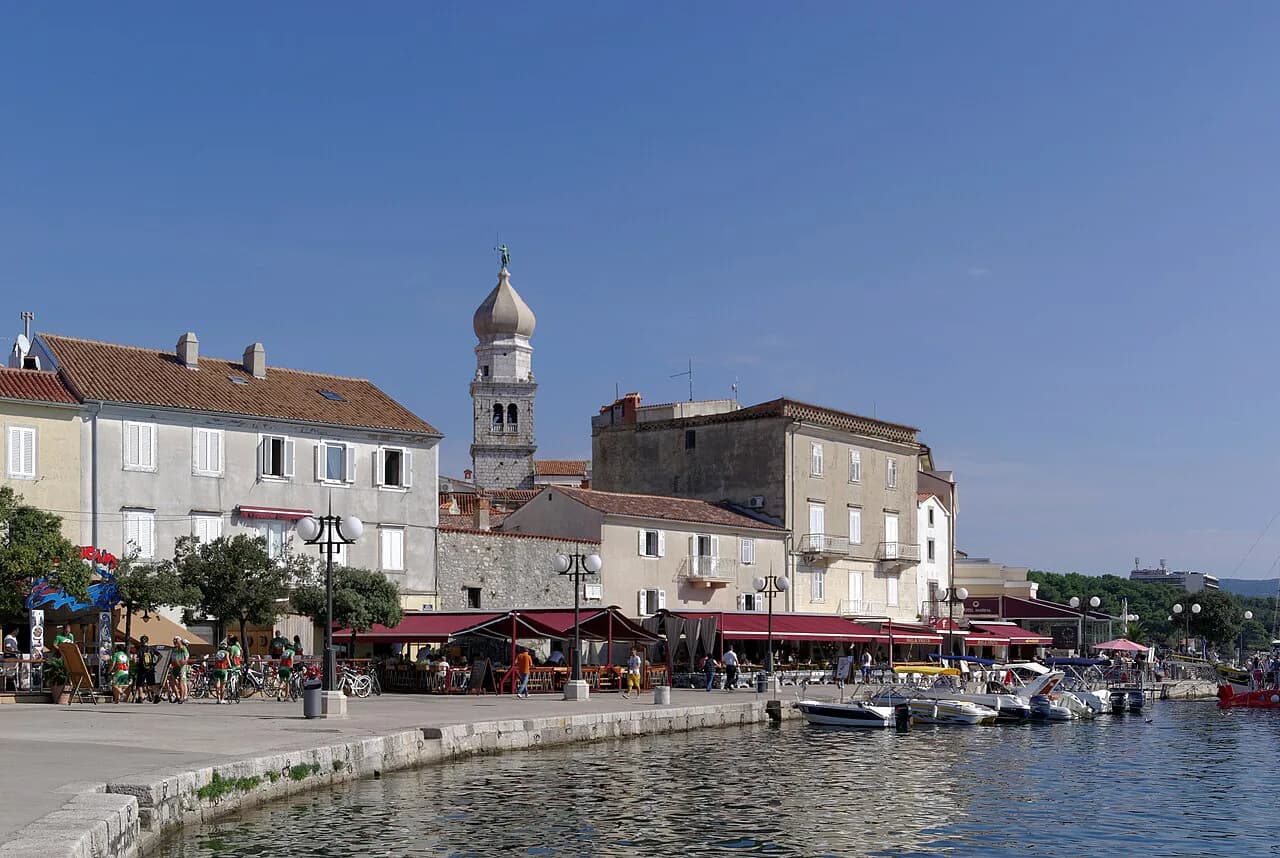
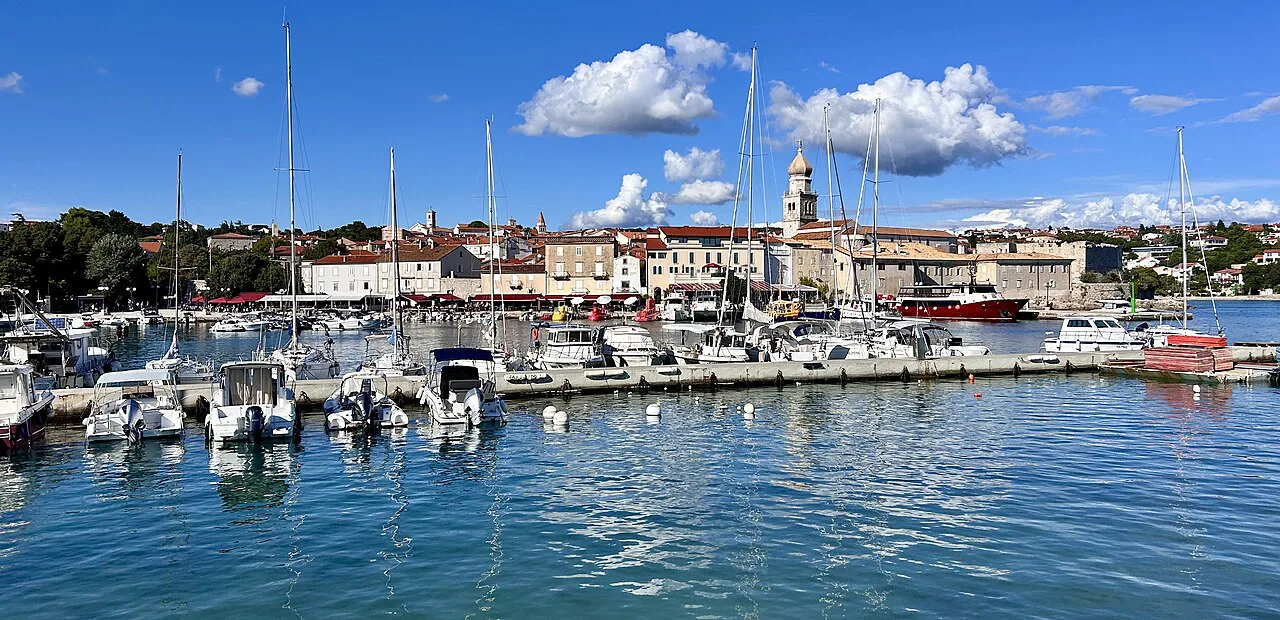
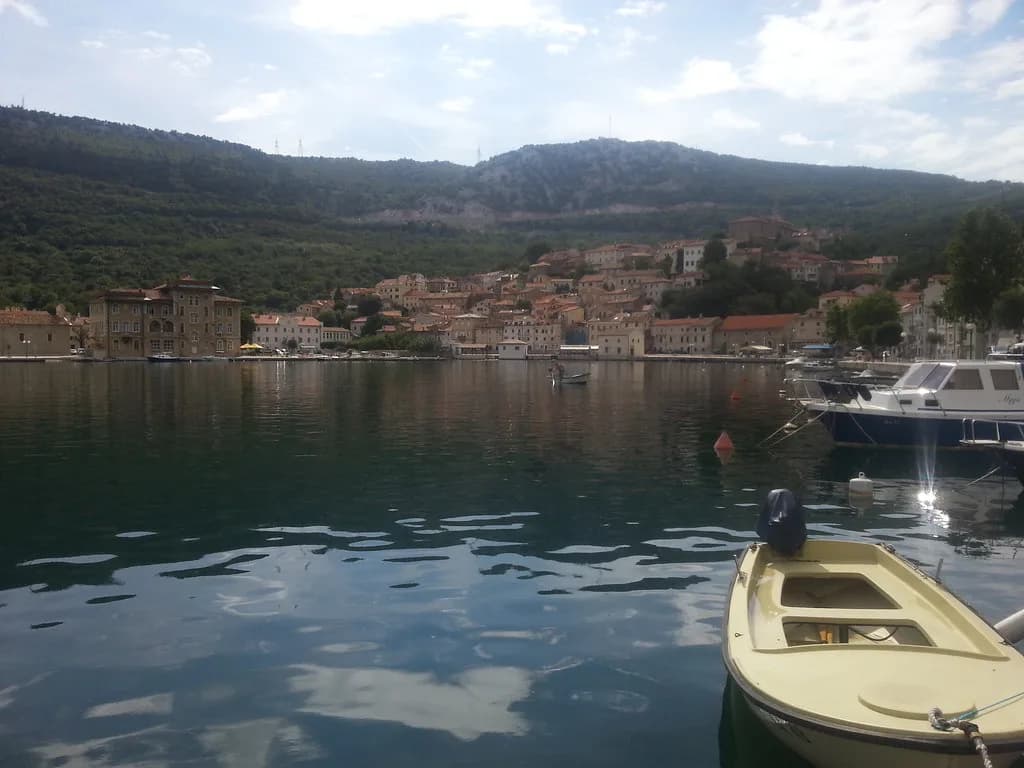
Krk is Croatia's largest island, and its main town of the same name occupies a bay on the west coast, more or less in the centre of the island. The medieval core sits close to the water, so you arrive from the road or the harbour and are inside the walls within a couple of minutes.
Because the town is central, it works as a base for the whole island rather than a single-stop detour. Treat it as your first orientation stop, then branch out to the rest of the island on another day. The wider island picture, including The Kvarner Islands around it, is covered in the island guide if you want to plan that side of the trip.
How the old town is laid out: walls and lanes inside
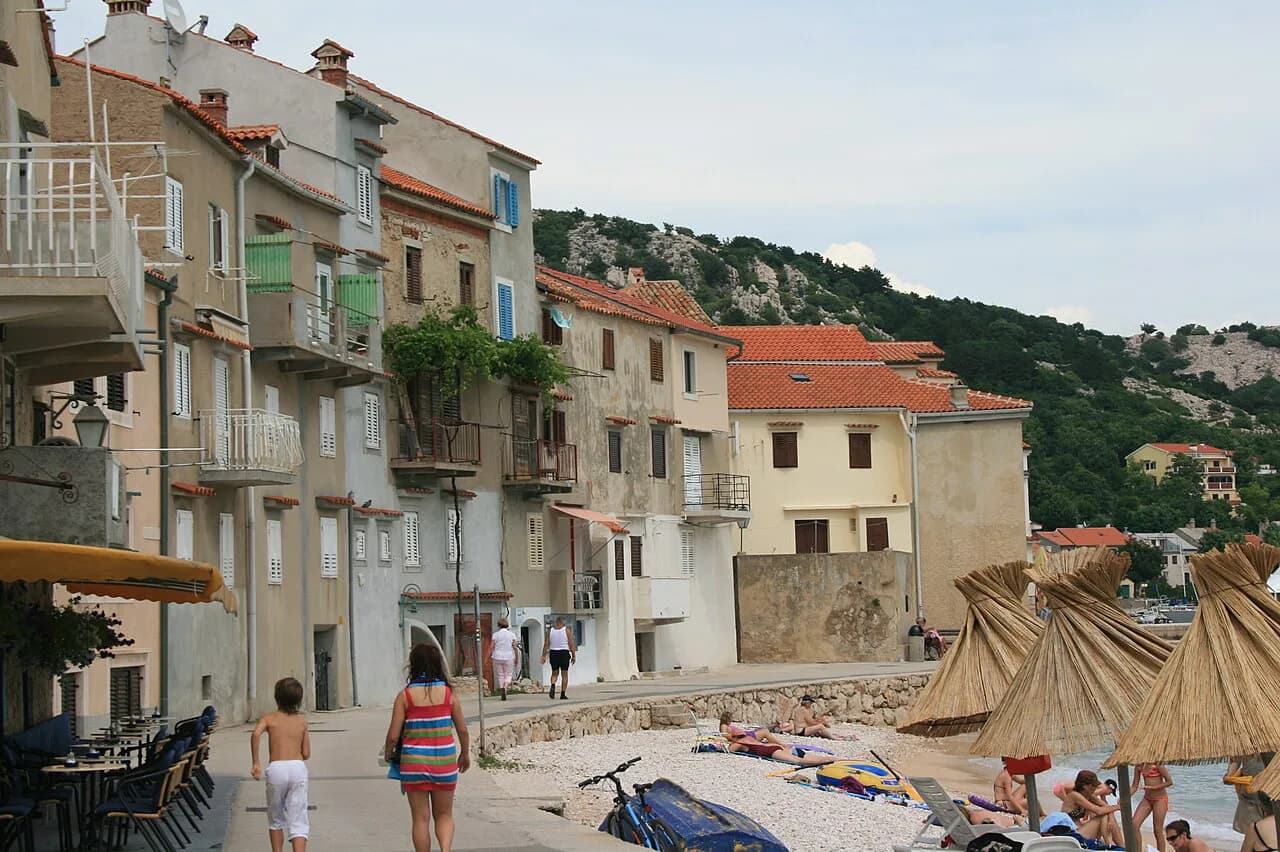
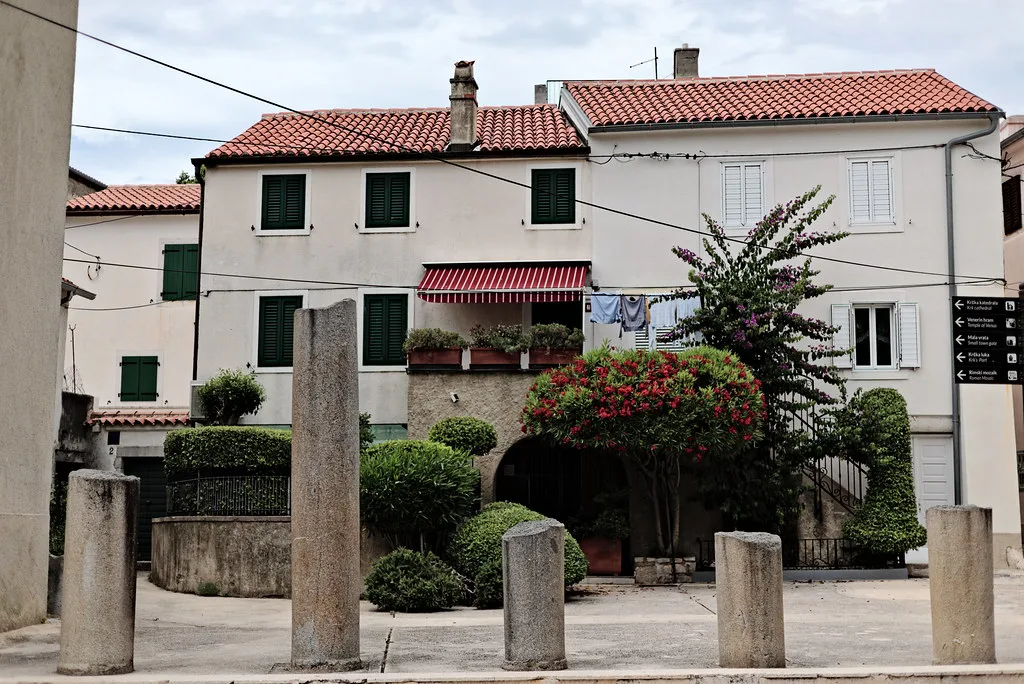
The old town is a ring of fortifications wrapped around narrow, winding cobbled lanes, with small courtyards and medieval buildings opening off them. The walls go back to Roman times and were later extended by the Venetians, so you can read several building phases in a single circuit.
You do not follow a grid here; the pleasure is in turning off the main lane and finding a courtyard or a fragment of defence. Give yourself time to wander rather than trying to tick off streets, and keep the waterfront in view as a rough compass. Wear shoes that cope with polished stone, especially after rain.
The Frankopan Castle: what it is and why it anchors the town
Frankopan Castle stands in the centre of Krk Town, built by the Frankopan family; a historical attraction that dates back to the 12th century. Its thick walls and central position made it both a defensive stronghold and an administrative and cultural centre, and today it holds exhibitions on the nobility, battles and everyday life of the medieval period.
Those exhibitions give context to the lanes you have just walked, and the castle is the natural anchor of a town visit: see it early, then read the rest of the centre in its light. Treat the displays inside as the place to understand its building phases.
Krk Cathedral and its Romanesque core
Krk Cathedral stands in the old town on the site of an early Christian basilica, itself built over the remains of Roman baths. Its main construction phase came in the 12th century, and the carvings inside reward a slow look rather than a quick photograph.
The cathedral's Romanesque core sits naturally beside the castle a few minutes away. Pair the two in the same hour, since they are within easy walking distance in the centre.
The town walls and where they give you the best outlook
The fortifications are the reason the centre feels enclosed, and the surviving stretches of wall are best appreciated from the lanes that run alongside them. Look for the points where the wall meets a terrace or a gap between buildings, which is where the outlook over the bay opens up.
The town walls are part of the standard circuit rather than a hidden extra, so walk the perimeter slowly in one direction and you will pass the main sights without needing a map.
Other stops worth a few minutes: Galeria Fortis and the Decumanus Art Gallery
Galeria Fortis holds a collection of amphorae, pottery and utensils from the Roman era, which suits anyone who wants the archaeology behind the walls. The Decumanus Art Gallery shows contemporary Croatian art, a useful contrast to the medieval streets outside.
Both are small enough to fit into the same afternoon as the castle and cathedral. Hours at the Galeria Fortis and the Decumanus Art Gallery vary by season.
A short walking route through the centre, in order
Start at the waterfront, then enter the old town and follow the lanes to the cathedral for the Romanesque core and its carvings. From there, walk the short distance to Frankopan Castle and take in the exhibitions before doubling back through the streets toward the walls.
Finish with the galleries if they are open, then walk the wall line for the bay views. The whole circuit is short enough that you will pass some lanes twice, which is no bad thing in a town this compact.
How long Krk Town needs: a half-day versus a full day
A half-day covers the cathedral, the castle and a walk around the walls at an unhurried pace. Add the two galleries and a proper sit-down lunch and you have a full day without leaving the centre.
The trade-off is depth versus breadth. If Krk Town is one stop on a Kvarner circuit, the half-day version is enough; if it is your base, spread the sights over two shorter visits and use the rest of the day for the island.
When to come: summer crowds and the bura on the island's north side
Krk's tourist industry has decades of tradition behind it, and the town fills accordingly in high summer. Across the island, the main villages sit in the south, which has a milder climate and lusher vegetation, while the north is mostly rocky and, especially in winter, very windy.
So aim your town visit at the warmer months, and keep in mind that mornings are the quietest window in peak season, before the day-trippers arrive.
How Krk Town fits a Kvarner coast trip, including the mainland bridge
Krk is connected to the mainland by a bridge, which makes it the largest and busiest of the Croatian islands and the easiest of the larger ones to reach by car. That road link means Krk Town slots neatly into a Kvarner itinerary without a ferry booking. The wider group of islands is covered in The Kvarner Islands guide, and the island itself in the Krk Island guide.
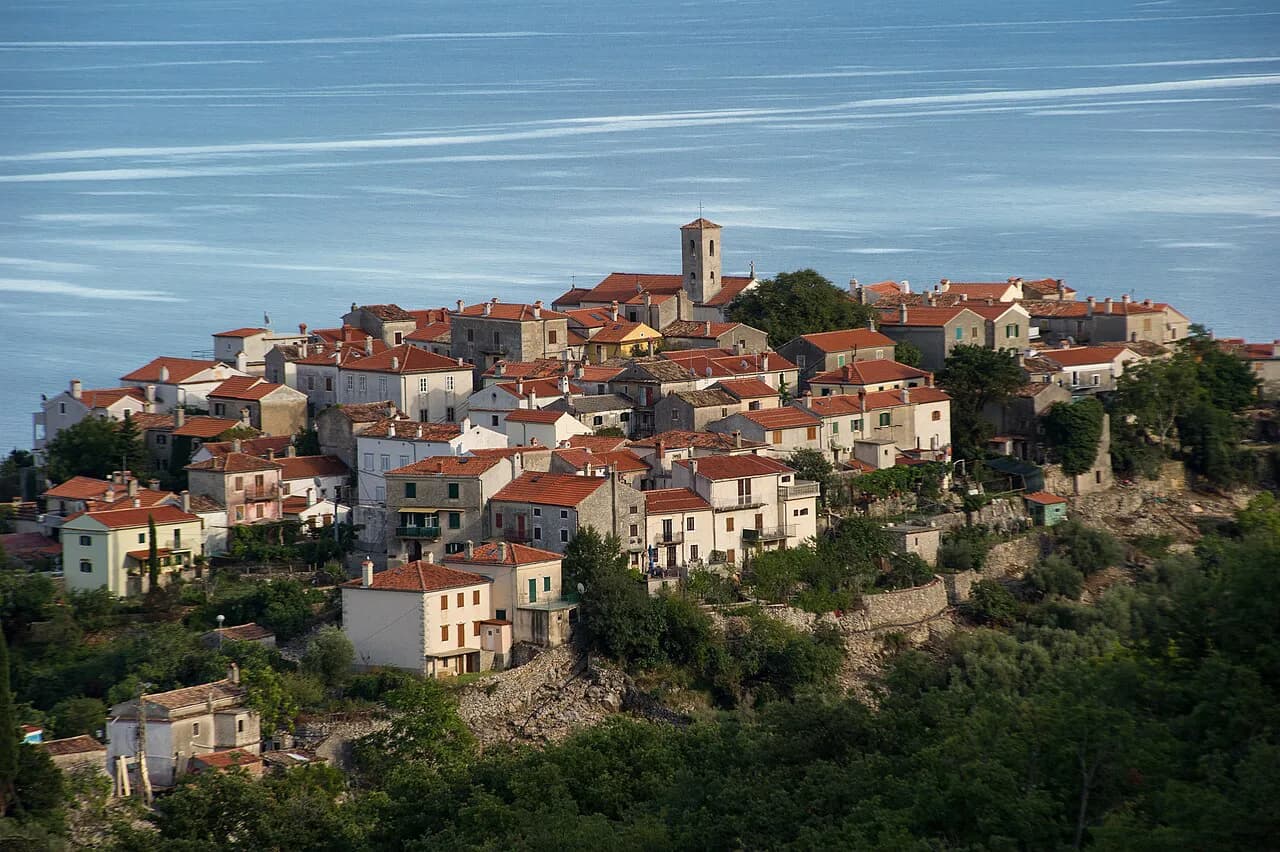
From the town you can reach the rest of the island within a day's outing, including the clifftop village of Vrbnik and the southern resort of Baška. Use the town as your arrival point, then plan the island's other corners on separate days, including Baška and Vrbnik.
Should Krk Town be your base on the island?
Yes, if you want a walkable medieval centre with the main sights in one compact circuit. Base yourself here and you get the castle, cathedral and walls on foot, with the bridge to the mainland saving you a ferry crossing.
Whatever base you choose, check current opening times with each sight before you set out, since seasonal hours shift.
Explore more Kvarner guides
Frequently Asked Questions
Is it worth going to Krk island?
Yes, for a compact medieval old town with ancient walls and lanes, the cathedral, a Frankopan castle, and easy access from the mainland by bridge. Krk is Croatia's largest island and the busiest of the Croatian islands thanks to that access, so it suits travellers who want convenience rather than remoteness.
Where is Krk Town on the island?
The town lies on the island's west coast, more or less in the centre, on a bay close to the medieval core. That central position makes it a practical base for exploring the rest of Krk.
Sources
Notes from the Croatian coast
Optional updates when our guides change.
You might also like
Continue reading
More guides you'll find useful