Blue Cave Croatia: Visit from Split or Vis Guide
The Blue Cave sits on Biševo in the Vis archipelago. See how boat visits work, where they leave from and what else is on the island.
On this page
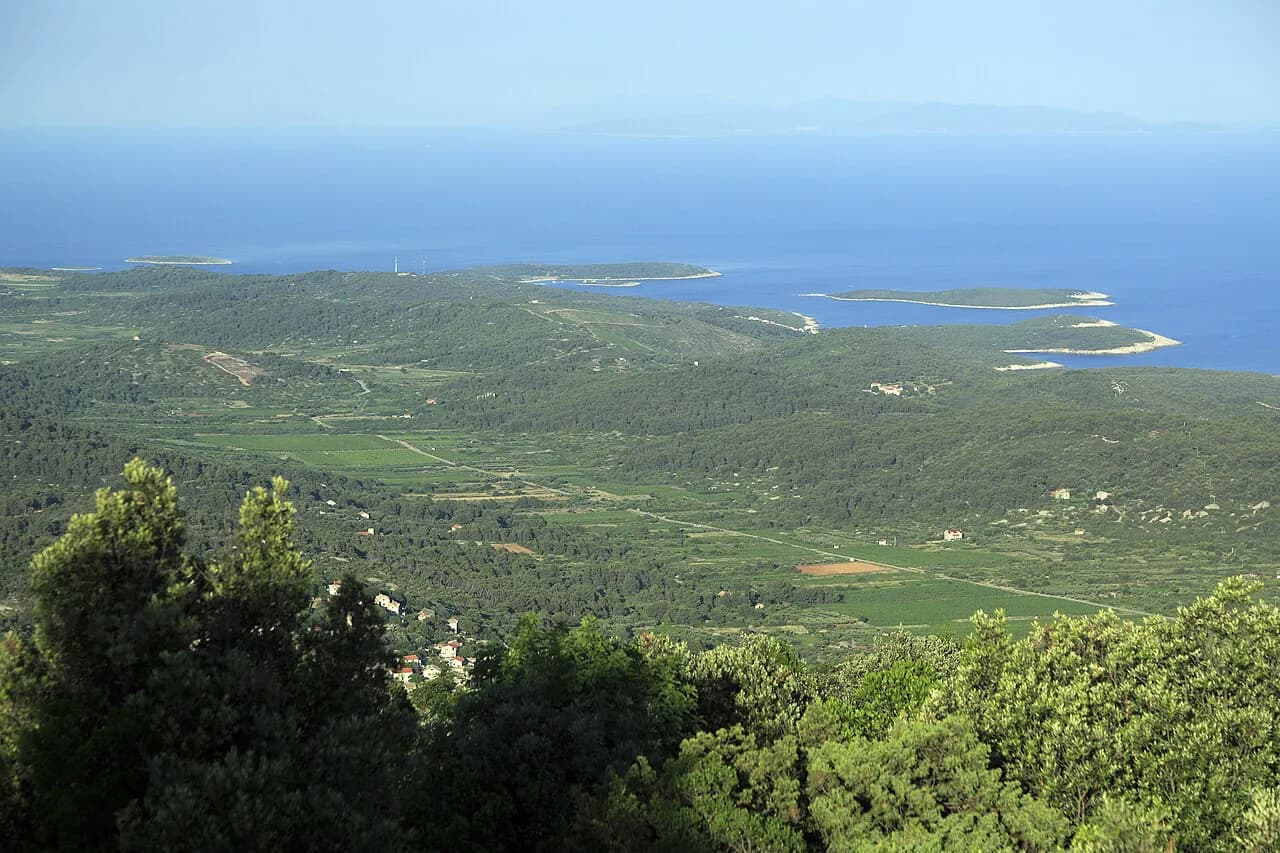
The Blue Cave is a sea cave on Biševo, a small island in the Vis archipelago off the Dalmatian coast, and you can only reach it by boat. Because it sits close to Vis, the shortest and calmest crossings leave from Komiža and Vis, while day boats from Split and Hvar add hours of travel. This guide covers what the cave is, how the entry and rowing-boat transfer work in practice, where boats leave from and what else fills a day on Biševo.
The Blue Cave Visitor Centre on Biševo publishes how to reach the cave, the island's trails and the beaches. Ticket prices, boat slots and weather calls change with the season, so check current details before you go.
What the Blue Cave is and where it sits
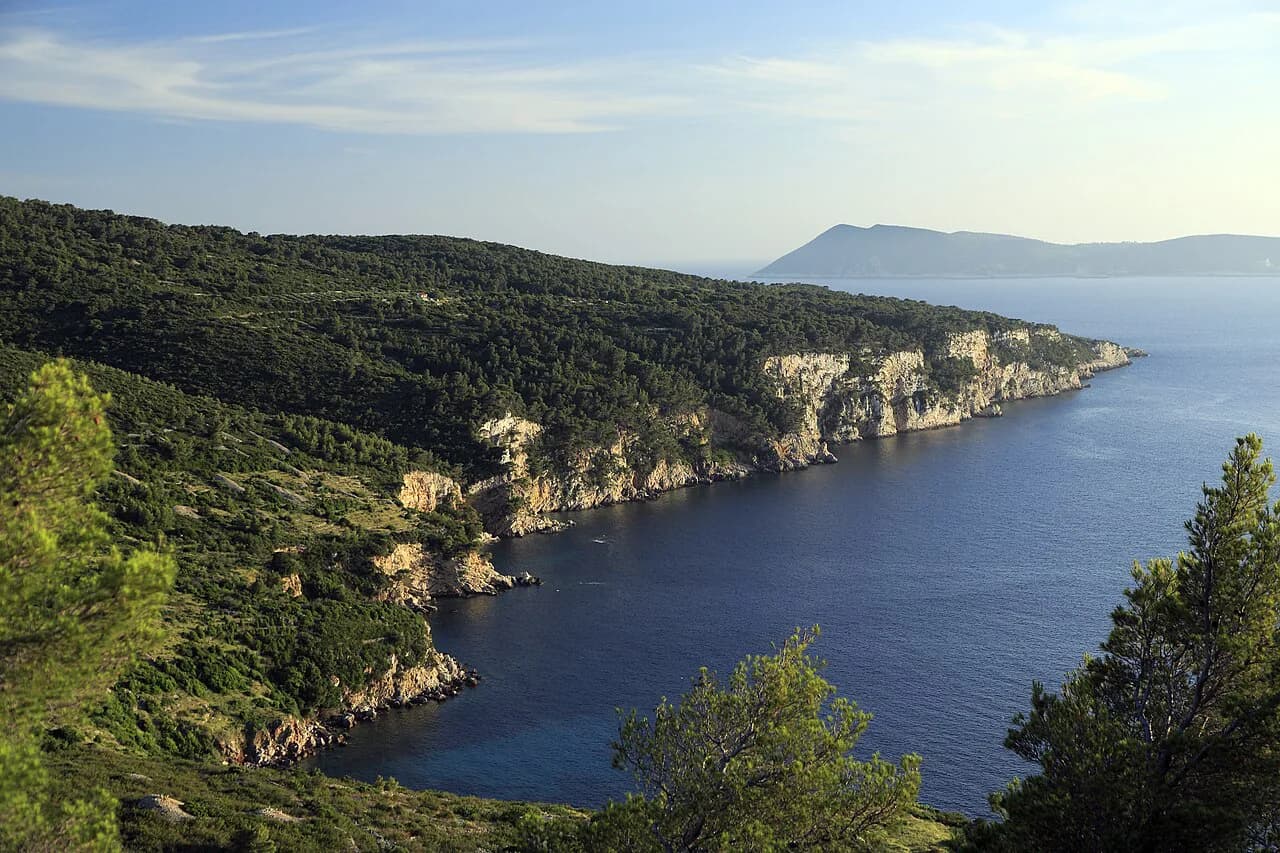
Biševo lies in the Vis archipelago and belongs to the Komiža municipality. The island is small and quiet, and the cave is its main draw.
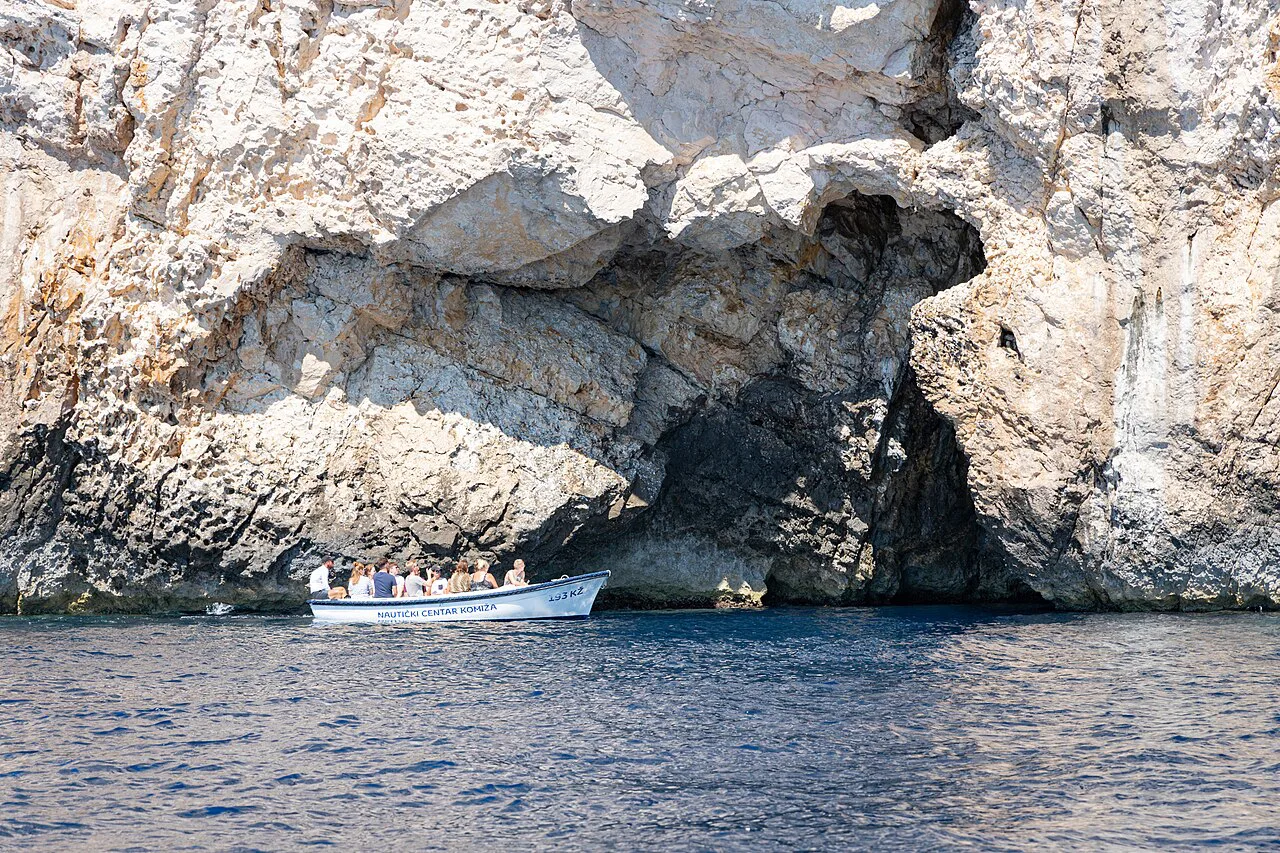
The cave is a natural sea hollow with a narrow entrance at sea level and a larger interior chamber. Its fame rests on the way daylight enters and reflects off the pale floor and walls.
Why the water glows blue
Visitor accounts describe the water inside as an extraordinary, almost unnatural blue. The effect depends on the position of the sun, and photographers note that it varies through the day.
Treat that lighting as luck rather than a schedule. Boats time their arrivals for the brightest window, but cloud and swell can dull the colour. It is worth asking what time of day your boat reaches the cave before committing.
Where boats leave from: Komiža, Vis, Split and Hvar
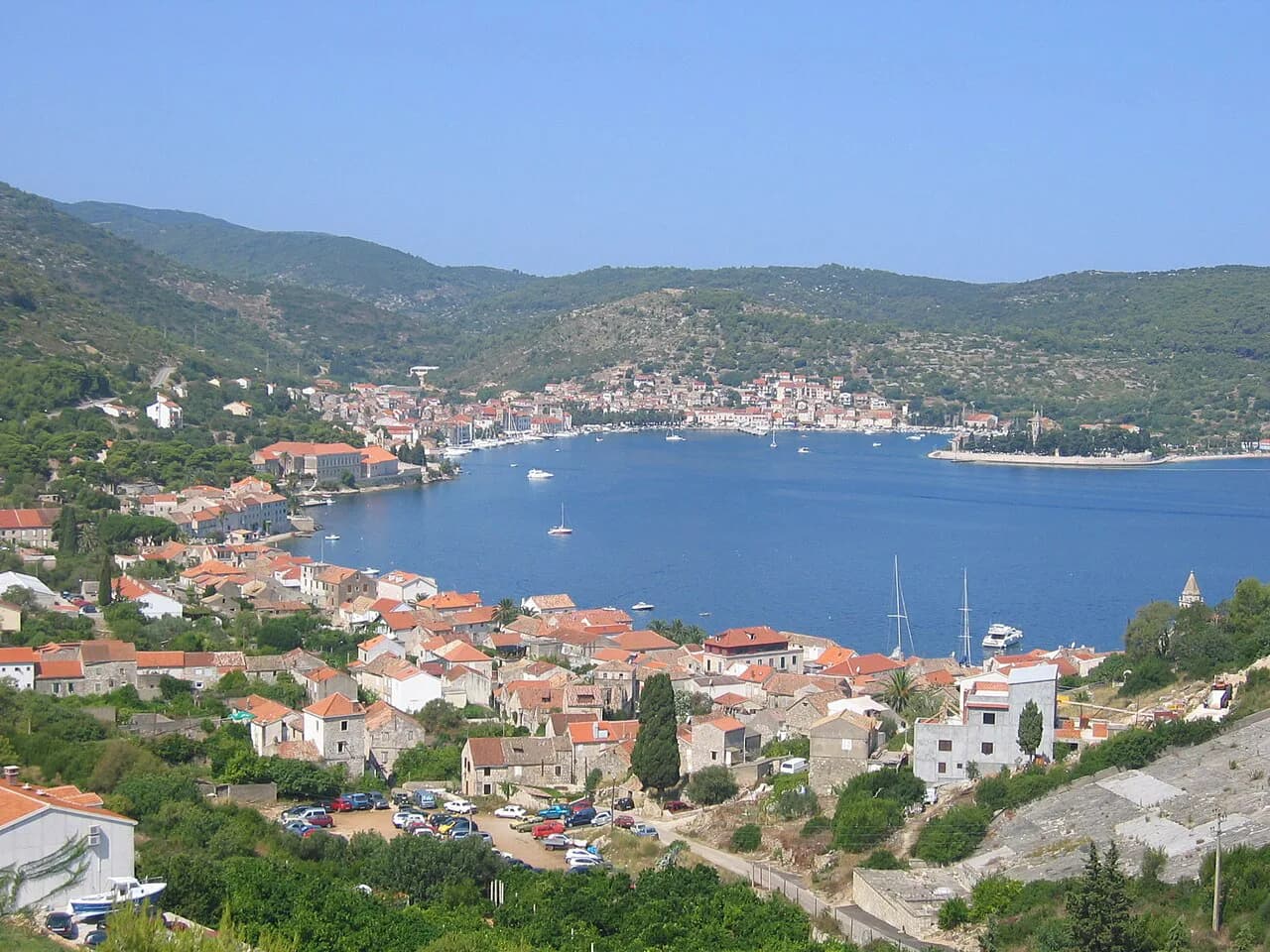
Most visits start on Vis. Komiža, on the island's western side, is the closest harbour to Biševo and the base for the cave's own visitor centre. Boats also run from Vis Town on the eastern side of the island.
From Split and Hvar, the cave is a full-day outing rather than a half-day one. One Split operator advertises its cave boat from Obala Lazareta in Split, with day tours covering Hvar and Brač alongside the cave.
How a visit works in practice
Entry to the cave is low, narrow and made from the water, so no boat of any real size can pass inside. Larger tour boats moor outside and passengers transfer in small rowing boats in groups.
Inside, you remain in the rowing boat. The chamber is tight and the visit is brief. Expect a short pause in the dark, then a turn back to the entrance, rather than a long wander.
Tickets and entrance arrangements
The visitor centre publishes how to reach the cave and what the visit involves. Confirm the current ticket price and any separate cave or boat fee with your operator before setting off.
If you book a boat, read what the price covers. Operators may quote per-boat rather than per-person fares and note deposits separately. Check whether entry to the cave is included or paid on arrival, and whether fuel and equipment are extra.
Weather, swell and when visits are called off
The cave faces open sea and the entrance needs calm water. A swell can make the rowing-boat transfer unsafe, and skippers cancel when conditions are poor. The bura, the cold, gusting northeast wind, is a common cause of lost days on this coast.
Build flexibility into your Vis stay rather than fixing the cave to a single day. If you are visiting from Split or Hvar on a tight schedule, accept that the trip may be called off. The visitor centre provides the official information on how to reach the cave and its current arrangements.
How long the crossing and the whole outing take
From Komiža the crossing to Biševo is short, which makes a cave visit possible within a morning. From Vis town you add the run along the island; from Split and Hvar the day is dominated by transit. One Split-based operator publishes eight to eight-and-a-half-hour day tours that combine the cave with Hvar and Brač.
Remember that only part of any tour is spent in the cave. The trip also takes in the sea, other island stops and lunch.
What else to do on Biševo
The island has a second cave, the Monk Seal Cave, named for the Mediterranean monk seal that once sheltered there. It makes a natural pairing with the Blue Cave for a single boat stop.
The Biševo Geotrail crosses the island to hidden geological features and Mediterranean vegetation. It ends near the named beaches at Porat, Mezoporat and Salbunara, on the quieter side of the island.
The Visitor Centre: permanent exhibition and restaurant
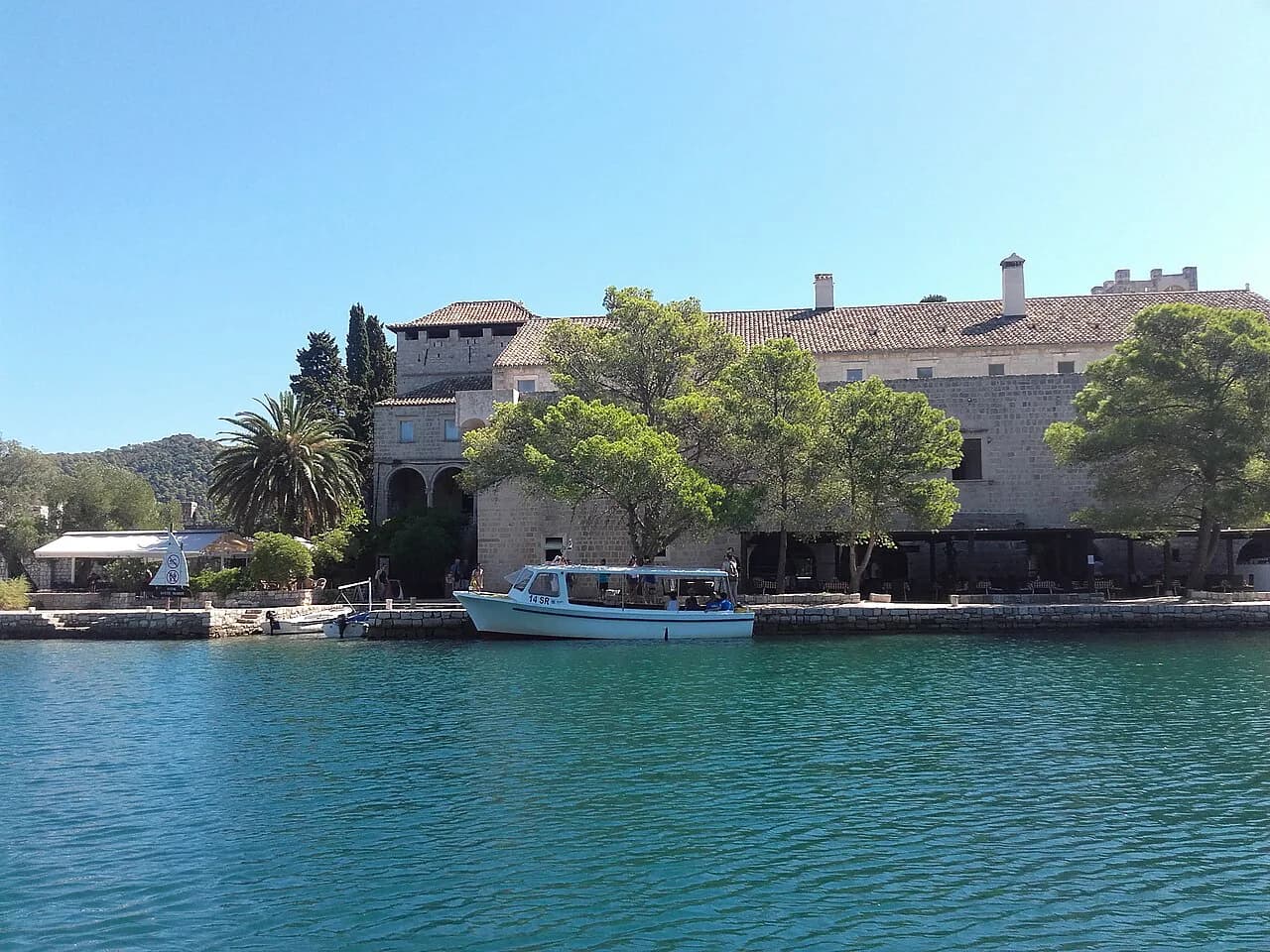
The Blue Cave Visitor Centre on Biševo houses a permanent exhibition on the island's past, plant life and animal life, with multimedia displays. A souvenir shop and a restaurant are part of the complex, so a cave visit can be paired with time indoors.
The island's human history reaches back to the early Church of St. Silvester, built in the mid-eleventh century and altered in later centuries. A Venetian painting of the Madonna from Biševo, dated 1220 and associated with that church, now hangs in Hvar's cathedral.
Combining Biševo with the rest of Vis island
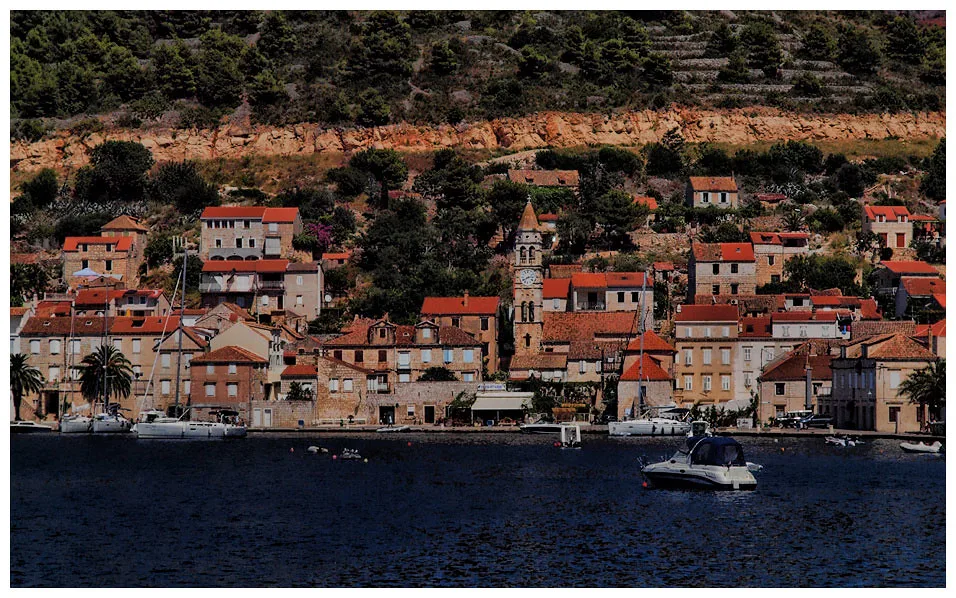
Base yourself on Vis and give the island time. Komiža's fishing harbour, the old streets of Vis Town and the ragged coastline of the Vis Island archipelago all justify more than a cave stop.
Those with an interest in military history can add Tito's Cave on Vis, a Second World War hideout associated with Tito. It is on Vis Island rather than on Biševo and needs a separate visit.
Much of the appeal of staying in Vis Town is simply being near the harbour for early boats.
Is it worth it, and who should skip it
The Blue Cave is worth the detour if you are staying on Vis and can go on a calm day. Go early, keep your schedule loose and treat the glowing water as a bonus rather than a guarantee.
Skip it if you dislike small boats, tight spaces or queuing for a short stop. It is also a poor use of a tight Split or Hvar itinerary, because the long crossing can be spoiled by a cancellation. The official reference for current arrangements is the Blue Cave Visitor Centre.
Should you book the cave or the whole Vis stay?
If your holiday is an island one, the cave is a single half-day excursion from Komiža and should be one item on a fuller Vis itinerary rather than its only purpose.
If your time on the Dalmatian coast is limited, weigh the price and hours spent travelling against the short time inside the cave before committing to the trip.
Frequently Asked Questions
How much is the Blue Cave entrance fee?
Tickets are set by the cave's management and by the boat operators who bring visitors. The Blue Cave Visitor Centre publishes how visits work and how to reach the cave; check current ticket and boat prices.
How far is the Blue Cave from Split?
The cave sits on Biševo in the Vis archipelago, so a day boat from Split has to cross open Adriatic waters before transferring passengers to small rowing boats. Tours from Split typically run for about eight to eight-and-a-half hours once the whole day is counted.
Can I visit the Blue Cave independently?
You need a boat, whether a licensed tour or transfer, because the cave is on an island reached from Komiža, Vis, Split or Hvar. The Visitor Centre publishes the official routes and visitor arrangements on Biševo.
Sources
Notes from the Croatian coast
Optional updates when our guides change.
You might also like
Continue reading
More guides you'll find useful