Stari Grad, Hvar: Old Town, Tvrdalj and How Long to Stay
Plan a visit to Stari Grad on Hvar: the Greek-founded old town, Petar Hektorović's Tvrdalj, the Riva, Glavica hill views and how long the town needs.
On this page
Stari Grad needs a day at a relaxed pace, or two nights if you want the Stari Grad Plain and Glavica hill as well as the old town. It is Hvar's oldest settlement and its main ferry port, tucked at the head of a deep northern bay rather than along the fashionable southern shore, which gives it a working-town character quite different from the island's headline resort. This guide covers the old town layout, Tvrdalj, the churches and squares, a short walking route, the hill and the plain, plus the ferry link from Split; for the rest of the island, see Things to Do on Hvar Island.
What Stari Grad is and where it sits
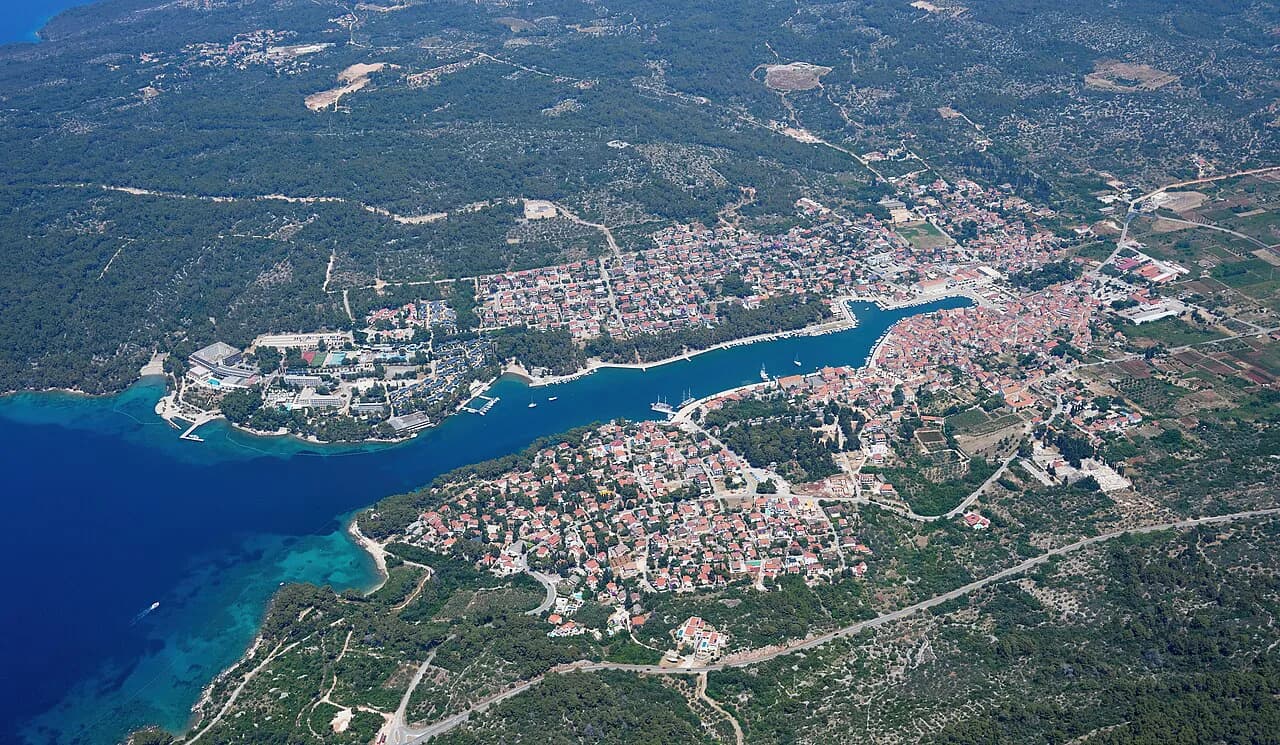
Stari Grad lies at the end of a long, narrow inlet on the north side of Hvar, the island that runs east to west off the Dalmatian coast south of Split. Greek settlers founded the town in 384 BC, and its deep, sheltered bay has drawn sailors ever since; it remains the island's main ferry port and shopping centre. Because the town sits at the head of that inlet, arriving by ferry delivers you almost directly into the old centre.
Think of Stari Grad as the practical counterpart to Hvar Town: the ferry port, the everyday shops and a historic core that is pedestrianised and small enough to cross in fifteen minutes. Hvar Town's beach clubs and nightlife are out of scope here, but the character difference matters when you choose a base, since Stari Grad trades glamour for a settled, lived-in atmosphere. It also functions as a twelve-month town rather than a purely seasonal strip.
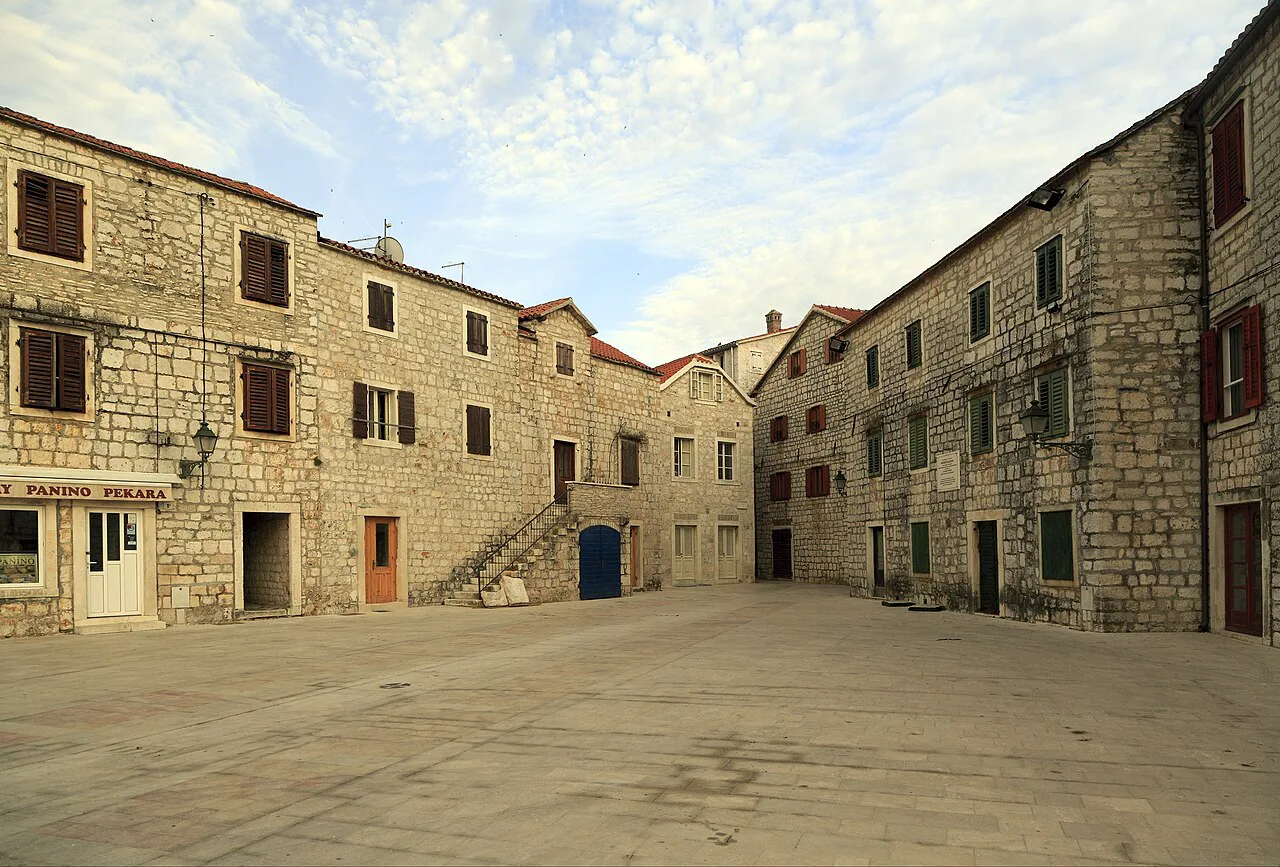
How the old town is laid out: the Riva, the lanes and the squares
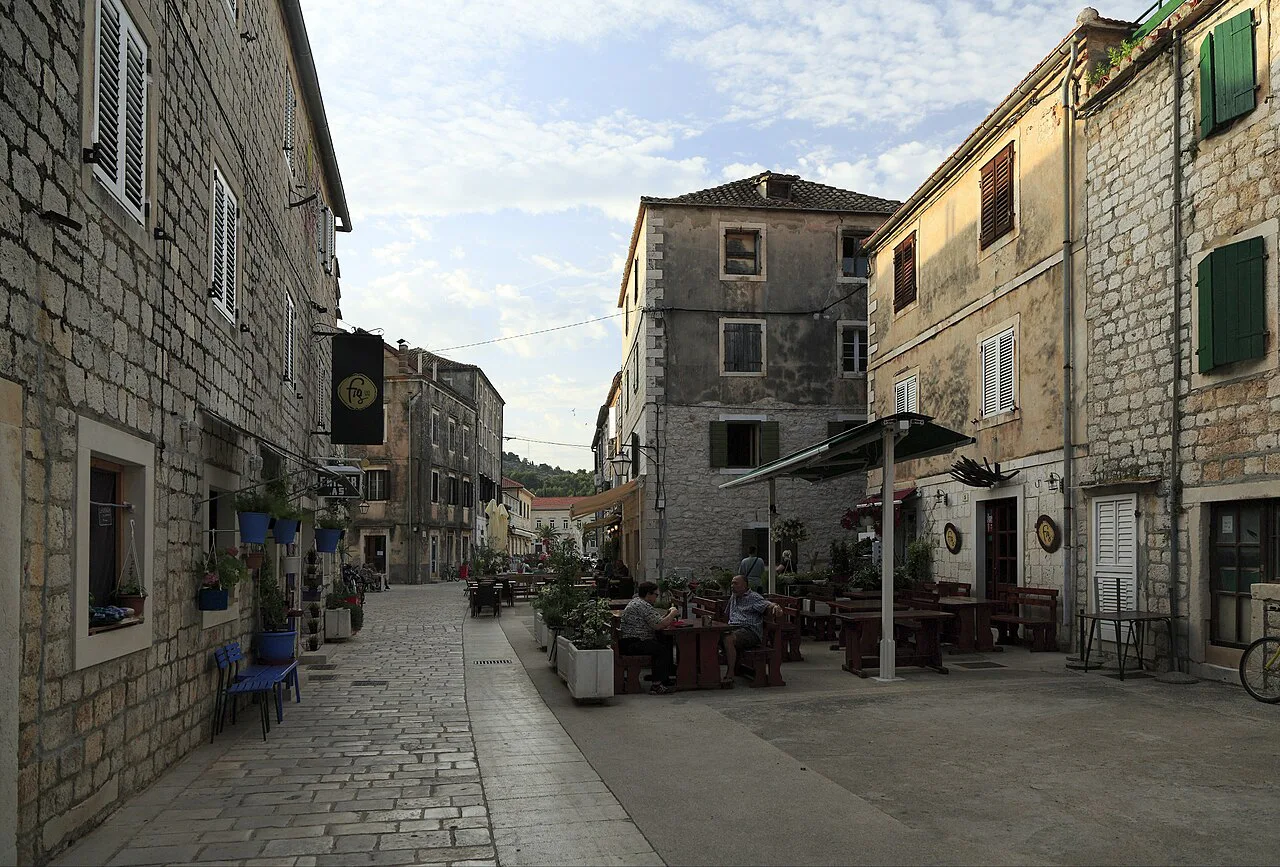
The Riva is the waterfront promenade along the inlet, lined with moored boats, palms and cafés, and it is where you get your bearings. An extended stretch of it has made Stari Grad a magnet for sailing crews, whose yachts moor alongside local fishing and taxi boats. From the Riva, streets lead inland into the old town within a couple of minutes.
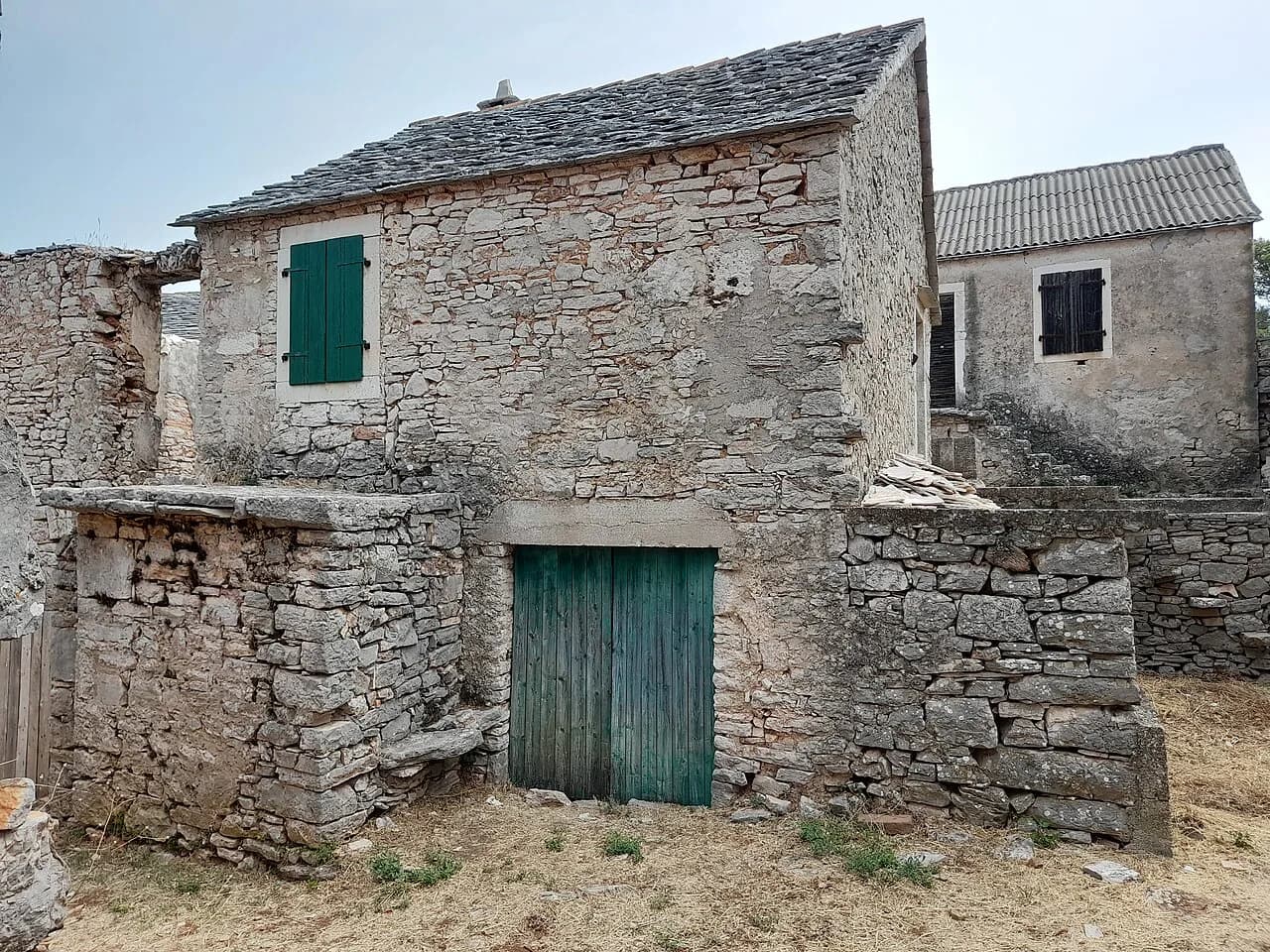
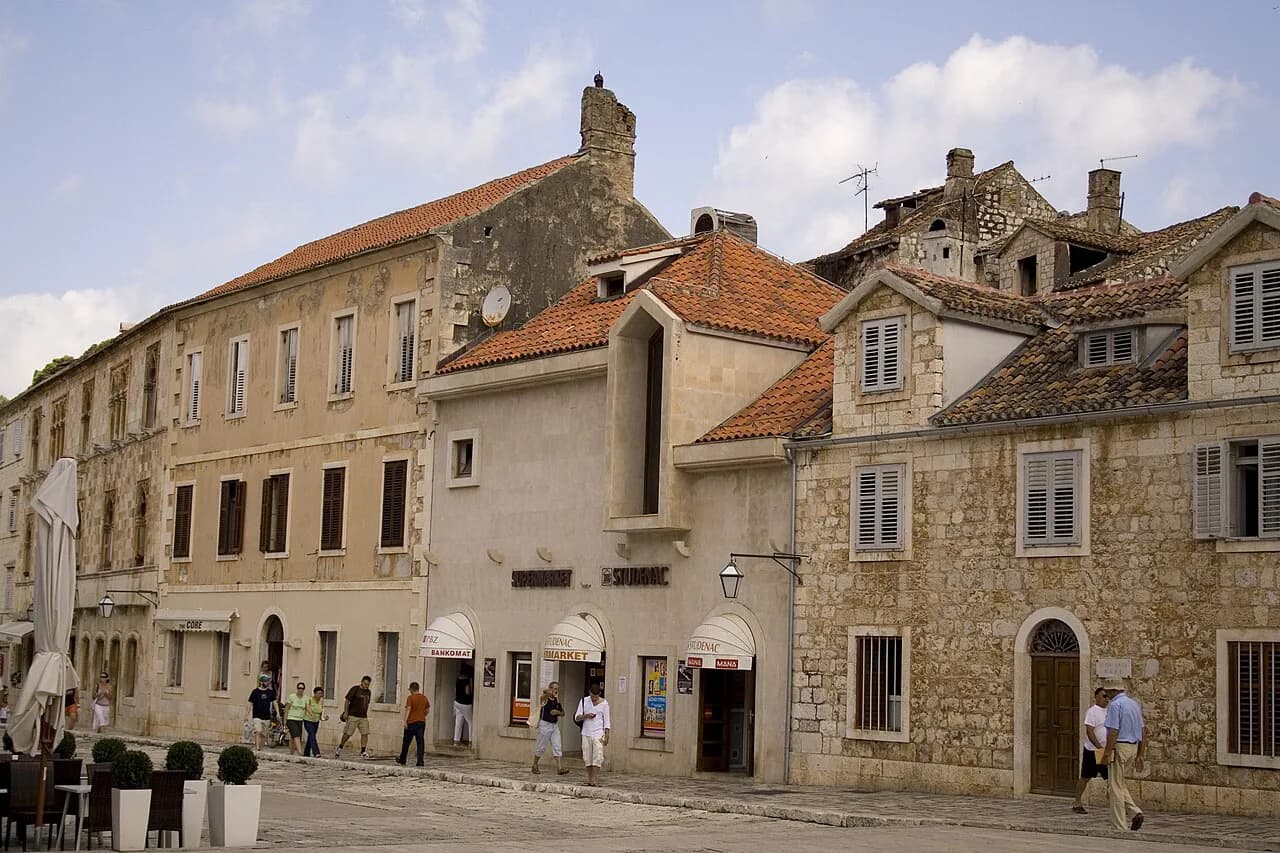
Behind the waterfront, the core is a warren of cobbled pedestrian lanes and small squares, enclosed by stone houses with shuttered windows and vines over the doorways. The grid is irregular but genuinely compact, so getting briefly lost costs you minutes rather than an afternoon, and most visitors simply wander rather than follow a map. Several squares open off the lanes, and they are the natural places to pause.
Petar Hektorović's Tvrdalj: the summer house and its seawater fishpond
Tvrdalj is the fortified summer house of the 16th-century poet and nobleman Petar Hektorović, and it is the one sight in Stari Grad worth planning around. From the small square outside it looks unassuming, but a covered stone entrance opens into a garden with a central fishpond cut into the terrace and filled with seawater, framed by arched windows and climbing plants. Allow roughly half an hour to explore the house, the pool and the garden terraces.
Hektorović designed the complex as both a retreat and a refuge, with defensive walls around a courtyard that still reads as a private world rather than a monument. The square at its entrance, Hektorović Square, was repaved during recent upgrades to the old town, so the approach is tidier than it once was. Check current opening months and any admission charge with the town's tourist office before you go, since these change with the season.
St Stephen's Square, the cathedral and the town's churches
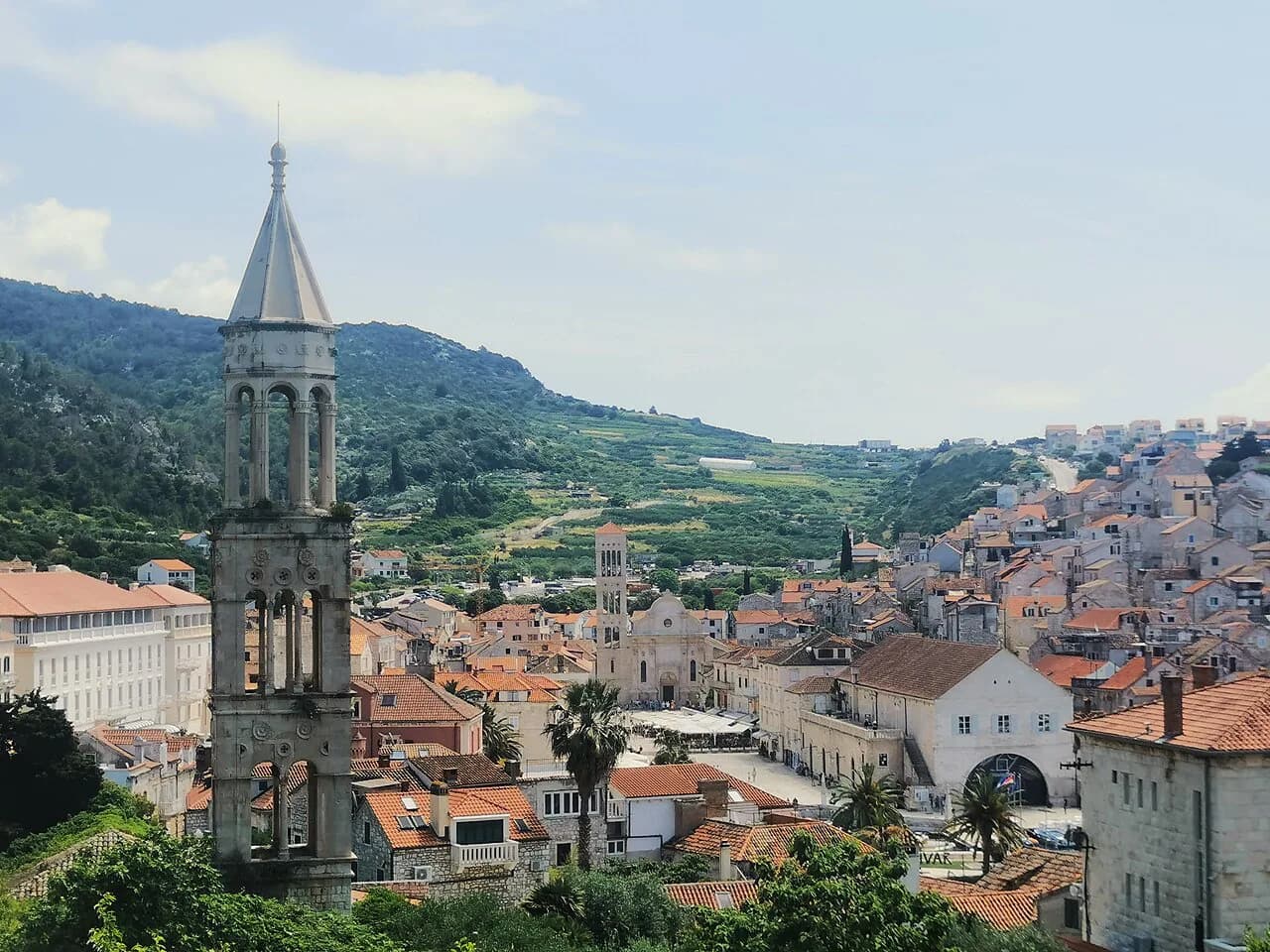
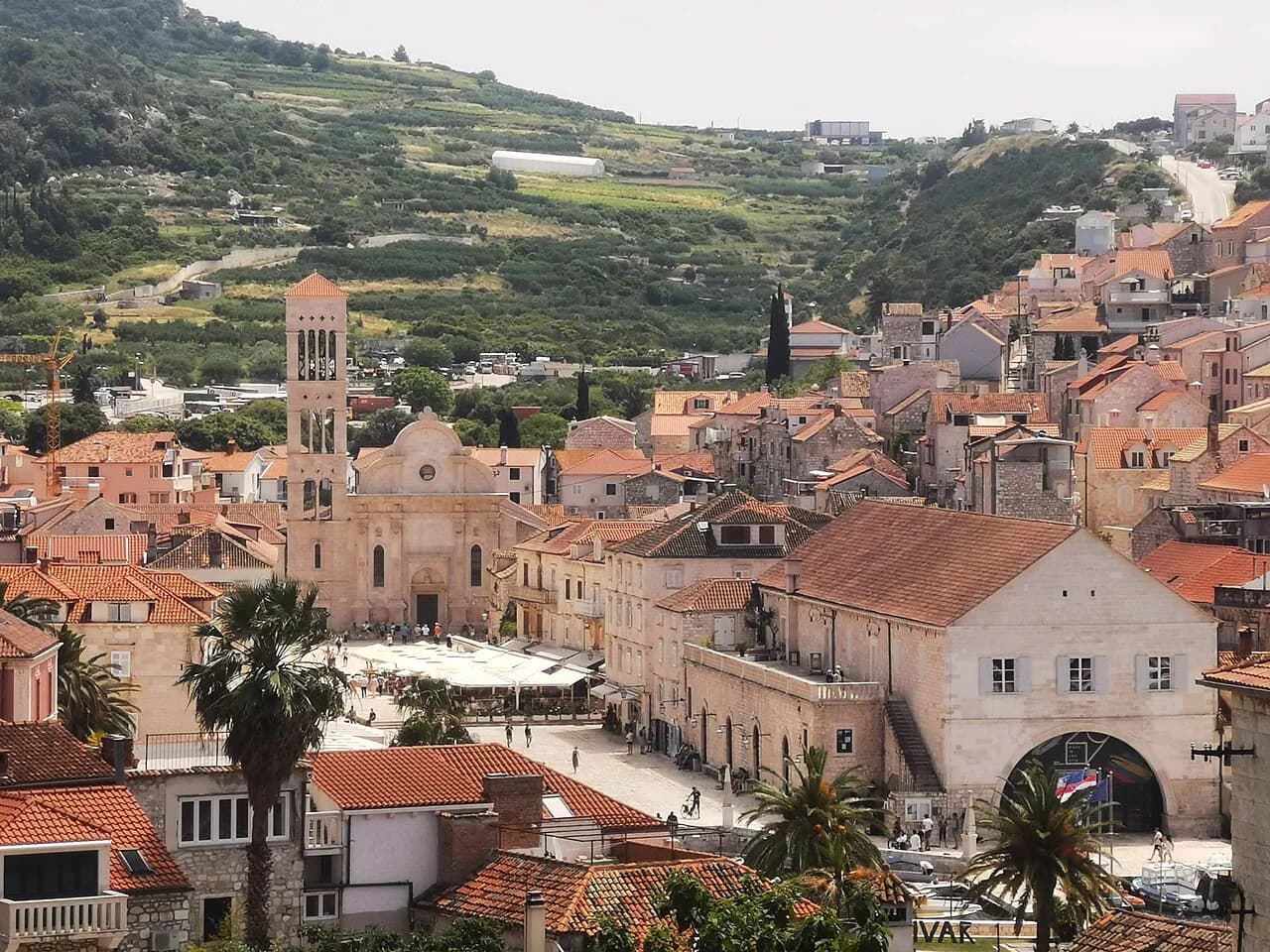
St Stephen's Square is the main open space in the old town and the site of the parish cathedral, whose bell tower is Stari Grad's most recognisable landmark above the rooftops. For a town of its size, Stari Grad has an unusual concentration of churches, several of them small and easy to miss down the side lanes, so it pays to look up as you walk.
Stari Grad also has a strong artistic streak, with galleries and art shops scattered through the centre alongside several small museums. That makes it a sensible choice on a wet or windy day, when the indoor sights and churches keep you occupied through the afternoon. Opening hours vary by season and by venue.
A short walking route through the lanes
Start on the Riva and take Ulica Ivana Gundulića inland, where vines spill over stone walls and a church tower frames the end of the street. From there, weave through the lanes to Skor Square, one of the prettiest corners of town, where staircases are draped in flowering vines, then continue along Srinjo Kola, one of the oldest streets in the settlement and now lined with small shops and cafés. The whole loop is short enough to walk twice, and worth it: the light changes through the day.
Vagnoj ulica branches off Srinjo Kola and gives a contrast to the grey stone, and the lanes around Trg Škor open into quiet courtyards. The serious pleasure here is simply turning down unplanned alleys, since the old town is small enough that no wrong turn leads anywhere inconvenient. Wear shoes with grip, as the polished stone is slippery when wet.
Glavica hill and the white cross: the climb and the views
North of the marina, a large white cross stands on Glavica hill above an outdoor altar and a small church, and the view from the top takes in the town, the bay and the island of Brač across the water. Two marked trails reach the summit, with trailheads on Kralja Tomislava and Put Rudine, and you can combine them into a loop. Allow about an hour for the return walk at a steady pace.
The climb is best done early or late in the day, since the path is exposed and the limestone holds the heat. Take water; the nearest shop is back down in town. For more of the island's walks and viewpoints, the wider Hvar Attractions: 11 Visitor Guides collection covers the other towns.
The Stari Grad Plain: the Greek field system by bike
East of town, the Stari Grad Plain is a UNESCO World Heritage Site, an agricultural landscape still divided by dry-stone walls along the lines the Greek settlers laid out more than 2,400 years ago. The plain now carries vineyards and lavender as well as crops, and its scale is best appreciated on two wheels rather than on foot.
Several places in town rent bikes, and the tourist office hands out a map of the signed cycle routes. A common full-day loop runs north from Stari Grad to Vrboska, follows the coast to Jelsa, and returns on the southern road, with a detour up to the hill village of Dol for the view. Take sun protection and plenty of water, as shade is scarce between the walls.
Getting there: the ferry link from Split
Stari Grad is Hvar's main ferry port, which is what makes it such a practical base: ferries and catamarans from Split arrive at the head of the bay rather than at the busier southern end of the island. Because the crossing lands you in the middle of town, you can step off and walk to most of the old centre without a taxi.
Sailing times and operators change between the winter timetable and the summer one, so check Jadrolinija and Krilo schedules for your own dates rather than relying on a printed guide. Allow a buffer when connecting with a flight or a bus at Split, since the crossing and the port transfer both take time.
How long Stari Grad needs, and when to come
One full day covers Tvrdalj, St Stephen's Square, a loop through the lanes and a drink on the Riva, with the Glavica climb fitted in if you start early. Two nights let you add the Stari Grad Plain by bike and spend an unhurried afternoon in the old town. Travellers who want a base for the whole island often stay here and visit Hvar Town as a day trip.
The dense stone lanes stay noticeably cooler than the waterfront in the middle of a summer day, which makes the old town the best place to walk between about eleven and four. Most people head for the water at that hour, so the squares and alleys tend to be at their quietest. June and September give warm days with a lighter press of visitors than high summer.
Should you base yourself in Stari Grad?
Choose Stari Grad if you want Hvar's history, a working harbour and easy ferry access rather than a resort strip; choose Hvar Town if nightlife and a beach on the doorstep matter more. Two nights is the sweet spot: enough for Tvrdalj, the lanes, Glavica and a cycle through the plain without rushing any of them.
Book the ferry for your dates and confirm Tvrdalj's seasonal opening with the tourist office in town, then leave the rest of your plan loose enough for a slow morning on the Riva.
Explore more Hvar guides
Sources
Notes from the Croatian coast
Optional updates when our guides change.
You might also like
Continue reading
More guides you'll find useful