Hvar Lavender: When It Blooms and Where to See It
Plan around Hvar's lavender: when the old road past Brusje and Velo Grablje is in flower, how the island's lavandin trade grew, and where to buy oil in Jelsa.
On this page
Hvar's lavender is best seen in the last days of June and the first days of July, when the fields along the old road from Hvar Town past Brusje and Velo Grablje come into flower. The window is short and the crop is not true lavender at all but lavandin, a hybrid known locally as budrovka. This guide covers that flowering window, the history behind the island's Lavender Island nickname, the villages to drive through, how the oil is distilled and where to buy it.
This guide also covers the annual lavender festival at Velo Grablje and the choice between driving the old road and walking the lavender trails mapped around Jelsa, with the practical trade-offs of each set out below.
When Hvar's lavender blooms and the best window to see the fields in flower
The fields along the old road above Hvar Town are described in flower around the annual lavender festival in Velo Grablje, which has been held in the last week of June, with the fortnight that follows a particularly good stretch on the old road near Brusje and Velo Grablje. Outside that period the fields are green or already cut, so a visit in May or August will not give you the blue rows you have seen in photographs. The old road from Hvar Town toward Brusje and Velo Grablje is the stretch to aim for.
Treat any single festival date as a pattern rather than a fixture: the festival is annual, and the report that places it in the last week of June was written for a particular year, so build a few days of flexibility into your stay rather than pinning everything on one date.
Why Hvar is called the Lavender Island: from the first bush in 1928 to the 1960s peak
Lavender arrived on Hvar surprisingly late for a Mediterranean plant. The first bush, the hybrid lavandin called budrovka, was planted on the island in 1928.
The trade then grew fast. By 1947 lavender covered about thirty hectares of rocky ground and produced roughly five hundred kilograms of oil; by the 1960s the area had reached six hundred hectares and output had risen to about twenty tonnes. That boom, lasting some twenty years, earned Hvar the Lavender Island name.
Budrovka is a lavandin hybrid, grown for an essential oil with recognisable characteristics and many uses. The difference matters at the till: lavandin is a hybrid, so a bottle of it is not the same product as true lavender oil.
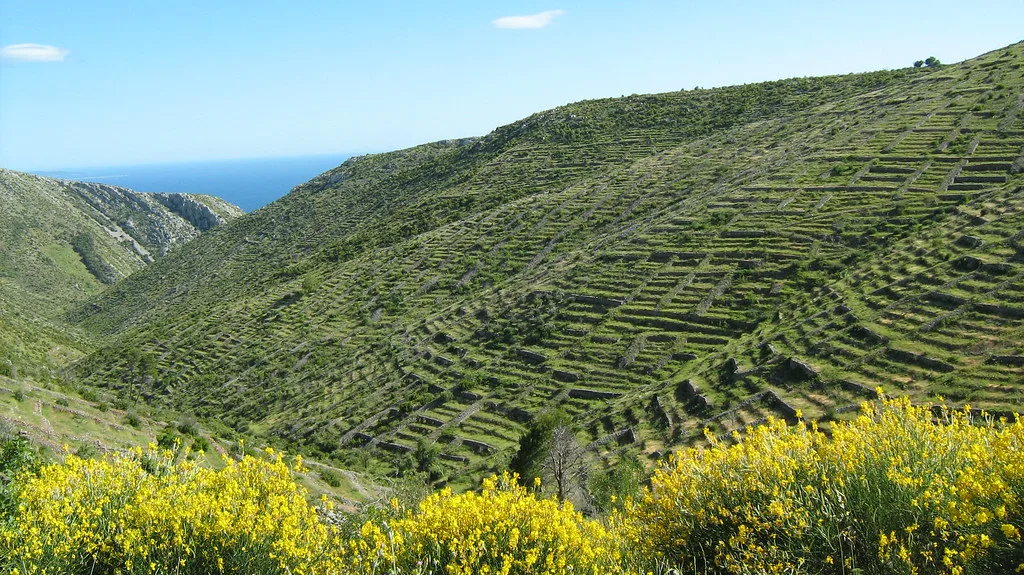
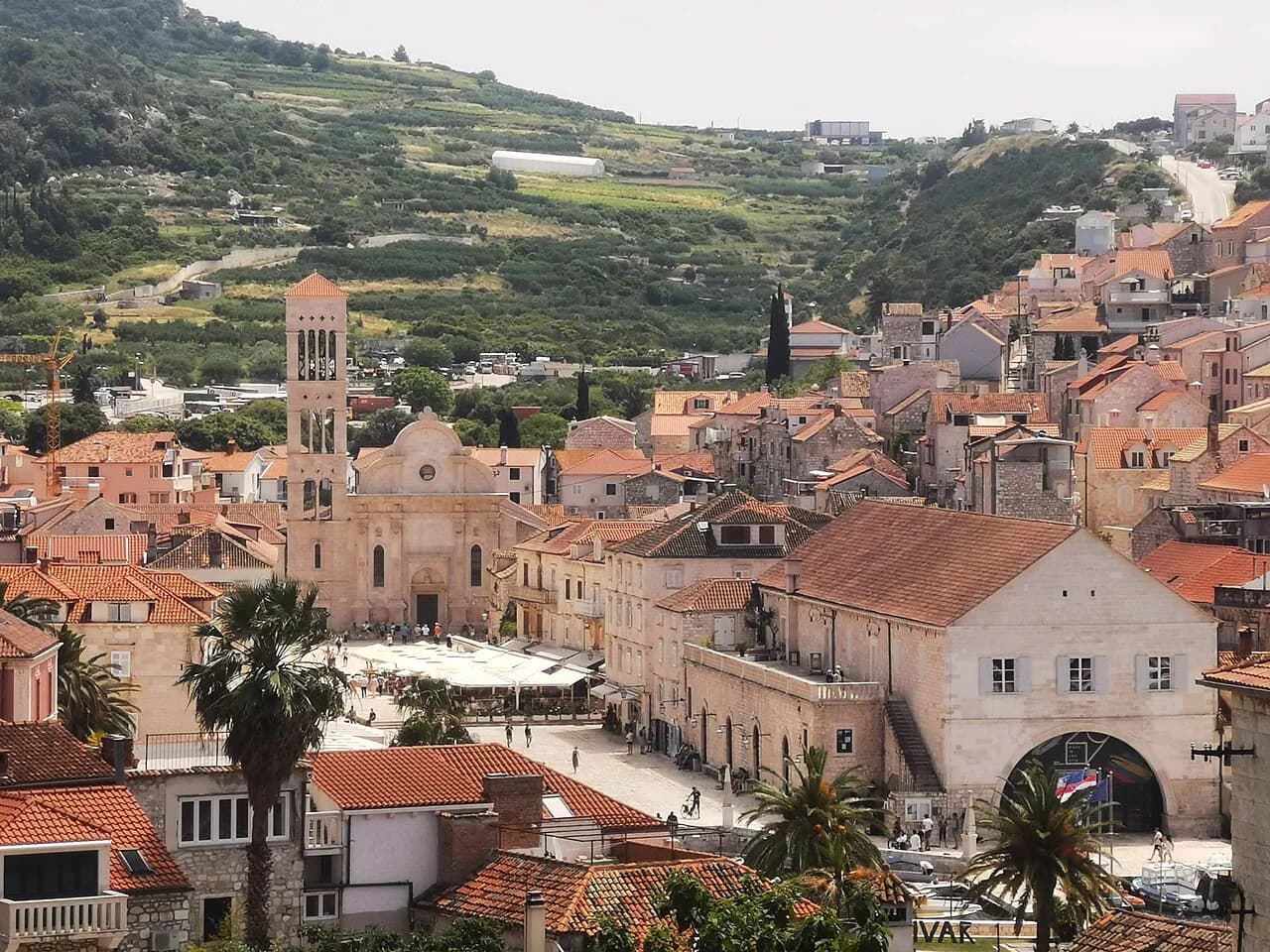
Where to go: the old road from Hvar Town past Brusje and Velo Grablje
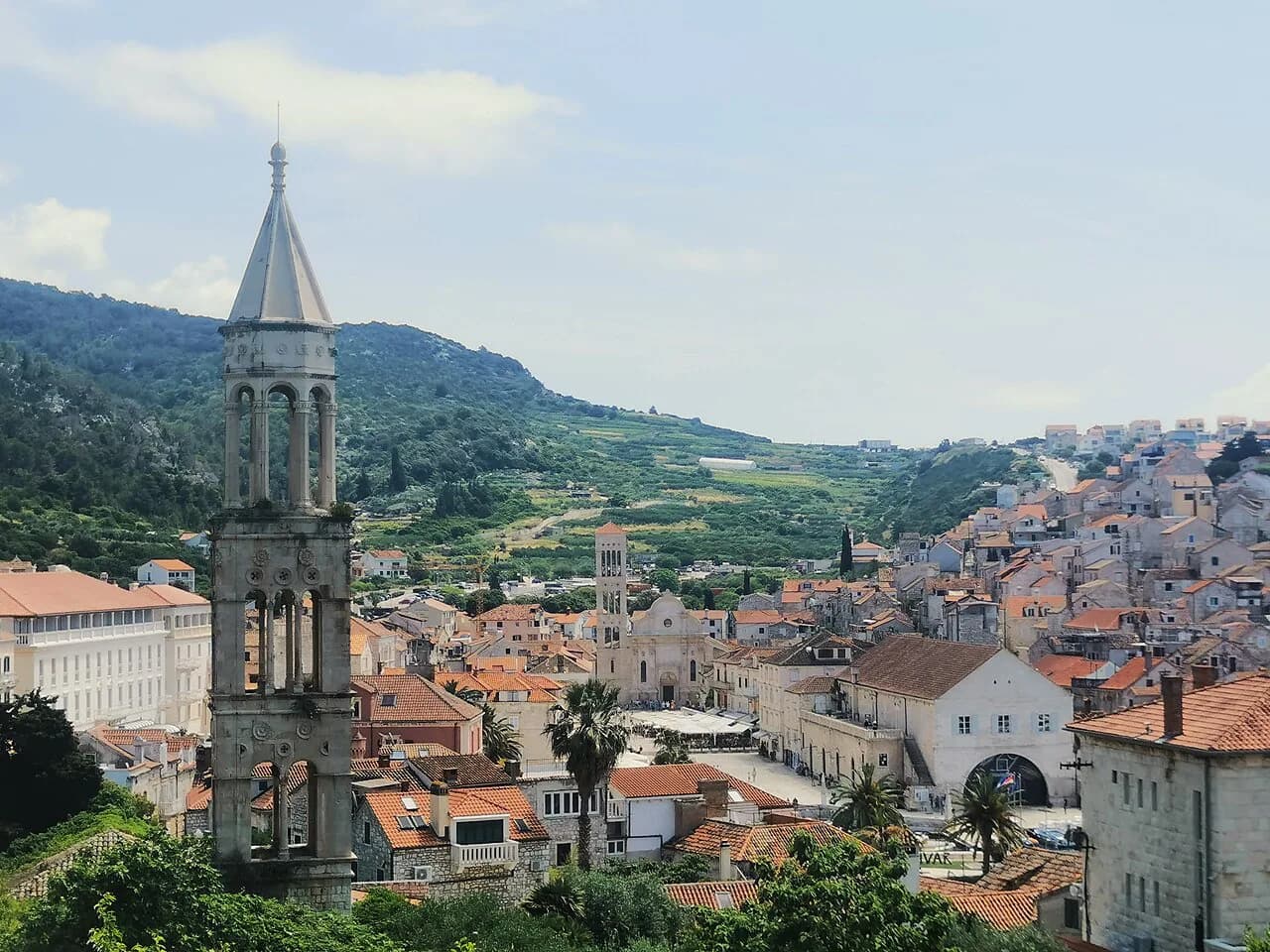
The classic lavender drive runs inland from Hvar Town on the old road that climbs through Brusje and on to Velo Grablje, and it is worth the short drive from Hvar Town. In the fortnight around the harvest this normally quiet road fills with cars parked randomly at the verge, so allow more time than the distance suggests and pull fully off the carriageway where you stop.
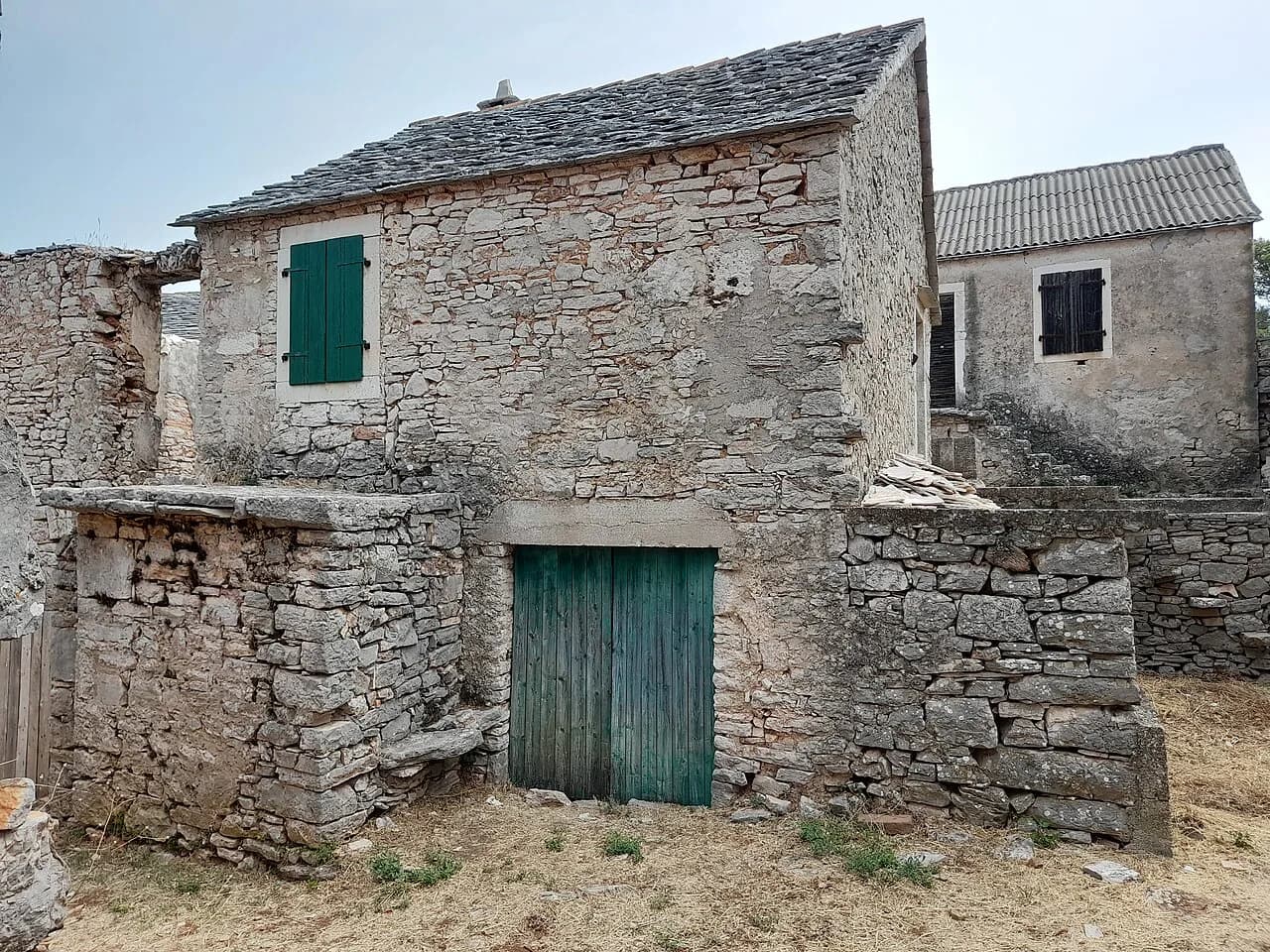
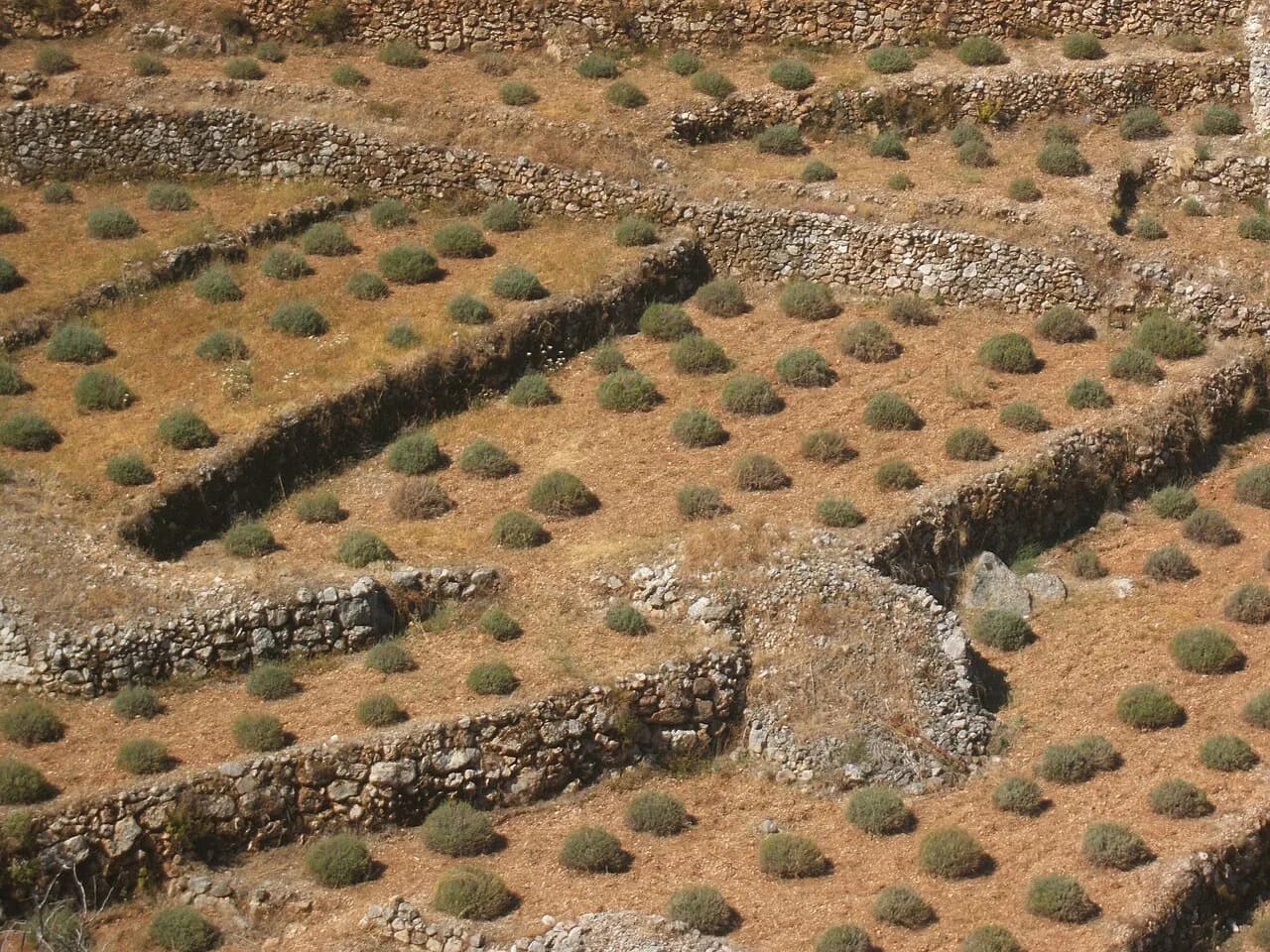
If you would rather not drive, the Jelsa tourist board publishes a lavender trails map and a downloadable guide to the lavender routes around Jelsa. Walking gives you a closer look at the stone terraces and dry walls that hold the thin soil in place, and it sidesteps the roadside parking crush entirely on festival days. For the practical details, see the Hvar guide.
A guided lavender tour is another option if you have no car: organised lavender walks on Hvar run through the fields and atmospheric old villages, though route and inclusions vary by operator and should be checked at the time of booking.
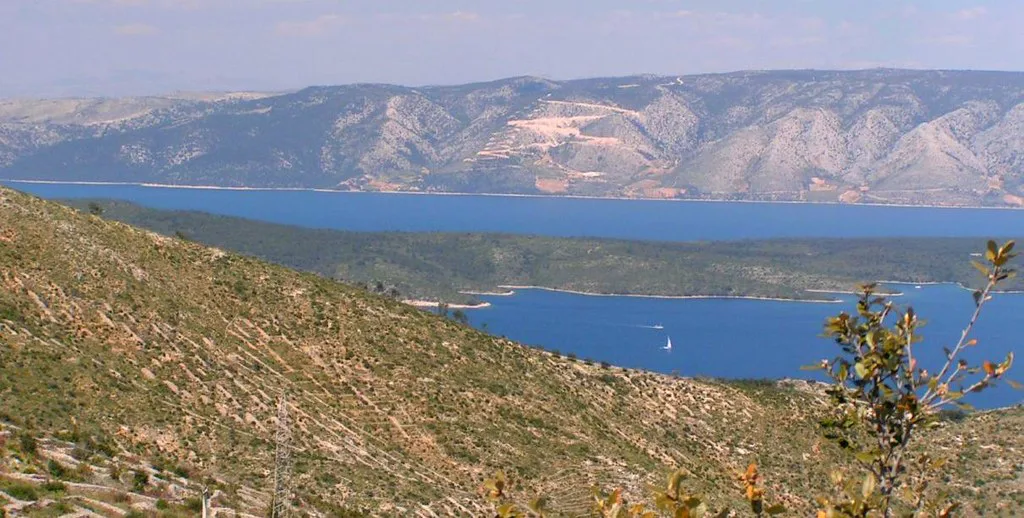
Velo Grablje: the village that was the centre of Dalmatian lavender production
Velo Grablje, tucked into the hills above Hvar Town, was once the capital of lavender production for all Dalmatia. The village emptied as the trade declined, and its revival is one of the island's more convincing comeback stories, helped along by EU funding for signage and facilities. Konoba Zbondini, the village's first restaurant, opened in a family home as part of that revival, run by the Tudor family; when it was reported in the season, it was described as open daily through the season.
For the wider island picture beyond the lavender hills, see the full Things to Do on Hvar Island guide, which helps you slot a lavender drive into a longer stay.
How lavandin oil is made, and what the distilling demonstration involves
Lavandin oil is made by distilling freshly cut bunches, and at the festival in Velo Grablje bunches brought in from the fields are tipped into a large steel container and compressed by people jumping on top of them — tourists are occasionally invited to take a turn. Watching the plant material go in is the most instructive part of the event, and it keeps a long local tradition in view.
Small producers elsewhere on the island, including the holdings around Jelsa, sell lavandin oil and sachets of dried flowers. The Jelsa tourist board lists specific holdings you can visit or order from: OPG Deanović in Jelsa, OPG Grgo Lučić in Zastražišće, and OPG Franko Mateljan also in Zastražišće.
Buying lavender: Jelsa market stalls, souvenir shops and the producers you can visit
For buying, head to Jelsa, where market stalls and souvenir shops sell small bottles of locally produced lavandin oil and sachets of dried lavandin flowers. The tourist board also names a Gdinj producer, OPG Ćurin, alongside the Jelsa and Zastražišće holdings.
Buying direct from a producer is the surest way to know what you are getting, and it puts money into the small holdings that keep the terraces worked. If you are travelling on by ferry or catamaran, pack glass bottles carefully in checked luggage.
The lavender festival in Velo Grablje: what happens and when it falls
The lavender festival at Velo Grablje is an annual two-day event that has been held in the last week of June. Beyond the fields and the distilling, it brings a crafts fair selling lavender products, a dry stone walling workshop, a children's workshop and lavender ice cream.
Time your visit generously rather than to the day: the festival is annual and reports of it come from particular years, so plan around the last week of June and check the current programme before you commit. Arrive early if you are driving, since the village lanes and the approach road fill quickly and parking is informal.
Practical trade-offs: a hire car or the lavender trails
A hire car gives you the most freedom: you can reach Brusje and Velo Grablje early, stop where the fields look best and move on to Jelsa or Stari Grad the same day. The cost is parking on the narrow Brusje road and festival-week congestion, which can turn a short hop into a slow crawl. The guide to Hvar Island covers the island at the far end of that drive.
Walking the lavender trails is cheaper, quieter and better for seeing the crop up close, but it limits you to one area per outing and needs an early start to avoid the heat of the day.
Whichever you choose, go early: the light is better for photographs, roadside parking is still available and the distilling demonstrations have not yet drawn a crowd. Wear closed shoes for the stone terraces and keep to field edges where the crop is still standing.
Is the lavender drive worth building a day around?
Yes, if you are on Hvar around the end of June and can start early. The drive from Hvar Town through Brusje to Velo Grablje shows you the working landscape behind the island's Lavender Island name in a couple of hours, and the festival adds distilling, crafts and a village that has come back to life around its old crop.
Outside that window, skip the fields and go straight to Jelsa's market stalls, souvenir shops and the named producers for lavandin oil and sachets of dried flowers.
Explore more Hvar guides
Frequently Asked Questions
Is Croatia known for lavender?
Hvar is the Croatian island most associated with lavender, and it earned the Lavender Island name during a mid-twentieth-century boom that peaked in the 1960s. The crop is lavandin rather than true lavender, planted on the island from 1928 and grown for its aromatic oil.
What month is best for lavender fields on Hvar?
Late June, around the lavender festival. The fields along the old road from Hvar Town past Brusje and Velo Grablje are described in flower at that time, with the fortnight after the festival a particularly good stretch. The event is annual, so keep some flexibility in your dates.
Can you buy lavender oil on Hvar outside the flowering season?
Yes. Small bottles of locally produced lavandin oil and sachets of dried lavandin flowers are sold at Jelsa's market stalls and souvenir shops, and the tourist board lists producers in Jelsa, Zastražišće and Gdinj you can visit or order from.
Sources
Notes from the Croatian coast
Optional updates when our guides change.
You might also like
Continue reading
More guides you'll find useful