Vrboska, Hvar: Where to Stay and What to See
Plan a visit to Vrboska on Hvar: the canal and stone bridges, the fortress church of St Mary, the fishing museum, and how to pair it with Jelsa.
On this page
Vrboska is worth a half day on its own, or a full day if you combine it with Jelsa, which shares the same bay. The village sits on Hvar's northern coast, about 8 kilometres east of Stari Grad and 25 kilometres from Hvar Town, and it is small enough to cover on foot. This guide sets out what the canal and fortress church actually offer, a walking order through the lanes, and how to reach it by bus, car or scooter, plus how it fits into the wider picture of Things to Do on Hvar Island.
Come expecting a working fishing village rather than a resort. The single canal, the stone arch bridges and the limestone houses are the whole show, and that is the point. Most visitors to Hvar never get here, so even in August the lanes stay calmer than the waterfront in Hvar Town.
Where Vrboska sits on Hvar, and how it relates to Stari Grad and Jelsa
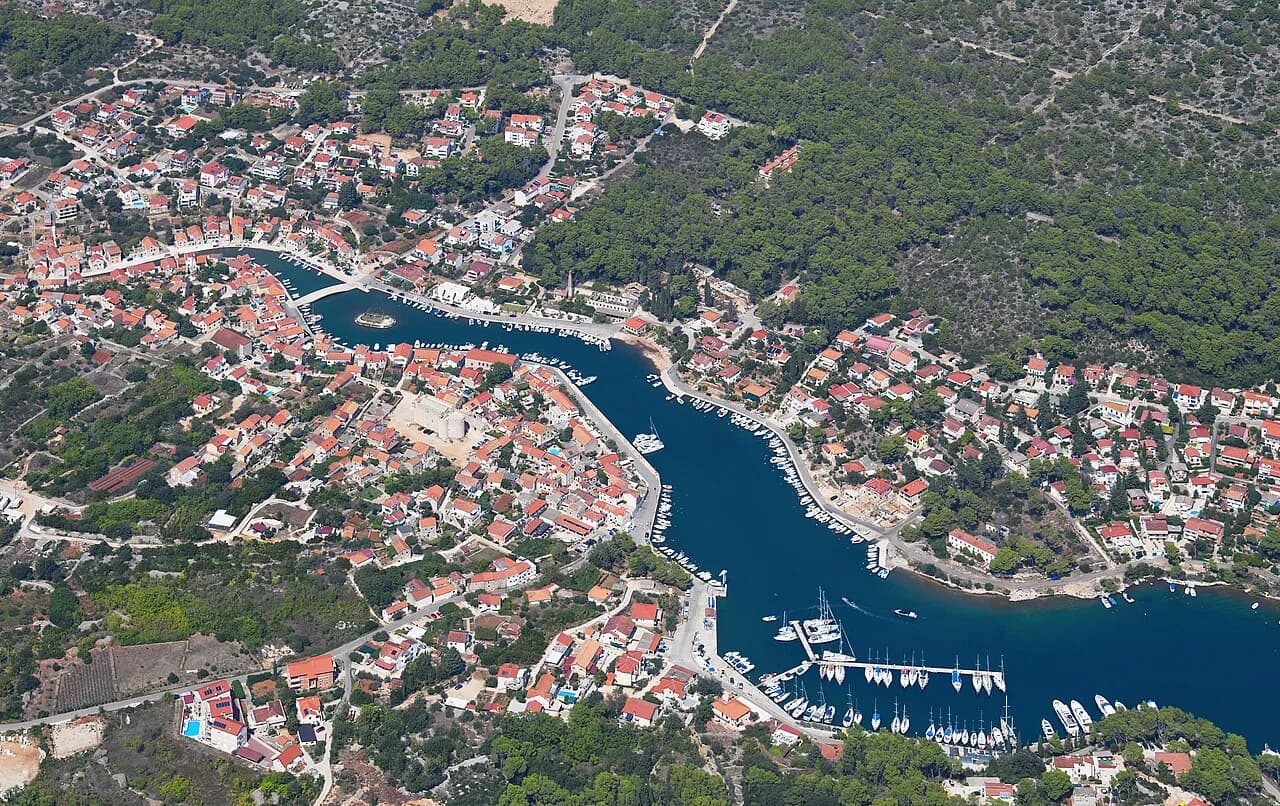
Vrboska occupies a long, narrow inlet on the north coast of Hvar, in the municipality of Jelsa, and was founded in the 15th century as a fishing settlement. Its neighbours are close: Jelsa is roughly a ten-minute walk east around the same bay, while Stari Grad, the island's other main harbour town, lies about 8 kilometres west. That geography is what makes Vrboska so easy to slot into a northern-coast day.
Stari Grad is the island's other main harbour town and the practical gateway for most arrivals, so Vrboska is a short bus ride or drive from there rather than a separate expedition. You can see the old harbour and the agricultural grid of the plain behind it on the same day in Stari Grad, Hvar.
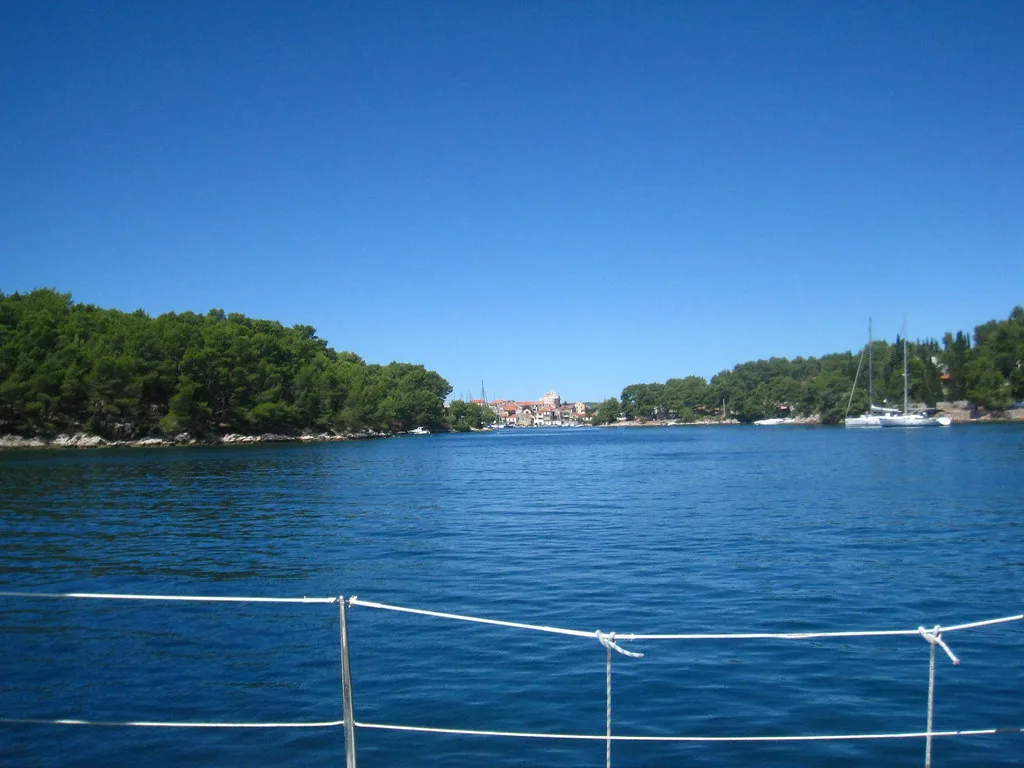
What Vrboska is like: the canal, the stone arch bridges and the harbour
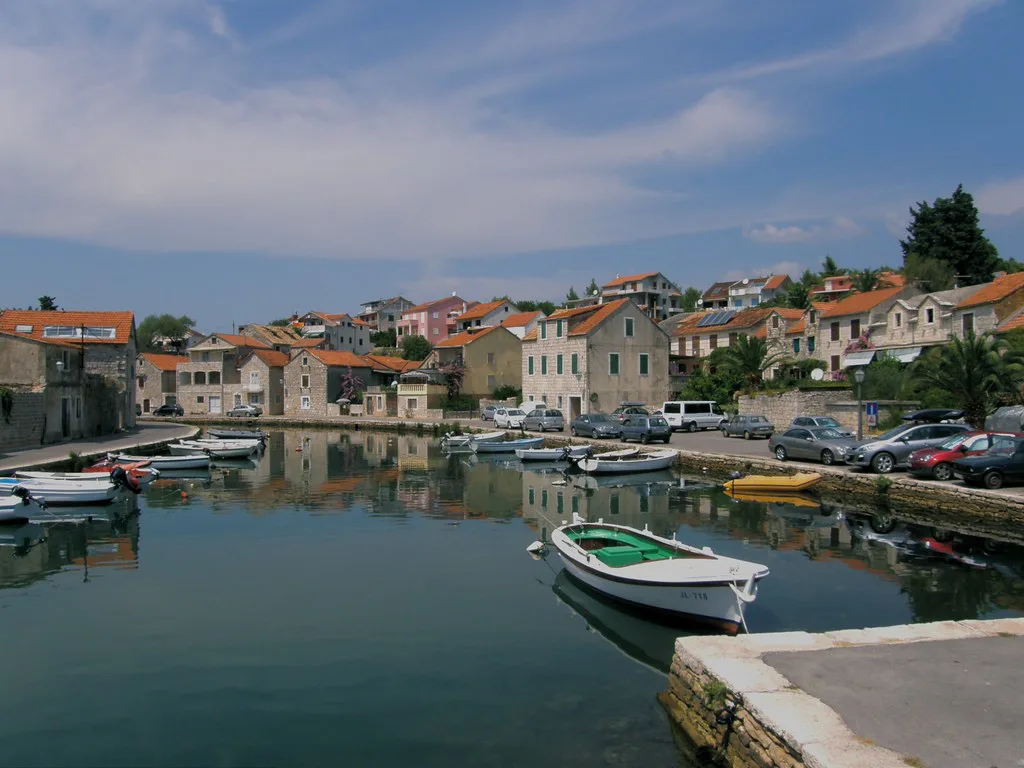
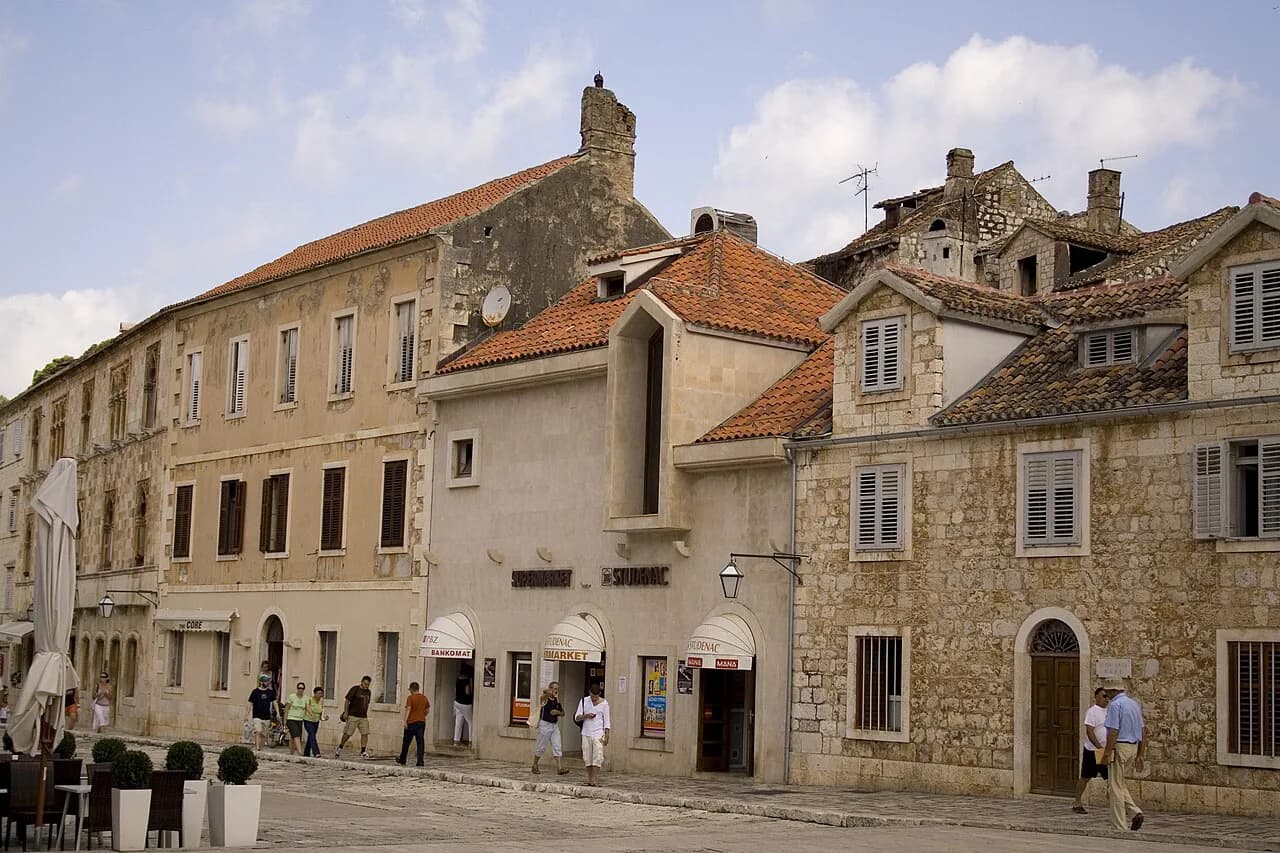
The village is built around a canal that runs inland from the harbour, lined with limestone houses and crossed by a cluster of stone arch bridges. That gaggle of bridges earned Vrboska its "Little Venice" nickname, and while the comparison flatters both places, the slow afternoon atmosphere on the water genuinely justifies the romance. The harbour is a working inlet where wooden fishing boats tie up, not a swimming spot, so treat the water as scenery and walk the quays instead.
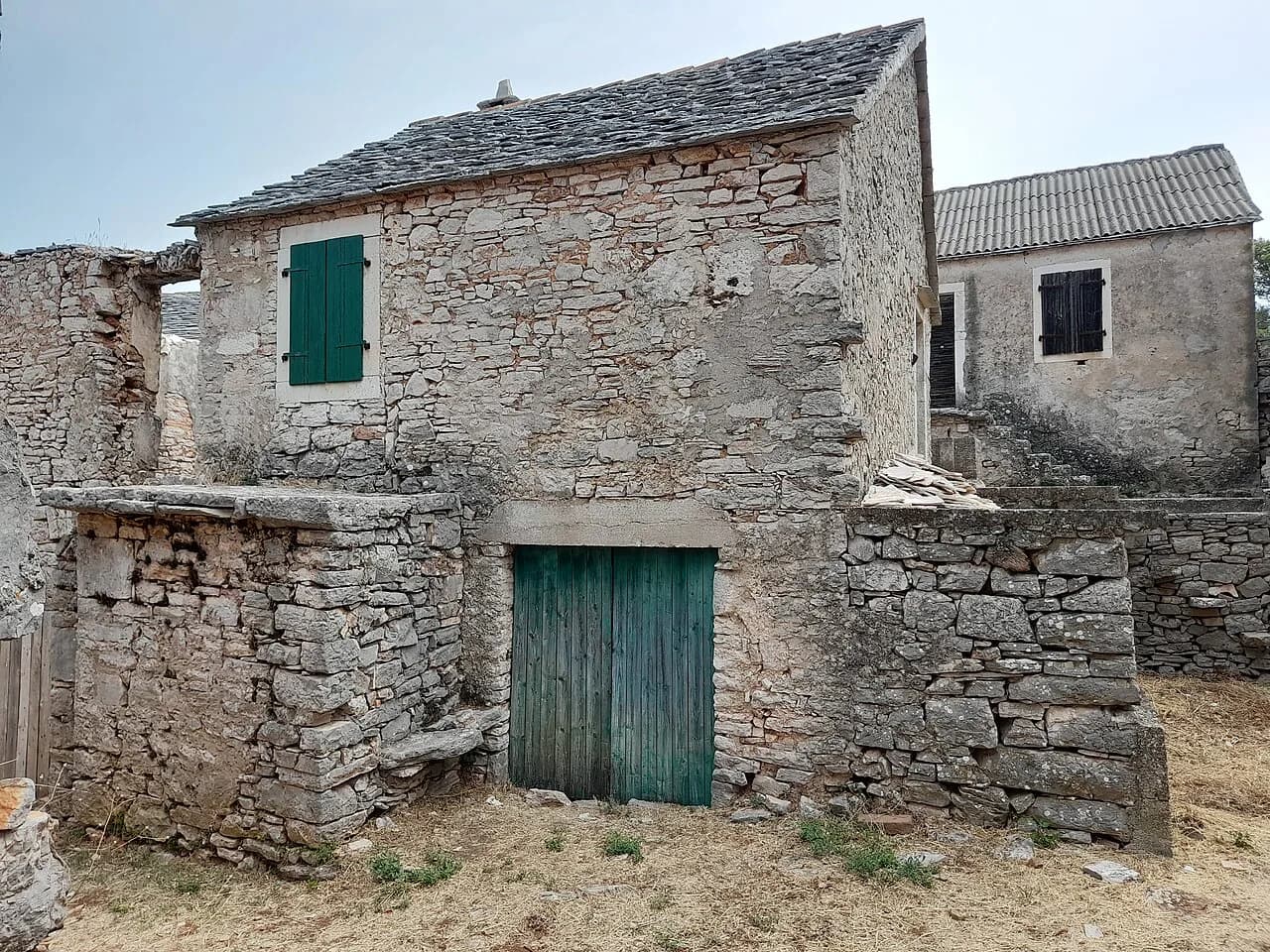
The lanes behind the canal are the real pleasure. Houses of pale stone, shutters, small gardens and almost no traffic make a loop of twenty minutes feel longer in the best way. There are beaches within walking distance of the village, best treated as an add-on to the walk rather than the reason to come.
Is Vrboska worth visiting, and how much time it needs
Yes, if you are already on Hvar for more than two or three days. As a standalone destination Vrboska is a half day rather than a full one, but paired with Stari Grad or a stroll over to Jelsa it fills a day comfortably. Arriving late afternoon works particularly well: the lanes are at their most atmospheric, the light on the harbour softens, and you are timed for an evening on the waterfront.
The trade-off is scale. There is no major museum quarter, no fortress-top viewpoint and no beach club; the appeal is the canal, the church, the museum and the pace. Travellers who want a full day of sights should base themselves elsewhere and treat Vrboska as the quiet counterpoint. Those who want somewhere to linger will find the village rewards a slow morning and a long lunch.
The fortress church of St Mary: what you see and why it is fortified
The fortress church of Saint Mary is Vrboska's defining landmark, a church built with defensive works that reflect the vulnerability of a coastal village after its 15th-century founding. The reward of walking up to it is a view back over the canal, the bridges and the rooftops. Allow twenty minutes for the walk up and the look around.
Check the church's opening arrangements locally before you build your day around going inside, since small Dalmatian churches keep limited hours outside the main season. The exterior and the viewpoint above the canal are the reliable part of the visit.
The Fishermen's Museum and the village's fishing past
The Fishermen's Museum is the one indoor sight worth planning around, a small collection that explains how a village founded on fishing actually lived. It suits Vrboska's character: modest, specific and rooted in the working harbour outside the door. Give it half an hour rather than an afternoon.
Entry charges and seasonal opening vary, so confirm the current arrangements at the museum door or through the local tourist board before setting out. It is the kind of place that opens for the season rather than all year.
A short walk through the lanes and along the Riva
Start at the harbour, follow the canal inland over one of the stone bridges, then thread the lanes uphill to the fortress church for the view back down. Descend on the other side of the inlet and finish on the Riva, the waterfront promenade, where the fishing boats and the evening light do most of the work. The whole loop is easy walking and takes an hour or so at a gentle pace.
Wear shoes that cope with smooth stone and steps, and keep an eye on boat traffic if you are near the water's edge in the inlet. The bura, the cold north-easterly wind, can funnel down the canal even on a bright day, so a layer helps outside high summer.
Getting to Vrboska by bus from Hvar Town and Stari Grad, by car or by scooter
Local buses run between Hvar Town and Jelsa via Vrboska, with summer services running up to ten times a day and a journey of around 45 minutes from Hvar Town. From Stari Grad the same route takes about 15 minutes. Timetables are published by Cazmatrans, so check the current schedule against your travel dates before relying on a particular departure.
Driving or scooting gives you the flexibility to stop along the northern coast, with the run from Hvar Town taking around 30 minutes through the hinterland. Rental firms cluster along the Hvar Town waterfront. Parking in a village this small is limited, so arrive earlier in the day in peak season.
When to go: May, September and October against July and August crowds
Late April to early June and September into October are the sweet spots: long days, warm water and a village that is quiet even by Hvar standards. Restaurants are relaxed and the pace makes it easy to stay longer than planned. July and August remain lovely, but the northern coast fills up and Vrboska feels it, so arrive early and stay into the evening if you come in high summer.
Outside the season, some places close or shorten their hours, and the village reverts to its few hundred year-round residents. If your trip depends on the museum or a particular restaurant being open, check current hours before you travel.
Combining Vrboska with Jelsa and Stari Grad in one day
Because Jelsa sits on the same bay about a ten-minute walk east, the obvious pairing is a morning in Vrboska and an afternoon in Jelsa, or the reverse if you arrive by bus from Stari Grad. Jelsa has the larger waterfront and more going on, which makes the contrast with Vrboska's single canal all the more striking.
Add Stari Grad and you have a full northern-coast day: ferry harbour, old town and the plain behind it in the morning, then Vrboska and Jelsa in the afternoon. If you have a car, the Stari Grad Plain, a UNESCO-listed agricultural landscape, sits between the two and is worth a detour on the way.
Practical points: late afternoon light, boat traffic and the bura
Late afternoon is the best slot for a day trip: the light is low, the lanes are quiet and you are in place for dinner on the Riva. Boats move in and out of the inlet through the day, so keep clear of mooring lines and don't treat the canal as a swimming pool. The bura can arrive without much warning and makes the north coast noticeably cooler than the sheltered south.
Keep some flexibility for the weather and for local opening patterns, and confirm bus times and museum hours for your dates before you set out. Beyond that, Vrboska asks very little of you: turn up, walk the canal, climb to the church and eat late.
Should Vrboska be a stop or a base?
Treat Vrboska as a stop if you are based in Hvar Town, and as a base only if you want a slow, quiet few days on the north coast with Jelsa and Stari Grad within easy reach. Either way, give it more than a photo stop: an hour on the canal, a walk up to the fortress church and a look round the Fishermen's Museum turn a quick glance into a proper visit.
Book your travel around the shoulder months if you can, and build the day around the late afternoon rather than the middle of it. Vrboska's appeal is its stillness, and the timing is what protects it.
Explore more Hvar guides
Frequently Asked Questions
Do you need a car to visit Vrboska?
No. Local buses run between Hvar Town, Vrboska and Stari Grad, and the village itself is small enough to cover entirely on foot. A car or scooter gives you more freedom to stop along the northern coast, though parking in a village this small is limited in peak season.
Can you walk from Vrboska to Jelsa?
Yes. Jelsa sits on the same bay roughly a ten-minute walk east of Vrboska, which makes the two easy to combine on foot in a single half day.
How long does the fortress church of St Mary take?
Allow about twenty minutes for the look around and the view back over the canal and rooftops. The church is Vrboska's fortress landmark; arrangements for going inside vary by season, so check locally before you build your day around it.
Sources
Notes from the Croatian coast
Optional updates when our guides change.
You might also like
Continue reading
More guides you'll find useful