
Hvar Fortress (Fortica): How to Visit and What to Expect

Hvar Fortress is worth the climb for the view alone, but treat it as a short, sweaty outing rather than a half-day museum. The stronghold sits on the hilltop directly above Hvar Town, on a site once occupied by an Illyrian settlement, and looks out over the rooftops, the harbour and the Pakleni Islands, so most visitors spend longer at the top than inside. This guide covers where Fortica stands, the steep climb, the effort involved and how to slot it into a few hours in town.
What Hvar Fortress is and where it stands above Hvar Town
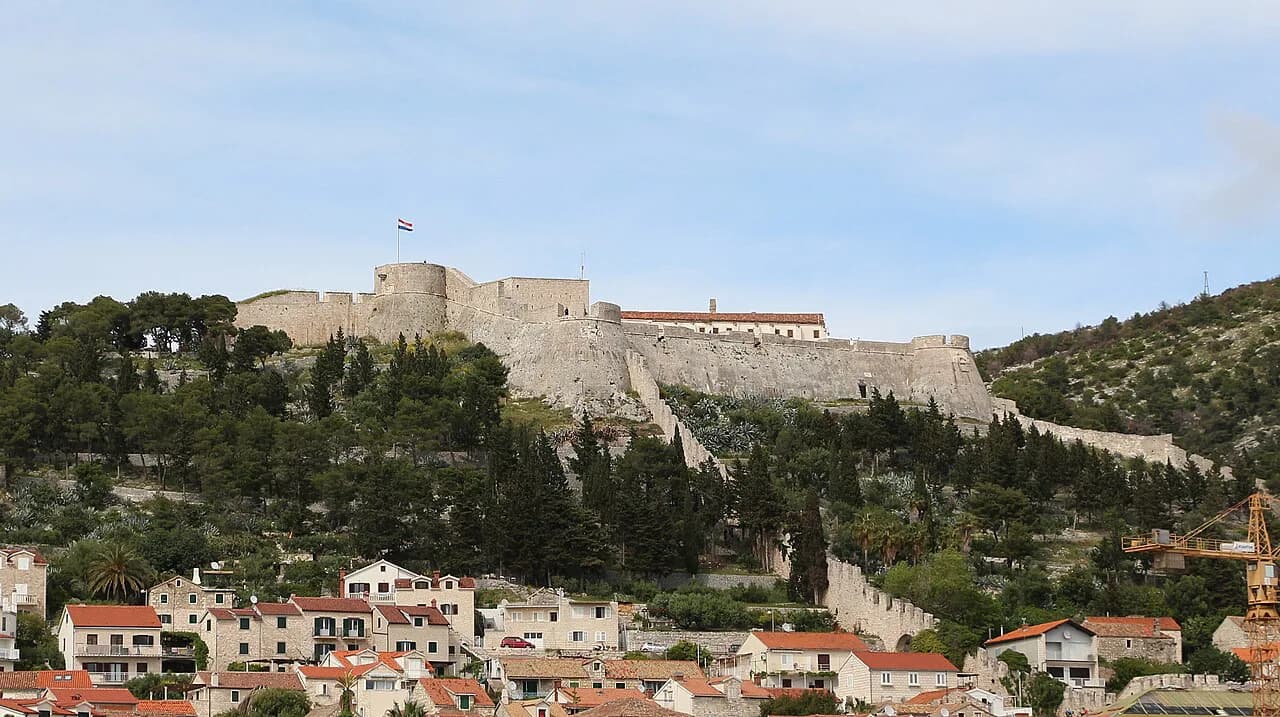
Fortica is the fortress crowning the hill behind Hvar Town, on a site once occupied by an Illyrian settlement, and positioned to watch over the harbour and the town below. The walls were built by the Venetians, and the visitor draw is the ramparts, the stone walls and the panorama. Because it sits directly above the old town, you can reach it on foot from the waterfront without any transport at all.
Fortica or Spanish Fortress: the names you'll see on signs and maps
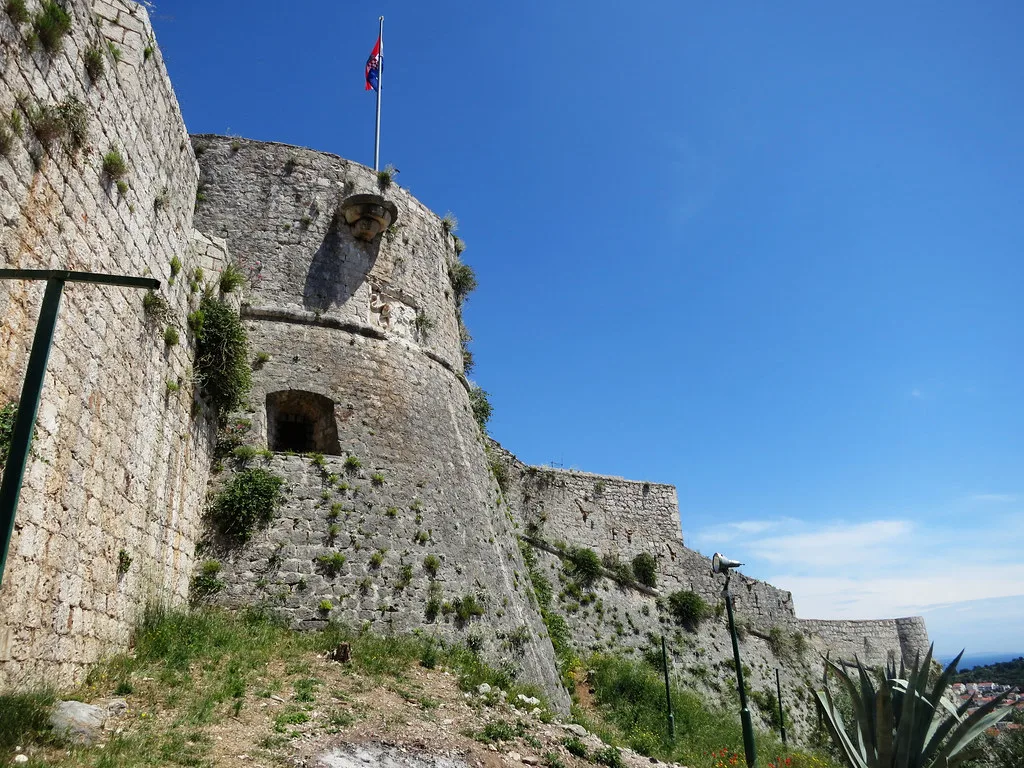
You will meet three names for the same place: Fortica, Spanish Fortress and Tvrđava Španjol. Spanish Fortress is the English nickname used in guidebooks and review sites — Tripadvisor lists it as the Hvar Spanish Fortress — while Fortica is the label most maps and signposts use. Recognise all three as one sight so you do not go looking for separate fortresses.
The English nickname is simply how English-language listings render the name; it does not indicate a separate building. If a sign, a map or a taxi driver says Španjol, you are still heading to the same hill above Hvar Town. Keep the Croatian spelling to hand when searching online.
The climb from Hvar Town to Fortica: route and how long it takes
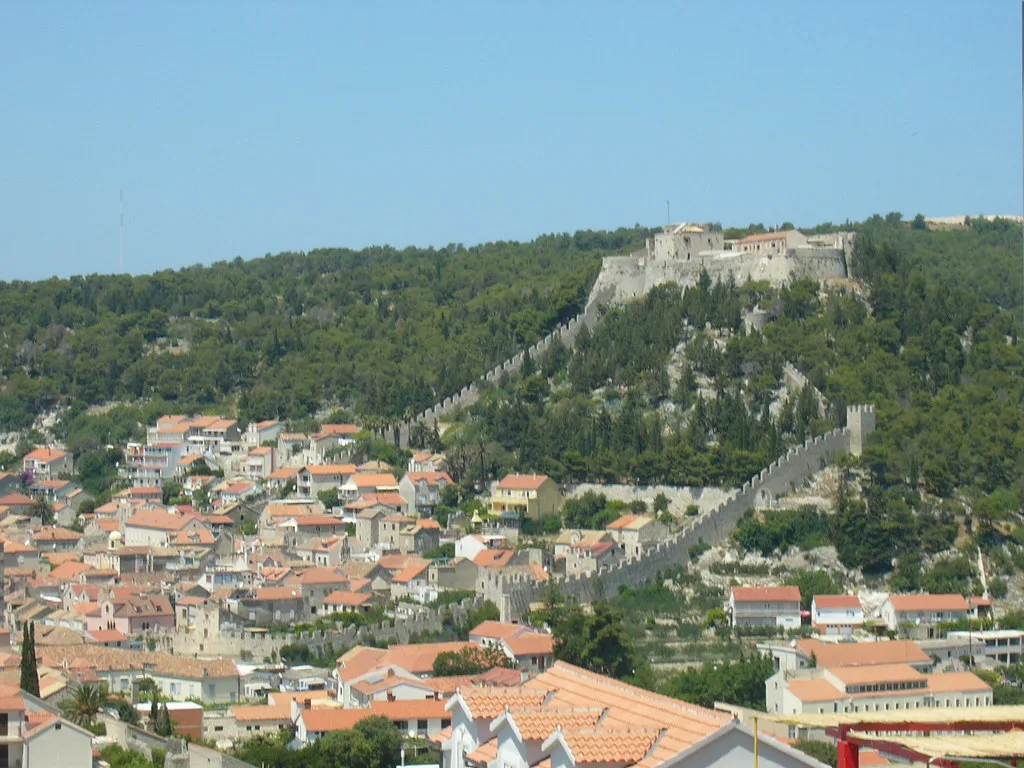
The approach from Hvar Town is a steep but scenic climb uphill through the lanes, becoming rougher as you near the walls. It is short in distance but consistently steep, with stone steps and loose sections that demand proper shoes rather than sandals. Allow around 20 to 30 minutes up at an unhurried pace, and rather less coming down.
Because the path is exposed for much of its length, there is little shade on the way up. Start from the upper edge of the old town and simply keep climbing towards the walls; the route is well enough trodden that you rarely need a map. Carry water, and plan the descent before the light fades if you are going late in the day.
How hard the walk is, and when to consider turning back
The climb is harder than the map suggests: short, but steep and hot, with uneven stone underfoot. Anyone with knee trouble, very young children or limited stamina should treat it as a serious walk rather than a stroll. The view opens up quickly, so turning back partway still gives you a decent prospect over the rooftops.
If the ascent worries you, weigh the trade-off before setting off: a vehicle can cut out the climb for those who want the view without the effort, but the road approach and any drop-off point should be confirmed in town rather than assumed. Walking up and riding down is easy on the knees, though arranging a return at short notice may not be. The steadier option is simply to climb slowly with rests.
What you see inside and around the fortress: walls, ramparts and the view over the town and Pakleni Islands
Inside, the fortress is largely open ground ringed by thick stone walls, with the ramparts and the panorama as the main draw. The visit is about standing on the walls and reading the shape of the defences rather than touring furnished rooms. Look for the way the walls follow the contour of the hill.
The panorama is the real attraction: Hvar Town's red roofs and harbour below, the Pakleni Islands strung out offshore, and on a clear day a long stretch of the Dalmatian coast. Bring a camera with some reach, as the best compositions need a little zoom to compress town and islands together. The light is best early or late, when the sun is low and the haze thinner.
How much time to allow at the top
Most visitors need 30 to 45 minutes on the hilltop itself: a turn around the ramparts, a long look at the view and a few photographs. Add the ascent and you are looking at roughly an hour to 90 minutes for the whole outing from the old town. That fits comfortably into a morning or late afternoon without crowding out the rest of Hvar Town.
Tickets and opening hours: where to confirm them for your dates
Opening arrangements at Fortica follow the season, so the pattern in high summer is not necessarily the one that applies in spring or autumn. Check at the entrance when you reach the site, and confirm before you commit to a late-afternoon climb outside the main season.
Treat any entry price you see quoted elsewhere as provisional and confirm the amount at the gate for your dates. Croatian prices are quoted in euros, and card payment is common at Dalmatian attractions, though carrying some cash avoids a wasted trip if a card reader is down.
Best time of day to climb: heat, crowds and cruise-ship mornings
Climb early in the morning or in the last couple of hours before closing, when the heat eases and the light is better for photographs. Midday in high summer is the worst window: full sun on an exposed path and the busiest stretch at the top. On days when cruise ships are in, Hvar Town fills quickly, so go early or late to avoid the crush.
Late afternoon has the advantage of softer light over the Pakleni Islands, but you need enough daylight left for the descent. In shoulder season the midday heat is far less punishing, so the timing matters mainly in July and August.
The bura wind and exposure on the upper walls
The bura is the cold, gusty northerly wind that can sweep the Dalmatian coast, and on an exposed hilltop you feel it far more than in town. When it blows, the upper ramparts are uncomfortable and the steps demand care, particularly where the track is loose. A light windproof layer earns its place even on a warm day, and a hat that ties on is better than one you chase downhill.
Nearby after the fortress: Hvar Town's squares and waterfront
Back in town, the natural next stop is the main square, Trg svetog Stjepana, with St Stephen's Cathedral at its head and the waterfront Riva running along the harbour below. The Hvar Arsenal and its theatre sit on the square side, so you can drop from the fortress straight into the town's civic core. The clock tower by the Loggia is a useful landmark to steer by when the lanes confuse you.
A short walk from the square, the Franciscan Monastery Hvar sits near the water on the town's quiet edge, with a cloister and a collection worth half an hour. The Hvar Heritage Museum and the Benedictine Monastery Hvar give you indoor options if the heat or the bura drives you off the hill. For a fuller list of what is in town, work through the Hvar Attractions: 11 Visitor Guides before you plan your day.
What to skip or combine if you have a short stay on Hvar
With only a few hours ashore, take the fortress first and give the town's squares and waterfront the time that remains. The climb and the view together make the strongest single impression, and everything else is a short walk away at the bottom. If the day is hot and crowded, do the town early and climb later when the tour groups have thinned.
Is the climb to Fortica worth it?
Yes, if you can manage a steep 20 to 30 minutes uphill and want the best single view of Hvar Town and the Pakleni Islands. Go early or late to dodge heat and cruise-ship crowds, wear shoes with grip and take water. If the climb is not for you, confirm in town whether a lift by vehicle can spare you the effort.
Explore more Hvar guides
Frequently Asked Questions
Do you have to pay to enter Hvar Fortress?
Treat the entrance price as something to confirm at the gate for your own dates rather than a fixed figure. Croatian attractions are priced in euros.
How long does the walk up to the fortress take from Hvar Town?
Allow around 20 to 30 minutes for the ascent at an easy pace, plus 30 to 45 minutes on the ramparts for the view. The path is short but steep and much of it is exposed to the sun.
Is the climb to Fortica suitable for children or older visitors?
Older children generally manage it, but the steps are uneven and there is little shade, so take it slowly. For older visitors or anyone with knee problems, ask in town whether a vehicle can take you up.