
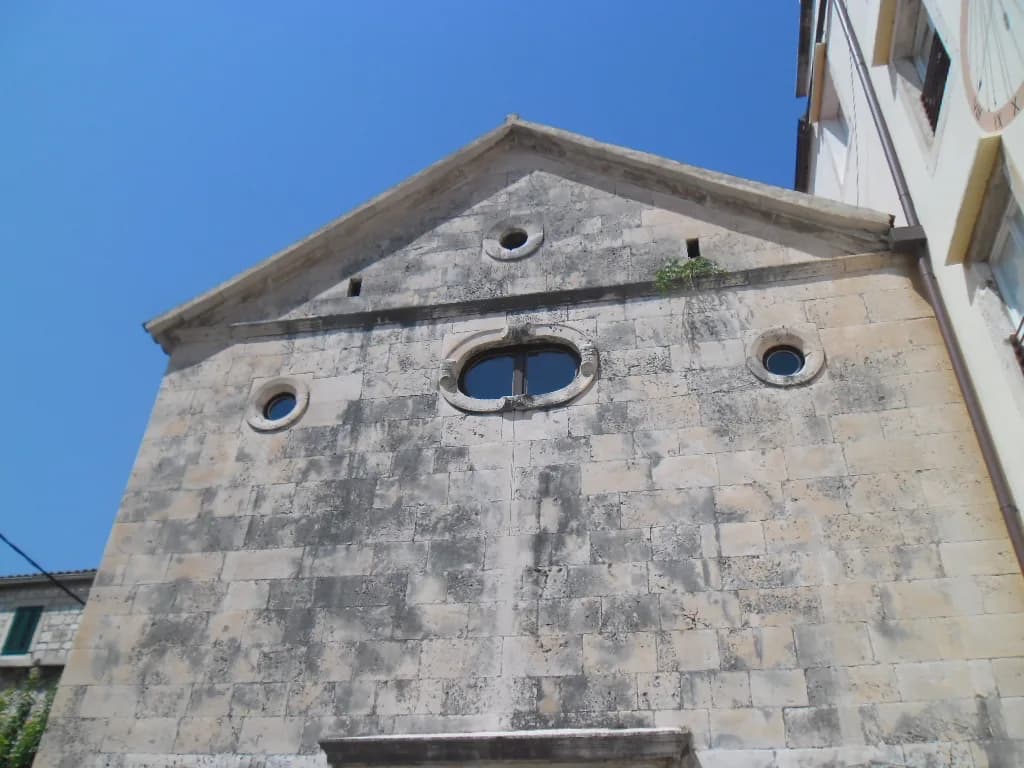
Benedictine Monastery, Hvar: what to see at the agave lace museum

The Benedictine convent in Hvar town is worth 20 to 40 minutes of your day, and the agave lace made by its nuns is the reason to go in. It is a small working convent rather than a museum building, tucked into the old town a short walk from the Riva, and the visit slots neatly between the harbour and the climb to the fortress. This guide covers where the convent sits, how to reach it on foot, what the lace is, what entry costs and how much time to allow.
Where the Benedictine convent sits in Hvar town
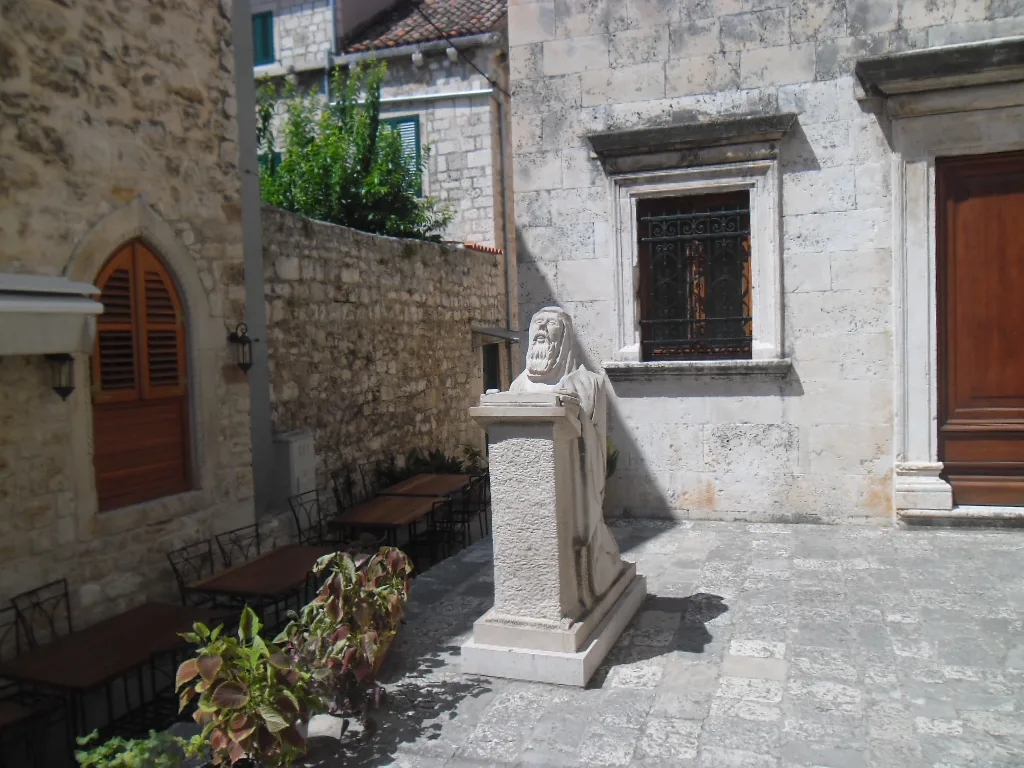
The convent stands in the heart of Hvar town's old core, in the residential compound once belonging to the poet Hanibal Lucić, above the waterfront and behind the main square. Look for a plain stone church and convent entrance rather than a signposted museum frontage, because the lace collection sits inside a working religious house. Use the main square, Trg svetog Stjepana, as your reference point and walk uphill into the lanes behind it. The streets are narrow and unsignposted, so a map on your phone is more useful than street names here.

How to reach it on foot from the Riva
Everything in Hvar town's centre is walkable, and the convent is no more than a few minutes uphill from the Riva, the waterfront promenade where the catamarans and ferries tie up. From the harbour, follow the Riva east to the main square, pass the Arsenal and the clock tower, then take the lanes climbing north behind the square. The route is stepped in places, so it suits flat shoes rather than anything smarter. If you arrive by Jadrolinija or Krilo from Split or the islands, you can walk to the convent and back well inside the time it takes to drink a coffee on the Riva.

The convent's story in brief
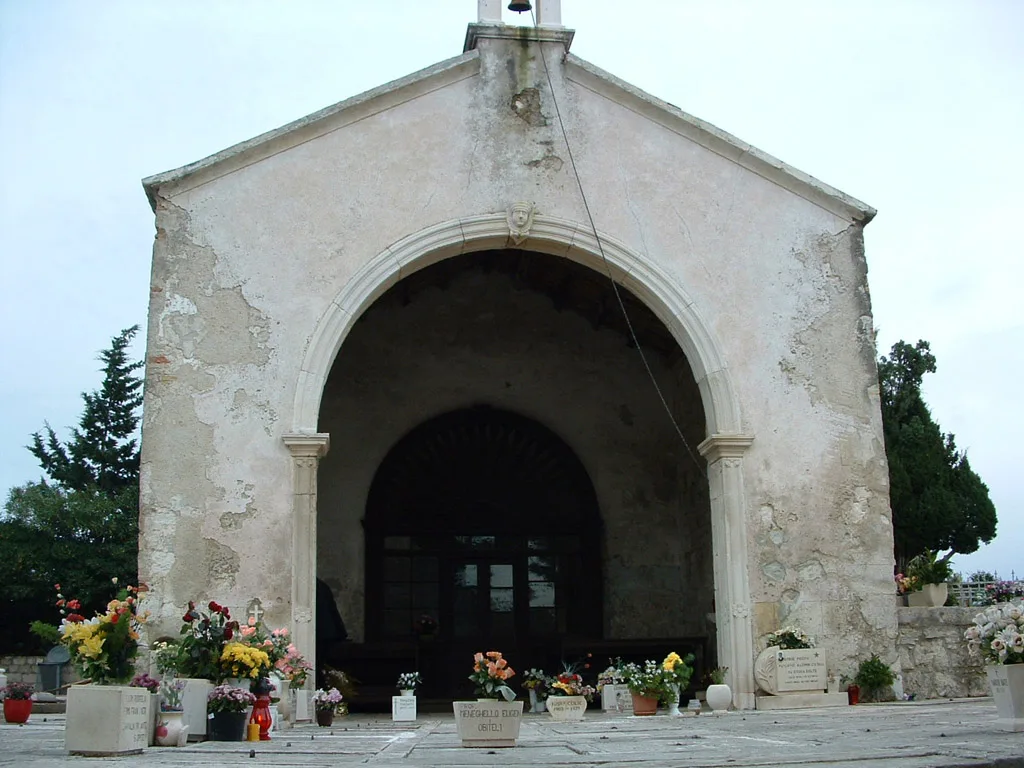
The Benedictine Convent was founded in 1664 in the family compound of the poet Hanibal Lucić, who left the property to the Benedictines in his will. The first nuns came from the island of Rab, and the community has been continuously active ever since. The convent's educational work included a girls' elementary school that ran from 1826 to 1886, which tells you how central the house once was to town life. Today it is best known for its agave lace, a craft practised there since the 19th century.
The agave lace museum: what you are looking at
The lace is made from thin white threads pulled from fresh agave leaves, harvested at a particular time of year and processed by hand before weaving. That material is what makes the Hvar tradition distinct from Croatia's other lace centres: Lepoglava works in bobbin lace and the island of Pag in needle point, while Hvar's lace comes from a plant. The finished pieces are woven into patterns and the lace is treated as the symbol of Hvar island. Inside, expect a small display devoted to the lace and its making rather than a large museum gallery.
The display sits inside a working convent, so treat the visit as a short, quiet stop rather than a full museum. Allow 20 minutes if you simply want to see the lace and read the displays; allow 40 minutes if you want to look closely at the patterns and take in the setting. Photography rules and any restrictions inside are set by the Benedictine community, so ask at the entrance.
Agave lace and the bora wind
By tradition, the lace threads cannot be made while the bora blows, because the cold dry air makes the fine fibres fragile. That rule is part of the craft's working knowledge rather than a piece of visitor folklore, and it explains why production is seasonal and weather-dependent. There is no need to time your visit around the wind; the display does not depend on a lace-making session.
UNESCO recognition in 2009
Hvar's agave lace was inscribed on the UNESCO World Intangible Heritage List in 2009 as part of Croatian lacemaking, alongside the Lepoglava and Pag traditions. It is an intangible heritage listing for the skill itself, not a World Heritage designation for the convent building, so do not expect the convent to appear on Croatia's World Heritage roll alongside Diocletian's Palace in Split or the old town of Trogir.
The convent's other work
Beyond the lace, the community's long educational role is the detail that gives the visit its context. The girls' school that ran from 1826 to 1886 shows a convent embedded in the town's daily life rather than set apart from it. The convent has remained continuously active since the first nuns arrived from Rab, which is why you are visiting a living house rather than a preserved monument. Keep that in mind when you decide how long to linger.
Ticket price and what it covers
Entry to the lace museum has been reported at around five euros, covering the display. Treat that as the museum entry figure and confirm it at the door, since the community sets its own charges. Croatia uses the euro, so any kuna figure you see in older material is historical.
Timing your stop in the day
Hvar town fills up through the middle of the day when cruise passengers and day-trippers arrive from Split, and the narrow lanes around the main square become slow going. Slot the convent in early, before the ferries disgorge their passengers, or later in the afternoon once the day crowds head back to the harbour. A 20-minute lace stop fits neatly between a coffee on the Riva and the walk up to the Hvar Fortress (Fortica), when you are already heading uphill. The interior is small, so a group arriving at the same time can make the display feel cramped.
Buying lace on site
The convent is a working house, not a shop, so do not count on buying lace on the spot; ask at the entrance whether pieces are available. If you do buy, budget for something small and packable: lace folds flat and weighs little, which suits carry-on luggage. Ask whether the piece was made in the convent, because that is the point of buying here. Carry some cash as a precaution.
What is nearby
The convent sits within a few minutes of Hvar town's main sights, so you can build a half-day around it without needing transport. St Stephen's Cathedral, the clock tower and the Arsenal are all on or just off the main square, and the Franciscan Monastery, Hvar, near the harbour end of the Riva, is another short church visit. For the wider picture of what else the town holds, work from the Hvar Attractions: 11 Visitor Guides and pick two or three stops rather than trying to cover everything.
Above the town, the fortress gives you the best view back over the roofs and the Pakleni islands. The city walls on the same slope offer a shorter alternative if you are short of time. Pair one of them with the convent rather than doing both on the same hot afternoon.
Practical constraints inside
Interiors in Hvar town's old core are small, and the convent is no exception, so keep voices low and expect limited space around the display. There are steps on the approach lanes and inside the building, which matters if anyone in your group has trouble with stairs. In July and August, aim to visit around midday crowds, either earlier or later, to avoid the busiest crush. Check current opening days and any seasonal closure with the Stari Grad tourist office before you make the walk.
Should the convent make your Hvar shortlist?
Yes, if you want one small, genuinely local sight alongside the fortress and the squares, and you are interested in craft rather than scale. Skip it if your time in Hvar town is down to a couple of hours and you would rather spend them on the ramparts and the harbour. Either way, place it on the uphill leg of your walk so it costs you no extra distance.
Explore more Hvar guides
Frequently Asked Questions
Is the Benedictine Monastery in Hvar worth visiting?
It is a short, inexpensive stop built around a craft you will not see elsewhere on the coast. The agave lace is the reason to go in, and 20 to 40 minutes covers it comfortably. If you only have a couple of hours in town, the fortress and main square will give you more for your time.
Do you need to book the agave lace museum in advance?
No advance booking is described for the small display. Ask at the entrance about current opening days and whether booking is expected, since the community sets its own arrangements and these can change with the season.
Is photography allowed inside the convent?
Photography rules are set by the community, so ask at the entrance before taking pictures. It is a working convent rather than a public gallery, and discretion inside the building is the safe default.