Lumbarda, Korčula: What to See and How to Get There
Lumbarda sits on Korčula's eastern tip, 7 km from Korčula town. See what the village holds, how the bus and bike routes work and how long it needs.
On this page
Lumbarda is worth a half-day from Korčula town: a compact seaside village about 7 km east of the old town, with a waterfront promenade, stone lanes, a hilltop church and islets offshore. It is small enough to walk in an afternoon, and the pleasures are quiet ones — a short ride out, a stroll through the centre, a look at the Lastovo Channel and a glass of the local Grk. This guide covers where the village sits, how the bus and bike routes from Korčula town work, what to see in the centre and around it, and whether Lumbarda works better as a base or an outing.
Where Lumbarda sits on Korčula
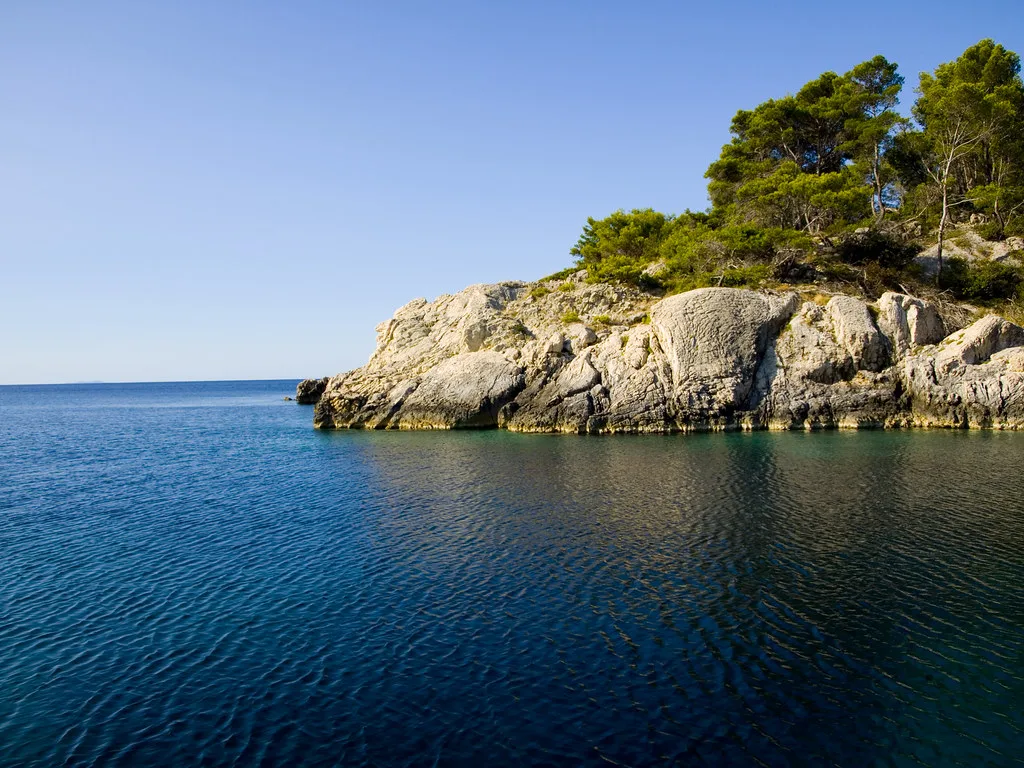
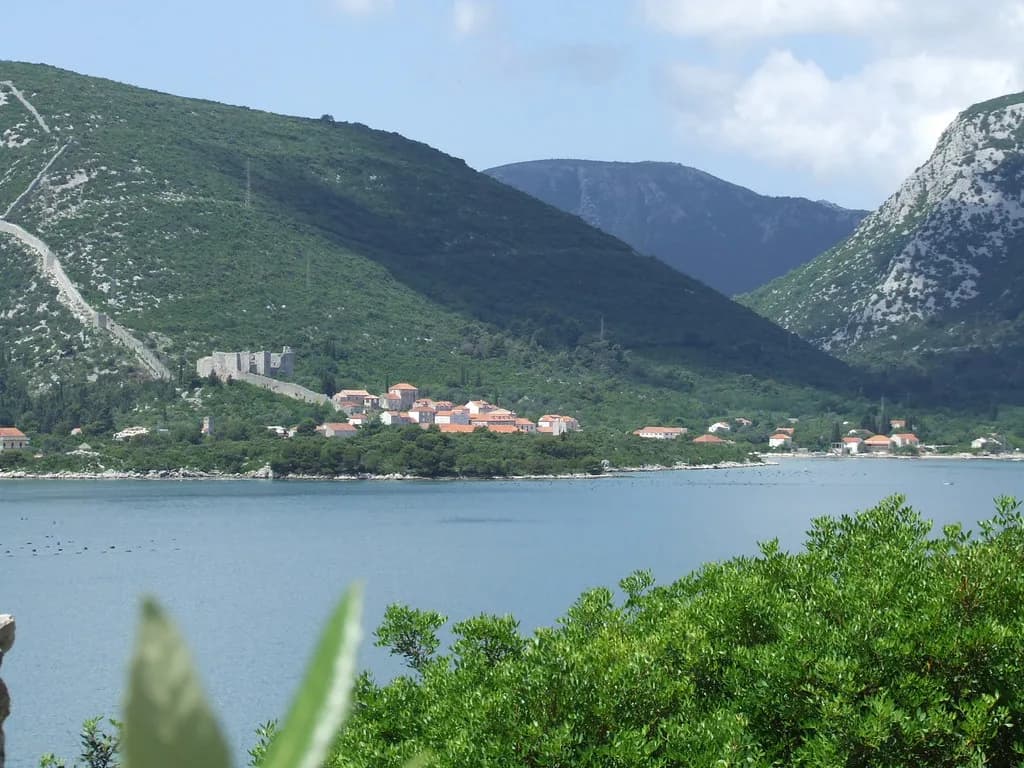
Lumbarda is a village and municipality at the eastern end of Korčula, roughly 7 km from Korčula town, which makes it the nearest proper settlement east of the old town. That short distance is the reason it works so well as a half-day: you are not committing to a ferry or a long drive, just a hop along the island's eastern tip. The village faces the Lastovo Channel, and the open water to the south-east shapes both the light and the outlook from the waterfront.
Getting from Korčula town to Lumbarda
The simplest connection is the local bus, which runs between Korčula town and Lumbarda in about 15 minutes; the service is described as operating daily from 7 a.m. to 7 p.m., so plan your return leg inside that window. Cycling is the more rewarding option if you have the legs for it: the ride is under 4 miles, with coastal viewpoints and vineyard and olive-grove scenery along the way, and bike rentals are available in the area. The trade-off is straightforward — the bus is quicker and weather-proof, the bike gives you the views and the freedom to stop. Check current bus timetables before travelling, as schedules can vary by season.
The village centre, the Riva and Prvi Žal
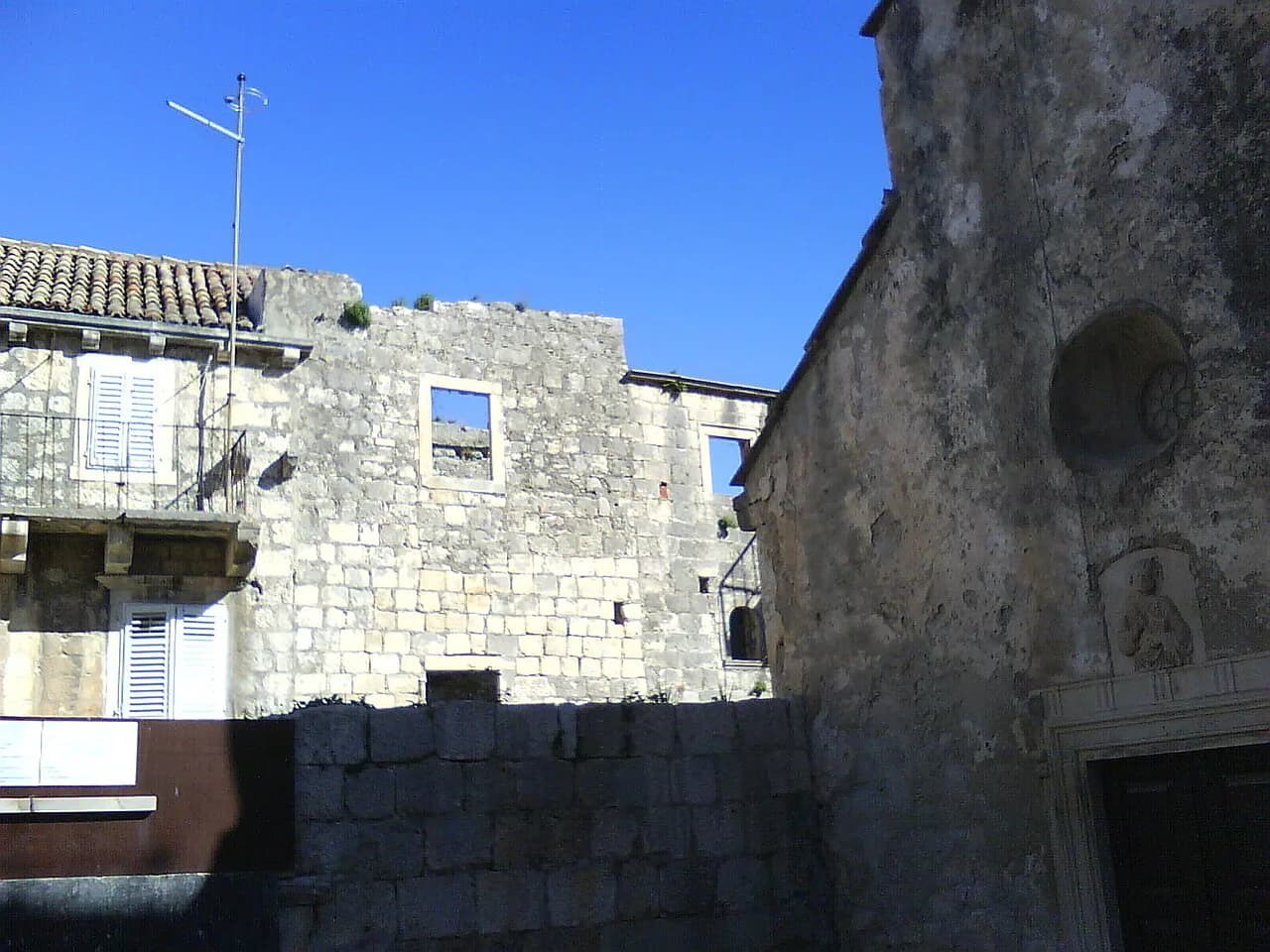
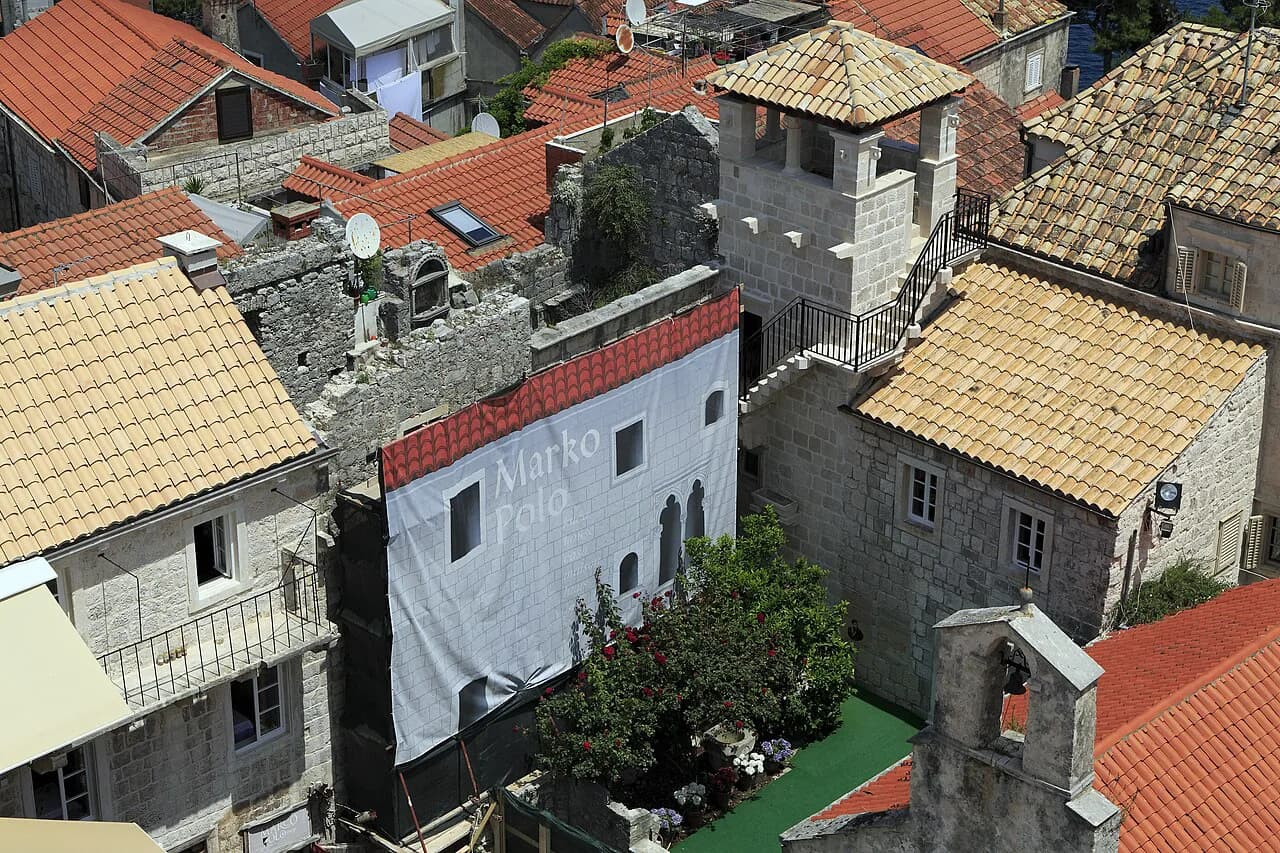
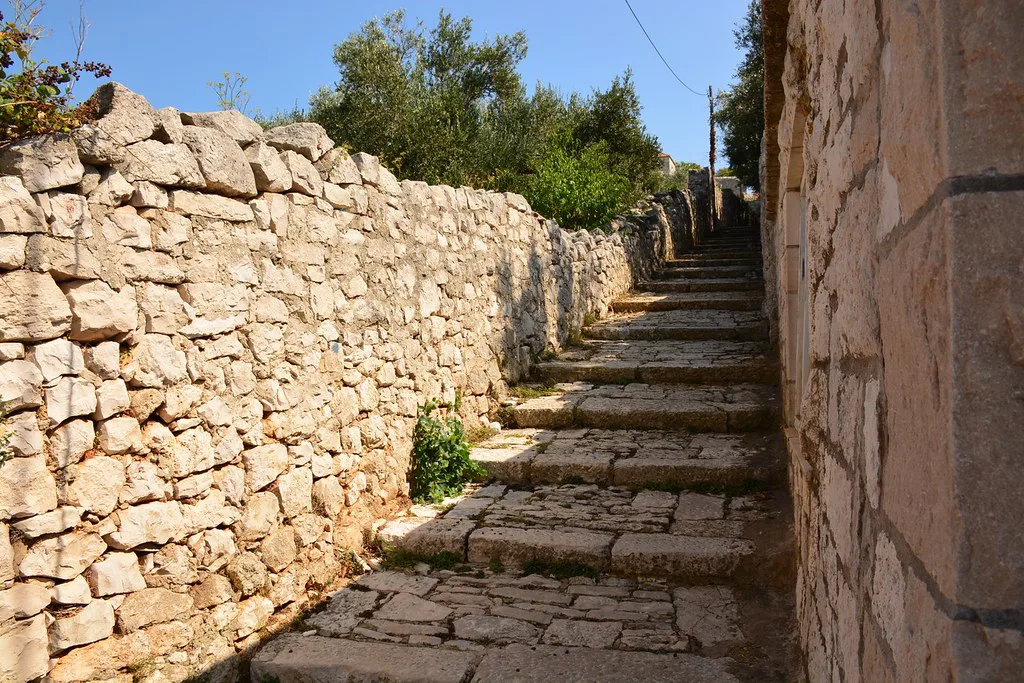
Lumbarda's centre is built around its waterfront, where the Riva runs along the shore and the stone-walled lanes lead back into the village. Prvi Žal is the most central beach, sitting right along the waterfront promenade in the heart of Lumbarda, and it is where you will find sea kayaks and jet skis for hire. Walk inland from the Riva and the lanes narrow into the older residential core, which is the part of Lumbarda most visitors skim past on the way to a winery.
Give the centre an hour on foot: the Riva first, then a loop through the lanes behind it, looking for the murals painted on stone walls that tell the story of the village. These are part of the streetscape rather than a ticketed exhibit, so they fit naturally into a walk through the centre.
The Greek inscription and the Roman villa
Lumbarda's historical draw is the Greek inscription, the record of a Greek settlement here in the 3rd century BC; the Greeks who settled in Lumbarda brought their agriculture with them, which is the origin of the village's long association with wine. Just outside the village are the ruins of an ancient Roman villa, a reminder that this eastern tip was settled and farmed long before Korčula town became the island's centre. Together they justify walking the centre properly rather than treating Lumbarda as a lunch stop.
The Church of St. Roch above the village
The 18th-century Church of St. Roch sits above Lumbarda in a scenic spot overlooking the village, and it is the natural end point of a walk up from the Riva. The climb is short but gives you the one elevated view of the village, the waterfront and the water beyond that you cannot get from the lanes. Check locally for whether the church itself is open when you visit; the exterior and the outlook are the reason to make the walk.
The islets offshore and the Lastovo Channel
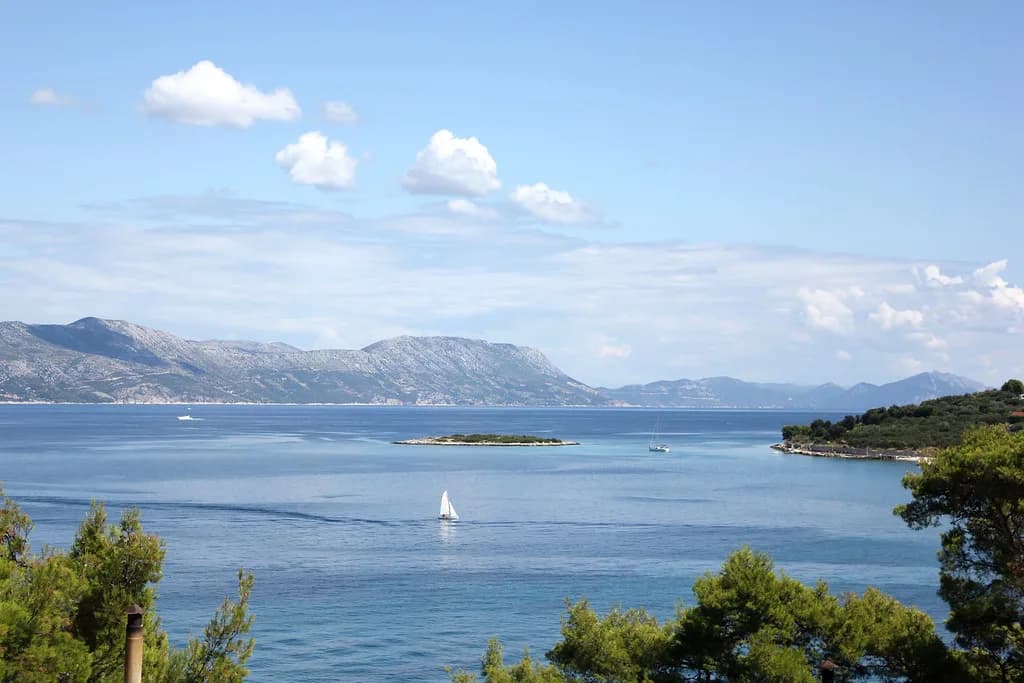
Lumbarda looks out over the Lastovo Channel, and the islets offshore are the reason the village's shoreline reads as more than a single beach. The water here is clear and open to the south-east, and the outlook from the Riva and from Vela Pržina takes in the channel and the islands beyond. For a village of this size, the sense of open sea is unusually strong — it is what separates Lumbarda from the enclosed lanes of Korčula Old Town.
Grk, the wine that grows only here
Lumbarda is known for Grk, a dry white wine made from a grape grown essentially only around this village; there are fewer than 50 hectares of Grk vines on the island. Family-run wineries around Lumbarda offer tastings, including Zure, Bire and Vitis, and because yields are small and little is exported, this is the place to try it. Tastings are a pleasant extra rather than the whole reason for coming.
Vela Pržina and the beaches in brief
Most Korčula beaches are pebbly, but Lumbarda has sandy ones, and Vela Pržina is the largest and best known, backed by vines and facing the Lastovo Channel. It is popular rather than secluded; if you want quiet, head to the eastern end, while the western end draws visitors and local families. Prvi Žal, in the centre, is the convenient choice if you would rather not walk far from the Riva.
How long Lumbarda needs, and whether to base here
Allow half a day: a bus or bike ride out, an hour in the centre, the walk up to St. Roch, a look at Vela Pržina and, if you want, a tasting. That is enough to see the village properly without rushing, and it leaves the rest of the day for Korčula town. As a base, Lumbarda suits travellers who want quiet, water and wine rather than sightseeing on the doorstep — Korčula Old Town, with St Mark's Cathedral and the daily life of the walled centre, is a short bus ride away rather than a stroll.
If you are touring the island, Lumbarda pairs naturally with the rest of Korčula's settlements: Vela Luka at the western end and Račišće on the northern coast. Each has a different character, and seeing them by car or bus makes the island's shape clear in a way that staying in one place does not. The wider island guide shows how the settlements and the old town fit together.
When to go: crowds and the season
Summer brings the crowds, and Vela Pržina's popularity means the beach and the village centre feel busy in high season. Out of season, Lumbarda reverts to a working seaside village — quieter lanes, emptier waterfront and a slower pace — which suits walkers more than swimmers. The bus window of 7 a.m. to 7 p.m. is the published daily service, so check the current timetable before relying on a late return.
Half-day from Korčula town, or a quiet base?
Treat Lumbarda as a half-day from Korčula town unless you want a quiet base with water on the doorstep: the bus takes about 15 minutes, the bike ride under 4 miles, and the centre, the church and the beaches fill an afternoon comfortably. The Korčula: a practical guide to the island, its old town and getting around sets out how the settlements, the old town and the ferry connections fit together.
Explore more Korčula guides
Frequently Asked Questions
How do I get from Korčula to Lumbarda?
Take the local bus from Korčula town, which takes about 15 minutes and is described as running daily from 7 a.m. to 7 p.m. Alternatively, cycle: the ride is under 4 miles, with coastal and vineyard views, and bike rentals are available. Check the current timetable before relying on a late return.
Is Korčula, Croatia expensive?
Croatia uses the euro, and Korčula is one of the pricier islands in summer, when accommodation and eating out cost more than on the mainland. Lumbarda itself is a village rather than a resort, so a half-day there costs little beyond transport and any wine tasting you choose. Prices change by season, so check current rates directly.
Is Lumbarda worth visiting?
Yes, if you want a quiet half-day out of Korčula town: the Greek inscription and Roman villa ruins, the Church of St. Roch, the Riva and Prvi Žal, and the Lastovo Channel views justify the trip. It suits walkers and wine drinkers more than anyone looking for nightlife or a full day of sightseeing.
Sources
Notes from the Croatian coast
Optional updates when our guides change.
You might also like
Continue reading
More guides you'll find useful