Marco Polo House in Korčula: Legend vs. What You'll See
Korčula's Marco Polo House is a tradition-linked site in the old town, and the nearby Marko Polo Centar covers his life and legacy. What the claim rests on.
On this page
Treat the Marco Polo sites in Korčula as a short stop rather than a half-day out: the house is tied to the tradition that the explorer was born here, and the Marko Polo Centar presents his life and legacy. This guide separates the two places visitors tend to merge and explains what the birthplace claim actually rests on, so you can fold both into a walk through the old town. Check current opening and tickets at the Marko Polo Centar and the house on arrival before you build a day around either.
What and where the Marco Polo House is in Korčula town
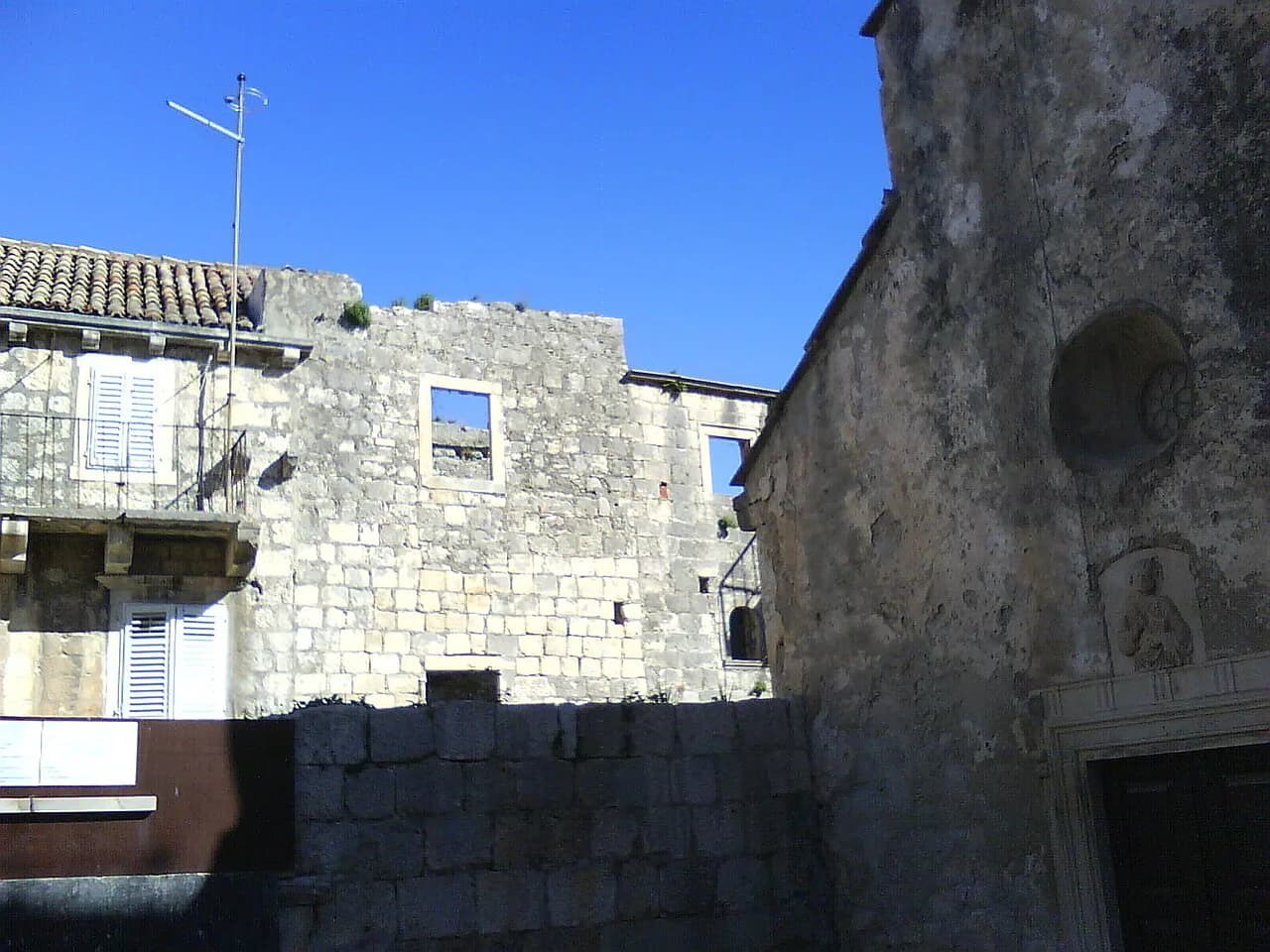
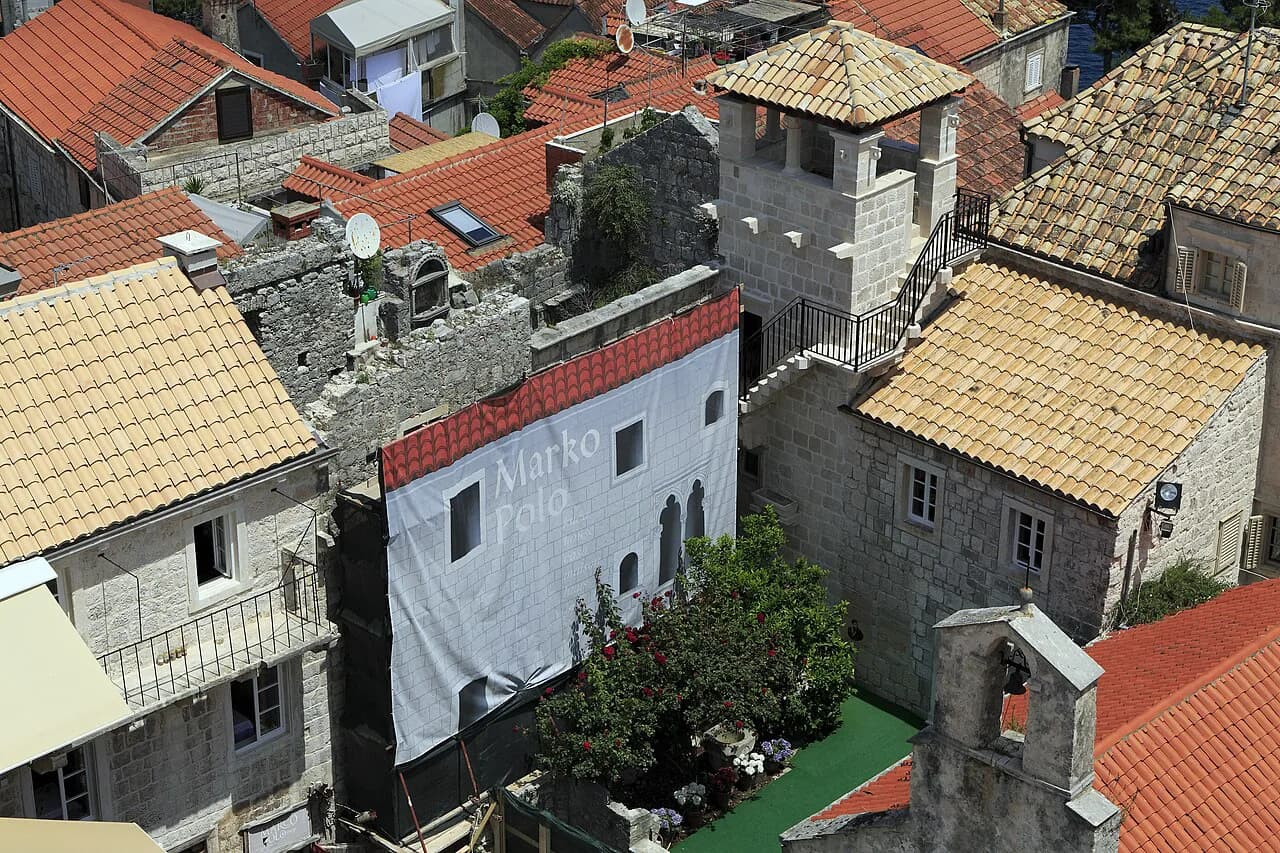
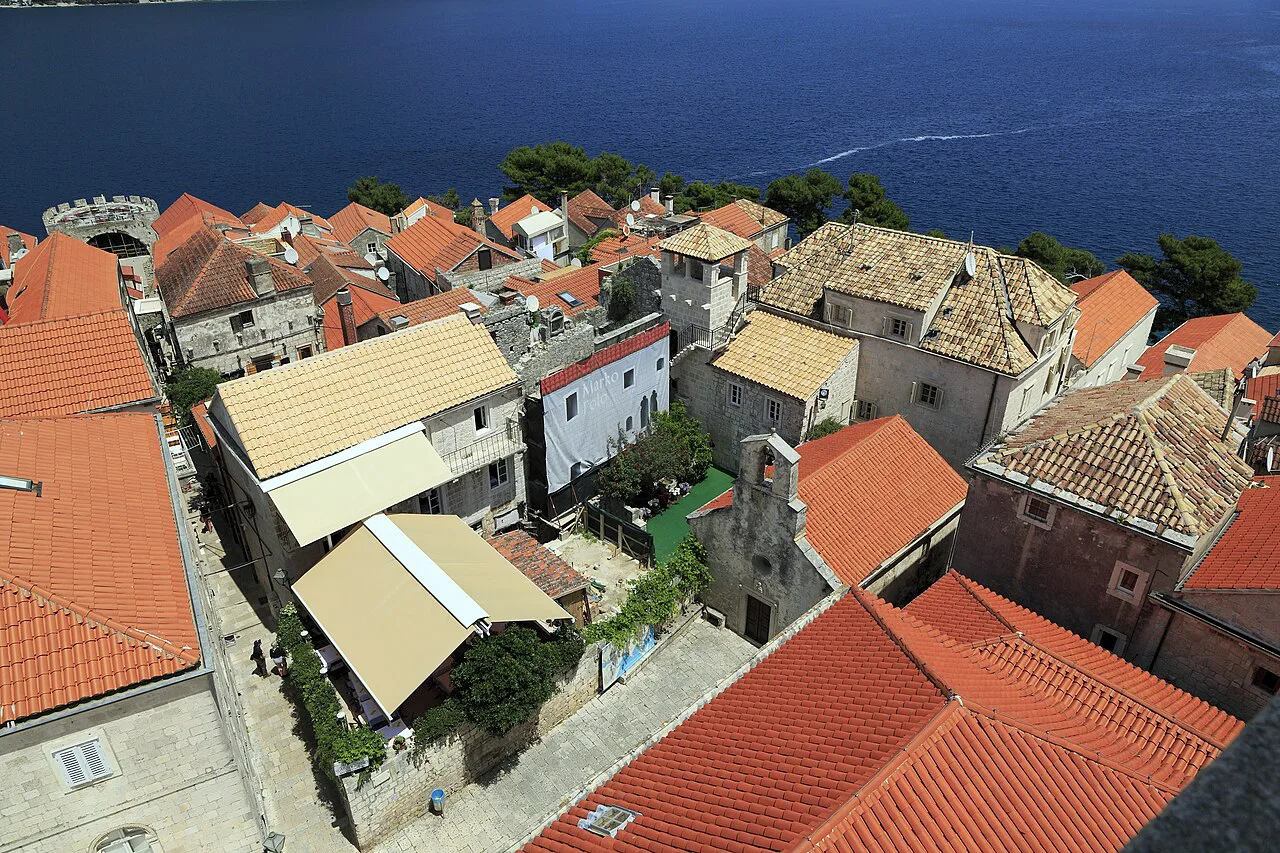
The House of Marco Polo sits inside Korčula Town, the walled settlement on the east end of the island, and it is presented to visitors as the building linked to the explorer's birth. It is a compact sight, the kind you come across in the middle of a wander rather than a destination that fills an afternoon. The pleasure is in the setting as much as anything you are shown: stone lanes, close walls and the sense of a town that has traded across the Adriatic for centuries.
Korčula Town is the natural base for this visit, since the old town, the harbour and the main sights sit within the same tight grid of streets. If you are still deciding how the town and the rest of the island fit together, the Korčula Island Guide: Town, Villages, Ferries and Timing sets out the villages, ferry ports and how long each area needs. That context helps you judge whether the house is a ten-minute add-on or something worth building a morning around.
The birthplace claim: what the tradition rests on
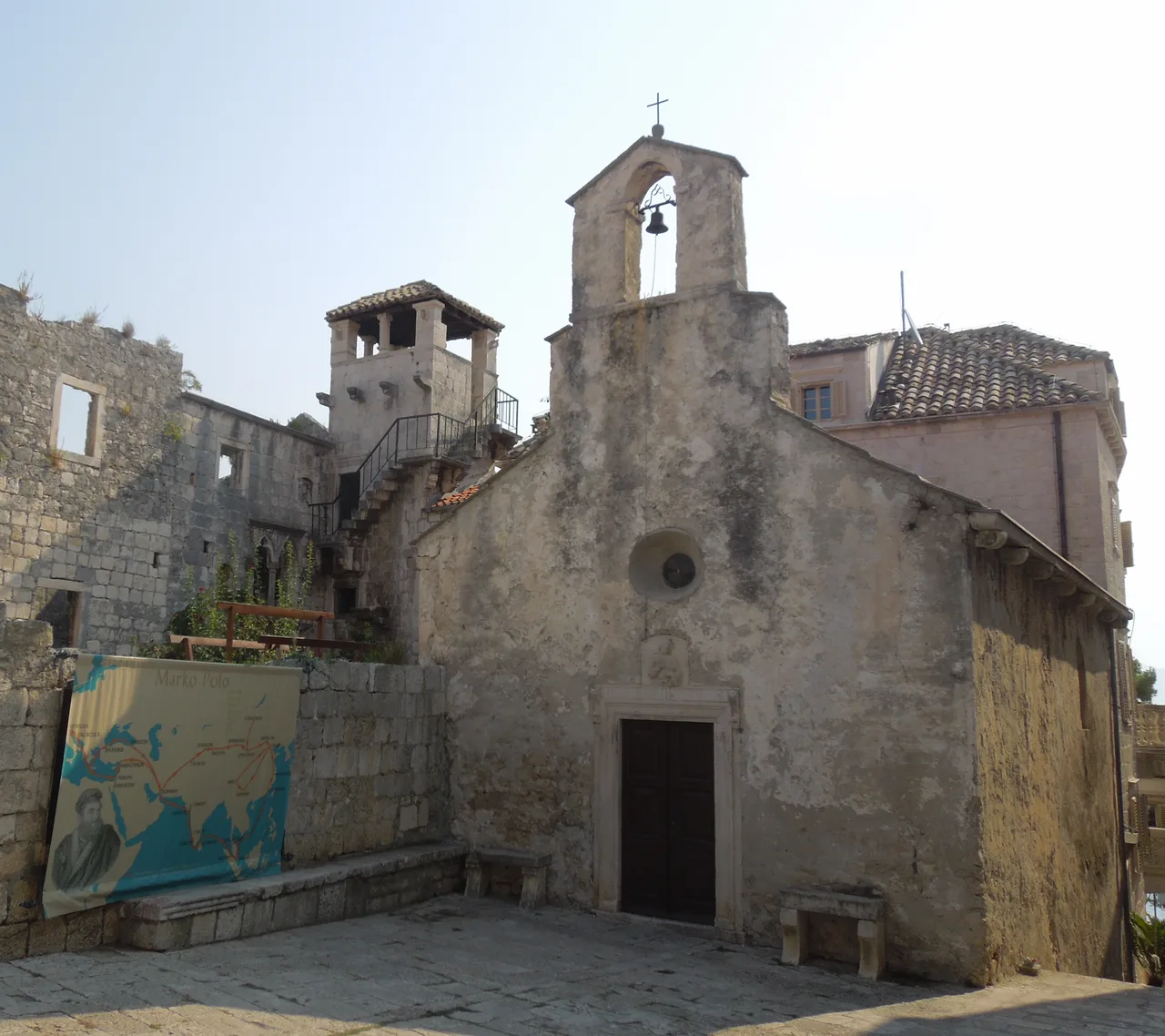
The central claim is that this building is where Marco Polo was born, and it is best understood as a local tradition rather than a documented fact. Descriptions of the site frame it as thought to be his birthplace, which is the honest way to read the appeal: the association is old and locally cherished, but it is not a settled point of record.
That distinction matters for how you spend your time. If you arrive expecting a verified medieval birth record in a glass case you will be disappointed; if you arrive for a site attached to a famous name, you get the story without the documents. It is a useful reminder along the coast, where many attractions rest on long-held tradition rather than documented fact.
The House of Marco Polo versus the Marko Polo Centar
Visitors often conflate two separate things. The House of Marco Polo is the building tied to the birthplace tradition, while the Marko Polo Centar is the exhibition space where visitors can get to know his life and legacy. One is a site with a story attached; the other is a presentation of the man and his world. Knowing which is which stops you turning up at one expecting the other.
In practice this means you may choose one or do both, depending on how much you want on the subject. A traveller with a passing interest gets plenty from the house and the surrounding streets; someone who wants the story of his life and legacy set out gets more from the centar.
What the Marko Polo Centar presents
The Marko Polo Centar is presented around the life and legacy of the man, introducing him as a figure whose story reaches well beyond the island. The emphasis falls on the narrative and the reputation rather than on the documentary record. For most visitors that framing is the point: it gives context to the name on the house.
Skim the basics of Marco Polo's travels before you go, and the centar's story will make more sense. That is general preparation rather than a promise about what any particular room contains.
How it fits into a Korčula old town walk
Budget the Marco Polo sites as a short stop rather than the centrepiece of a day, and treat them as punctuation in a broader walk rather than the walk itself. The old town's compact lanes make it easy to link the house with the rest of the streets, and that loose rhythm suits the scale of the sights.
A sensible order is to drift through the old town lanes past the house and finish on the waterfront, where the town opens out to the water. The Korčula Old Town page lays out the main squares and churches if you want a firmer route. Keep the Marco Polo stop early so the rest of the walk does not feel like a queue of small museums.
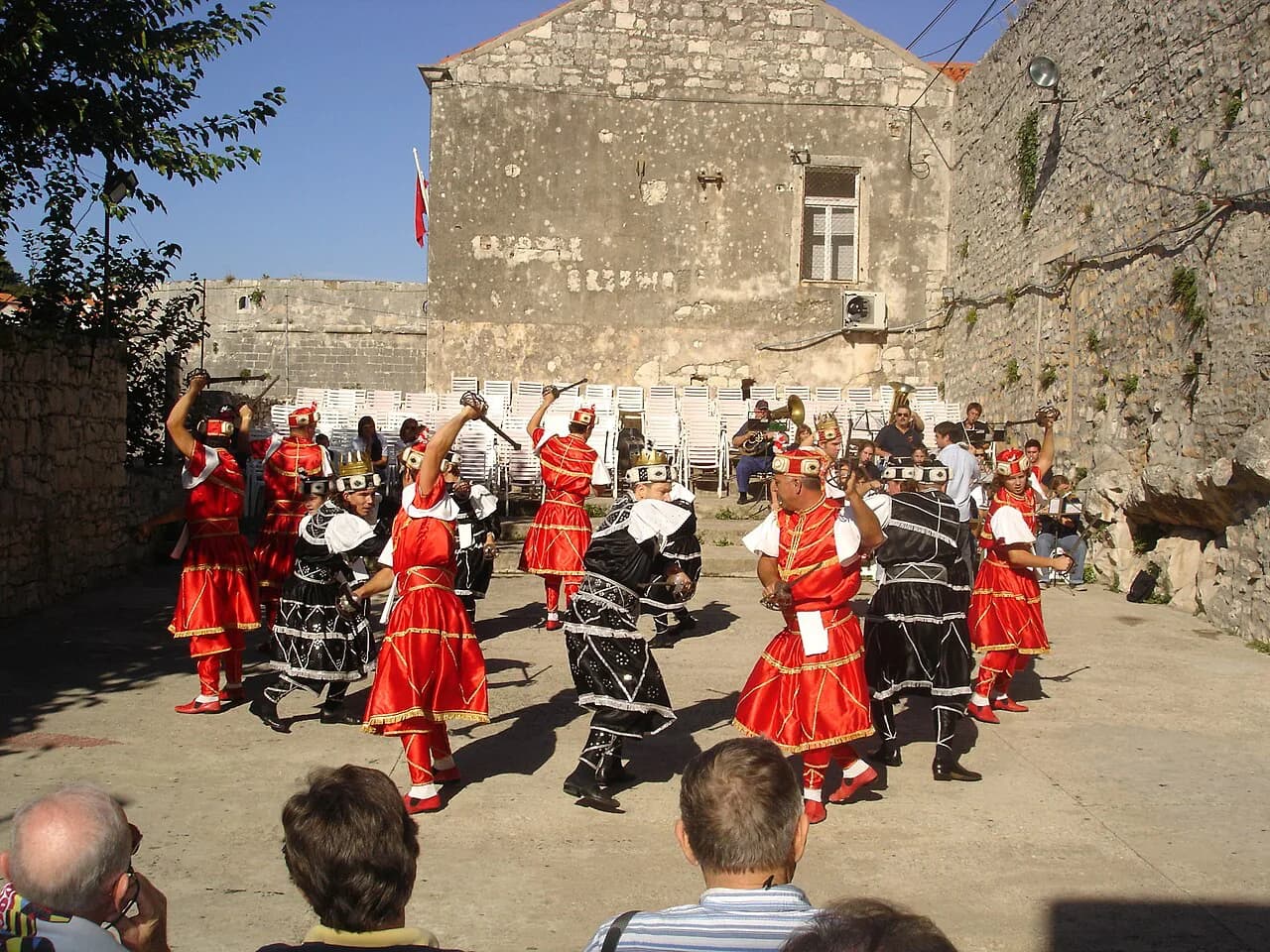
Evening entertainment in the old town can extend the day, and the Moreška sword dance is the local tradition most visitors ask about. It works as an evening counterpart to an afternoon of sightseeing, but performance nights are best checked locally, as the schedule is not fixed.
Practical notes: tickets, hours and closures
No opening hours or ticket prices for the house or the centar are confirmed here, so check them at the entrance on the day of your visit rather than budgeting from an older write-up. Croatia has used the euro since 2023, so ignore any kuna figures you come across in older guides and articles.
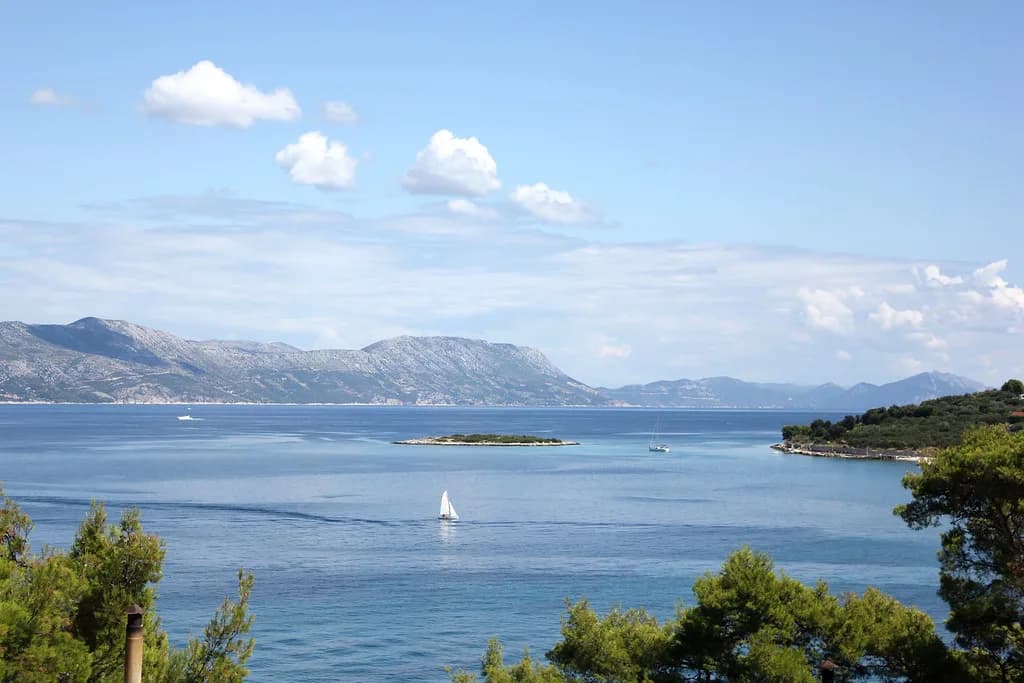
If you are building a wider itinerary, the island map helps you see how Korčula Town connects to the rest of the island by road and ferry. Vela Luka lies at the western end of the island and Lumbarda just east of Korčula Town, so check transport connections before adding either.
Where else on Korčula to go after the house
Once you have seen the Marco Polo sites, the island rewards a slower circuit. Lumbarda, Korčula lies just east of Korčula Town with its own harbour and a quieter feel, making it a natural half-day extension if you have a car. Inland villages such as Pupnat and Blato, Korčula show a different side of island life, with stone houses and a pace that suits a leisurely drive.
On the coast, Račišće gives you a small harbour village to break the drive, and Vela Luka at the western end is the island's other main port. These work better as part of a loop than as individual destinations, so plan them around your ferry times rather than the other way round.
Is the Marco Polo House worth the stop?
Yes, as a brief stop within a Korčula old town walk rather than a destination in its own right. Go for the atmosphere and the story, and add the Marko Polo Centar if you want his life and legacy laid out. Keep your expectations calibrated to a small site built on tradition, and it earns its place on the route.
Check current tickets and opening times at the entrance when you arrive. Build the rest of the day around the old town and, if you have time, one village further along the coast.
Sources
Notes from the Croatian coast
Optional updates when our guides change.
You might also like
Continue reading
More guides you'll find useful