Pupnat, Korčula: the hill village and its coast road
Pupnat is a small hill village on Korčula, set above its own fertile plain. Here is how it fits into a day between Korčula Town and the south coast.
On this page
Pupnat is a short stop rather than a destination in its own right: a hill village in the interior of Korčula, set above a small but fertile plain rather than on the water. Most travellers see it in passing on the road between the old town and the south coast. This guide covers where the village sits, how the roads connect, and how to weigh a stop here against pushing on to the coast.
The wider island rewards more time than the village itself. Korčula has one of the best-preserved medieval centres in the Adriatic, and the main town opposite the Pelješac peninsula is the most popular south-Dalmatian destination after Dubrovnik.
What Pupnat is and where it sits on Korčula
Pupnat is best understood as a wine and vegetable-growing community set at the side of a small but fertile plain. That is the useful mental map: houses on the slope, fields on the flat ground below, and none of it on the water.
Korčula as a whole is a small Dalmatian island of 276 square kilometres, tucked beneath the mainland coast and close to both Dubrovnik and Hvar. Its interior is olive groves, vineyards and dark pine forest, which is the landscape you cross to reach Pupnat.
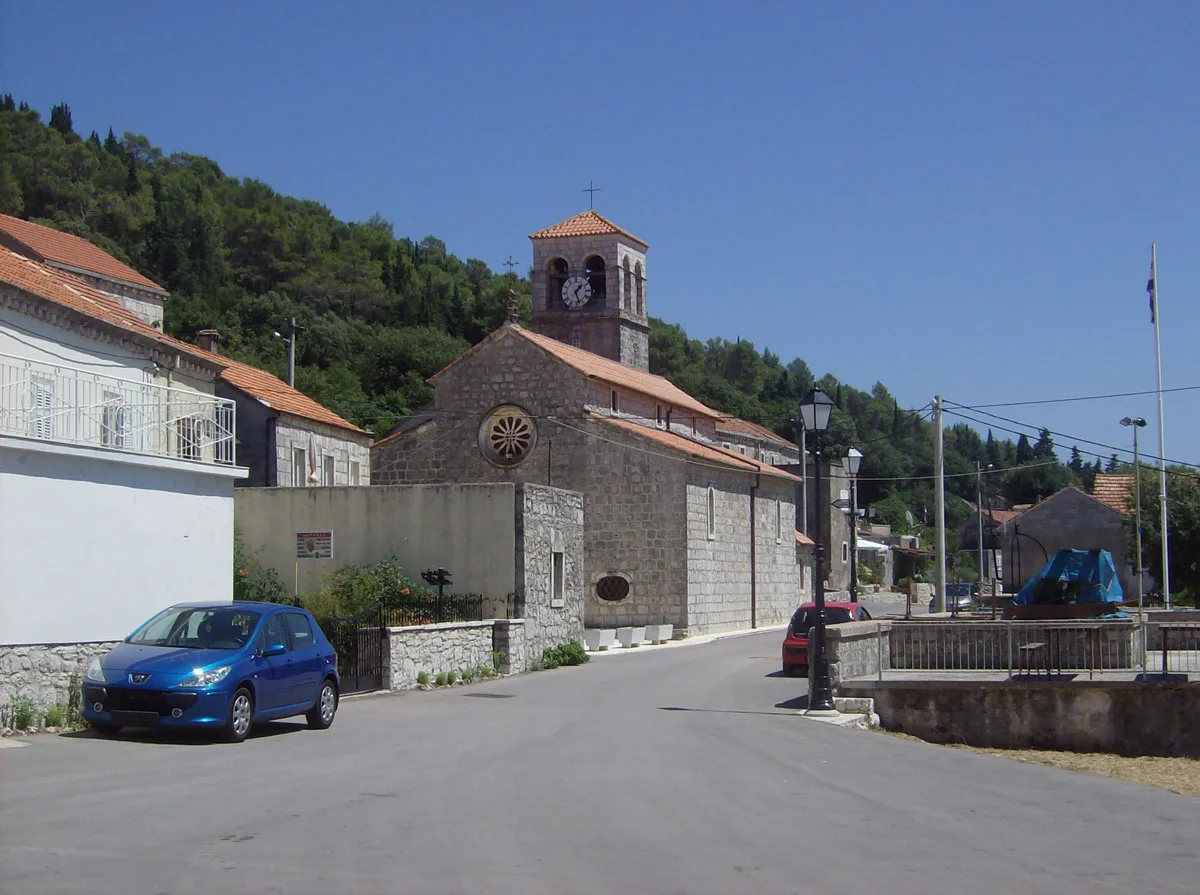
How to get there: the inland road from Korčula Town and the Lumbarda connection
Pupnat is reached by road, and the island is easy enough to cover by vehicle: there are taxis and buses connecting the west to the east, and the end-to-end run takes around 45 minutes.
From Korčula Town the natural approach to the interior runs through Žrnovo, the sprawling settlement spread across the hills above the town in several distinct villages. Lumbarda, 6 kilometres from Korčula Town, is the other fixed point to plan around.
Lumbarda draws cyclists, and the ride out from Korčula Town takes in viewpoints over the coast, vineyards and olive groves. A regular bus also runs between the two, which is the simplest option if you want a one-way walk or ride and a lift back.
If you want the lie of the land before committing to a route, our Korčula: a practical guide to the island, its old town and getting around sets out how the old town, the interior villages and the two ends of the island relate to each other.
The village itself: stone lanes and the fertile plain below
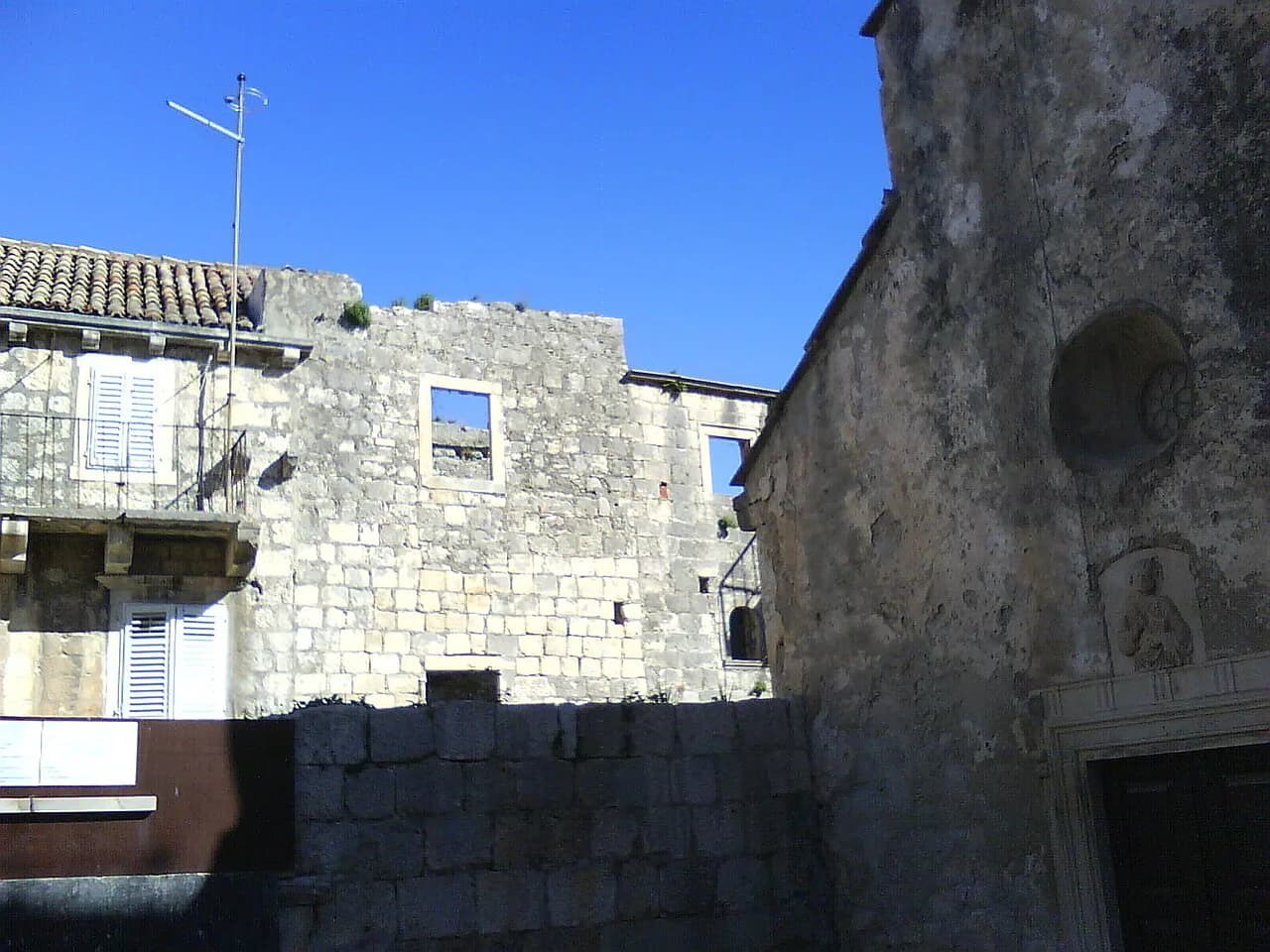
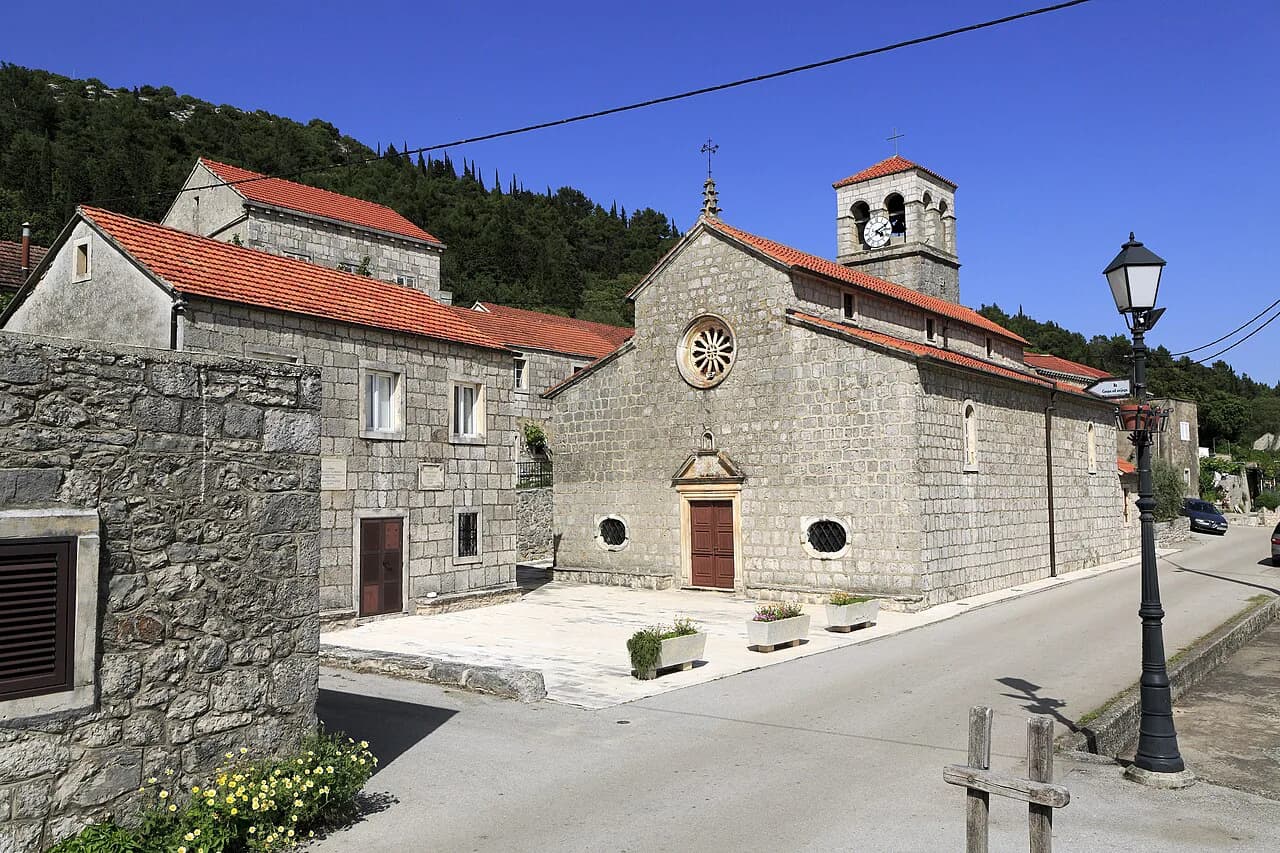
The village is a place to walk slowly rather than tick off. Expect stone lanes, houses on the slope and the fields of the plain opening out below, with the sea somewhere beyond rather than in front of you. It is a working inland settlement, not a waterfront strip.
Korčula's inland villages are worth taking on their own terms. Smokvica, for instance, is one of the island's most picturesque inland settlements, with red-tiled houses spilling down a hillside above fields that produce some of its best-known white grapes. Pupnat belongs to the same family of places.
Do not expect a Pupnat beach. The island's named swimming spots sit elsewhere, including the sandy beaches at Lumbarda and the pebble coves along the south coast, so treat the village as a land stop.
Pupnat's position on the south-coast road and what it connects
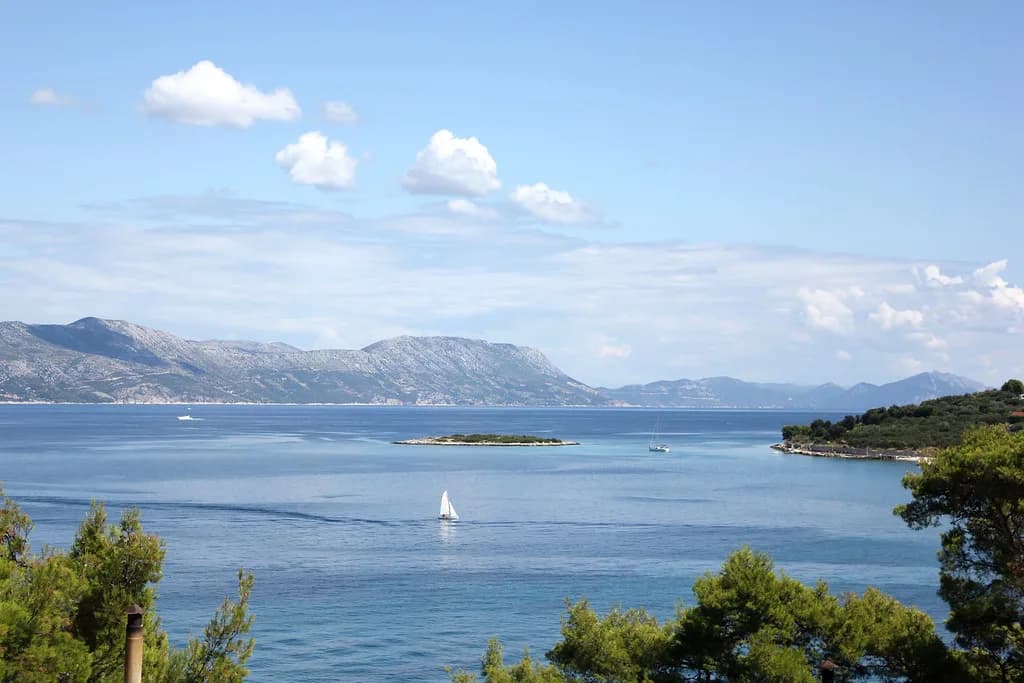
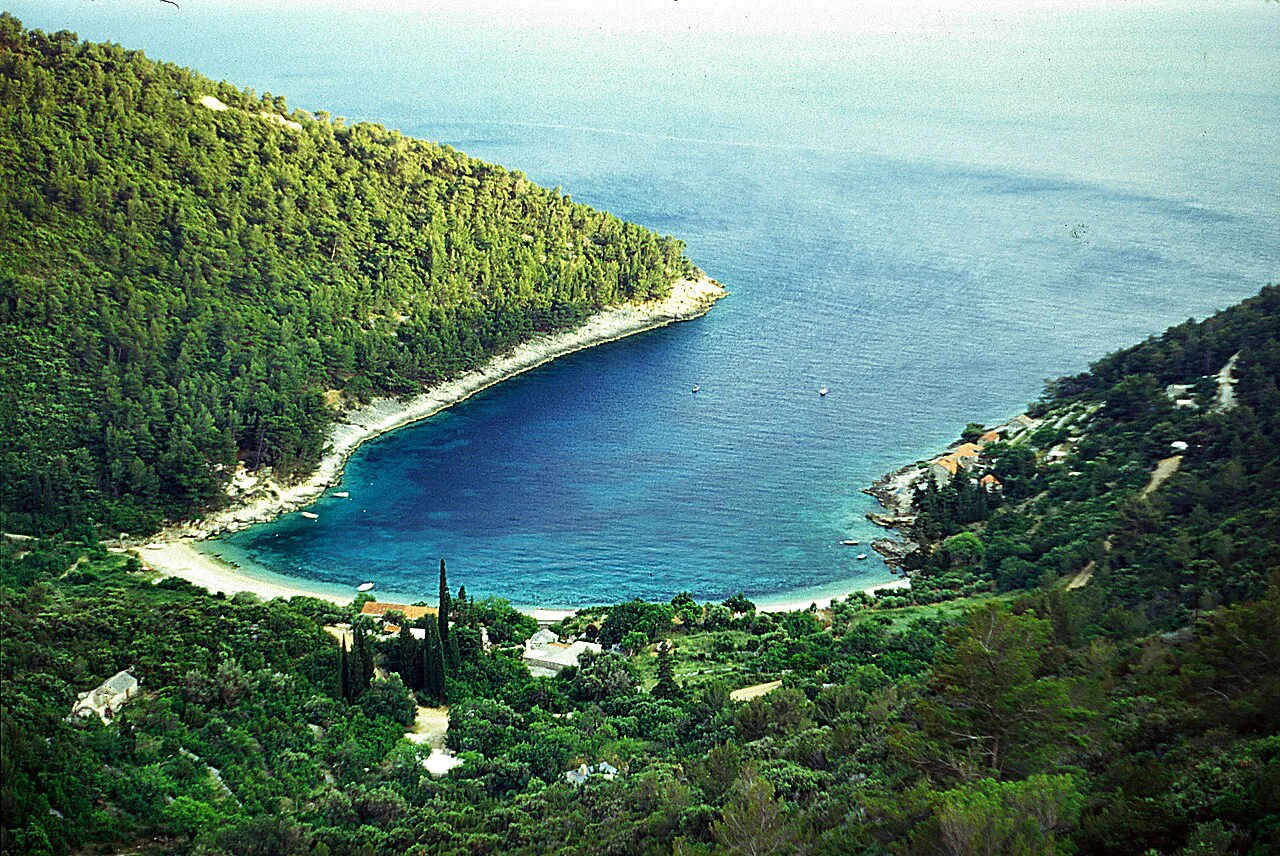
Pupnat lies inland from Korčula Town, on the same side of the island as the south-coast road, so a stop there fits naturally before or after you drop to the coast. The south coast's best-known draw is Pupnatska Luka, a pebble beach about a 20-minute drive from the old town with views across the water to Lastovo and two seaside restaurants.
Lumbarda, on the south-east corner, is the other anchor. Its main beach, Vela Pržina, is the island's best-known sandy stretch, and the smaller Bilin Žal a few minutes away is the family option with shallow water and a stone wall for shelter.
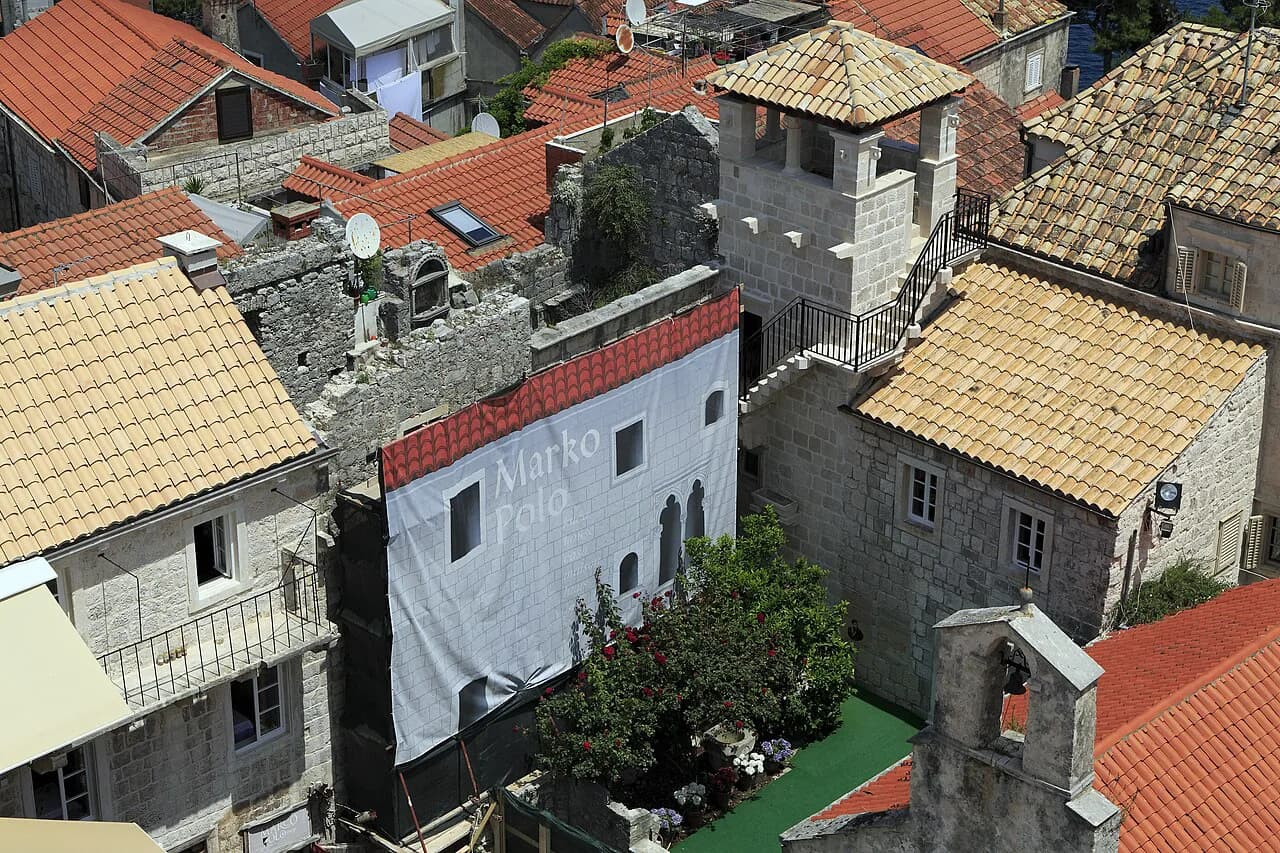
For the island's main town, with its walls, gates and St Mark's Cathedral, our Korčula Old Town guide covers the layout and what to see inside the walls.
If your route runs west instead, Vela Luka occupies an irregular bay at the western end of the island and is the main port for car ferries to Split and Lastovo. Pairing an inland crossing with a western port call is a sensible use of a driving day.
How long Pupnat needs and whether it is worth a stop
Treat Pupnat as a 30-to-60-minute leg-stretch: a short wander through the lanes, a look down over the plain, and back on the road. The village rewards a stop only if you want the interior landscape rather than a checklist of sights.
The honest trade-off is time against the coast. Lumbarda's beaches are busy rather than quiet, and the village is not the place to escape crowds; if swimming is the priority, the drive down to the south coast earns more of your day than the hill village does.
Cyclists and walkers get more out of the area than drivers do. The lanes around Žrnovo and Pupnat form part of a long loop route in the hills, popular for road biking and scenic driving.
When to go: season, crowds and the bura wind
The island's practical season runs roughly from spring to autumn, and the coastal hotels follow it: one old-town seafront hotel, for example, opens between April and October. Plan an inland day for the same window, when the roads and villages are fully in use.
Summer is the crowded stretch, and the coast absorbs most of it. Inland, mornings are the calmest time to walk the lanes before the heat builds and day-trippers reach the south-coast beaches.
Wind is a real factor on the island. The old town's narrow lanes fan out from the centre like a fish bone, a design that tells you how seriously the town took the wind.
Walking times, road conditions and any seasonal opening change from year to year, so check the day's plan with the local tourist office in Korčula Town before setting out.
Where Pupnat fits in a Korčula coast trip
The clean shape for a day is Korčula Old Town in the morning, an inland crossing through Žrnovo and Pupnat, then down to the coast for the afternoon. That order puts the old town ahead of the crowds and leaves the coast for when the water is warmest.
Inland, the villages each have their own character. Blato was once the island's biggest settlement and an important agricultural centre exporting wine and olives, which makes it a natural companion stop if you are tracing the interior rather than the shore.
On the north-west side, Račišće is a picturesque port spread around a broad bay 12 kilometres west of Korčula Town, with the Church of St Mary the Helper overlooking the shore. It is the obvious pairing if you are working around the island in a loop rather than out and back.
Where to sleep, which beaches to prioritise and what to eat are separate decisions from the road plan, so settle those first and let Pupnat slot in as the inland link between them.
Should you stop at Pupnat or drive straight to the coast?
Stop if you want the interior: the lanes, the plain below and the sense of a working hill village are the reward, and half an hour covers it. Drive straight past if swimming and the old town are the point of your day, because the coast holds the better-known draws and the village asks for time you could spend elsewhere.
Build the day around the road rather than the village, and check seasonal openings and ferry times with the relevant companies before you commit. Korčula rewards a plan that treats its interior and its coast as one route, not two.
Explore more Korčula guides
Frequently Asked Questions
What is Korčula famous for?
Korčula is known for its walled medieval town, one of the best-preserved centres in the Adriatic, and for the dark pine forests, vineyards and olive groves that earned it the Greek name Black Corfu. Its old town sits opposite the Pelješac peninsula, and the island produces wine and olive oil inland.
Where is Korčula in Croatia?
Korčula is a Dalmatian island of 276 square kilometres, set beneath the mainland Croatian coast and close to both Dubrovnik and Hvar. It lies across the Pelješac Channel from the Pelješac peninsula. Pupnat sits in its interior, inland from Korčula Town and west of the Žrnovo villages that spread across the hills above the town.
Is Korčula or Dubrovnik better to visit?
They serve different trips. Dubrovnik is the larger walled city and the busier of the two; Korčula offers a compact walled town with an interior of villages, vineyards and quiet coves, and it draws fewer visitors than its neighbour. Choose Korčula if you want a slower island base and Dubrovnik if you want the big-city walls.
Sources
- BEST Things To Do In Korcula Croatia: You'll Actually Love! - Little Wanderblog
- Korčula travel guide: Croatia’s lesser-known island with unspoiled landscapes | CN Traveller
- Korčula Travel Guide: Restaurants, Hotels, Bars & Beaches | Travel | Time Out Croatia
- Exploring Lumbarda: Korcula’s Charming Wine Village | Unforgettable Croatia
- Korčula - Pupnat - Žrnovo, Dubrovnik-Neretva, Croatia
Notes from the Croatian coast
Optional updates when our guides change.
You might also like
Continue reading
More guides you'll find useful