Krka Waterfalls Guide: Which Falls and Trails to Plan Around
Krka's main waterfalls are Skradinski buk and Roški slap. See how the falls, the Skradin boat link and the boardwalks fit into a single day out.
On this page
Krka National Park holds a chain of waterfalls along the Krka River, and most travellers see only one of them: Skradinski buk, the tufa barrier and boardwalk complex reached by boat from Skradin or by road to Lozovac. The park is 109 square kilometres with 47 kilometres of hiking trails and ten entrances, so the sites are spread out rather than clustered around a single car park. This guide separates the falls the park promotes by character, explains which entrances reach which, and sets out the boat link, timings and closures that decide your day; use Krka National Park Tickets when you are ready to book.
Allow half a day for Skradinski buk alone, and a full day if you want Roški slap or a quieter northern gate as well. The trade-offs are real: the main falls are busy in high summer, some individual sites sit behind conservation closures, and the swimming rules follow the notices posted at the water rather than last year's blog posts. Plan around those rather than against them.
Skradinski buk: the gorge, the tufa barriers and the boardwalk loop
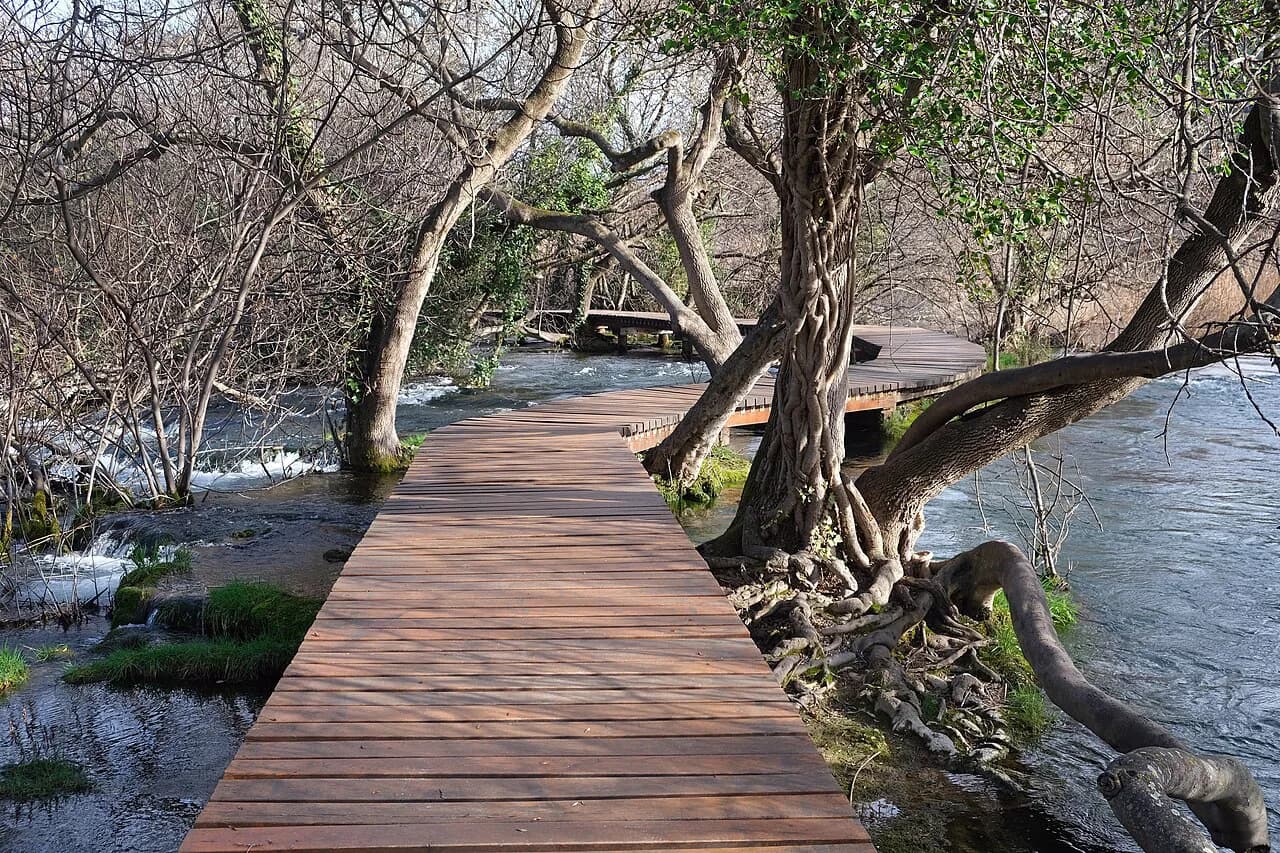
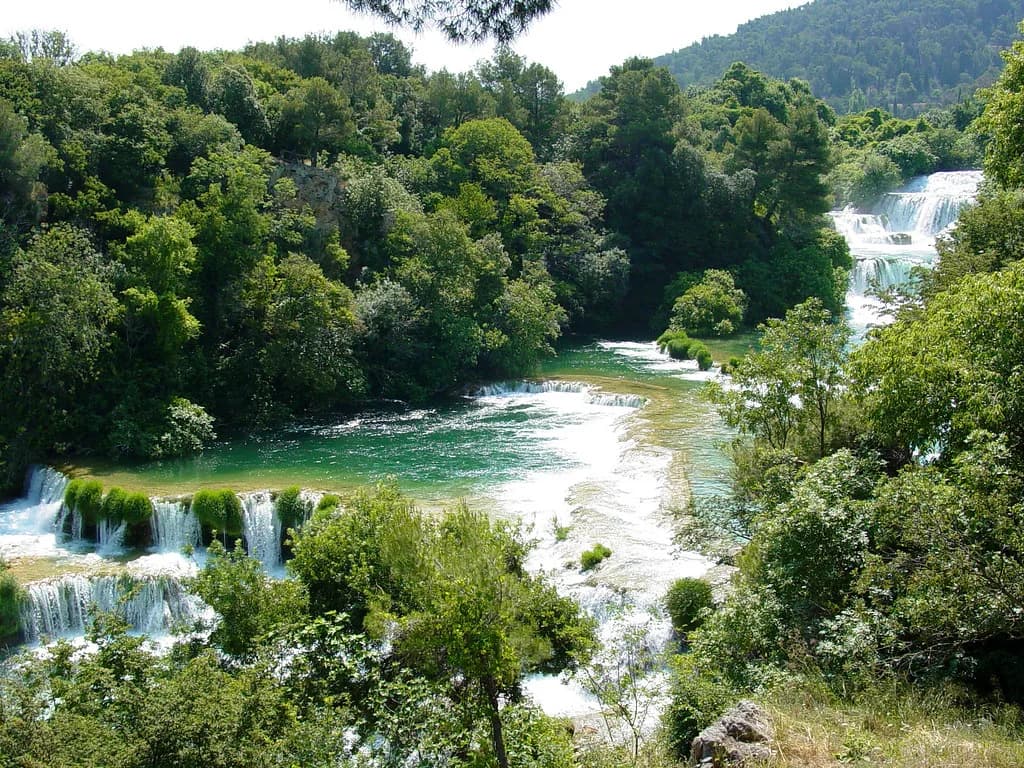
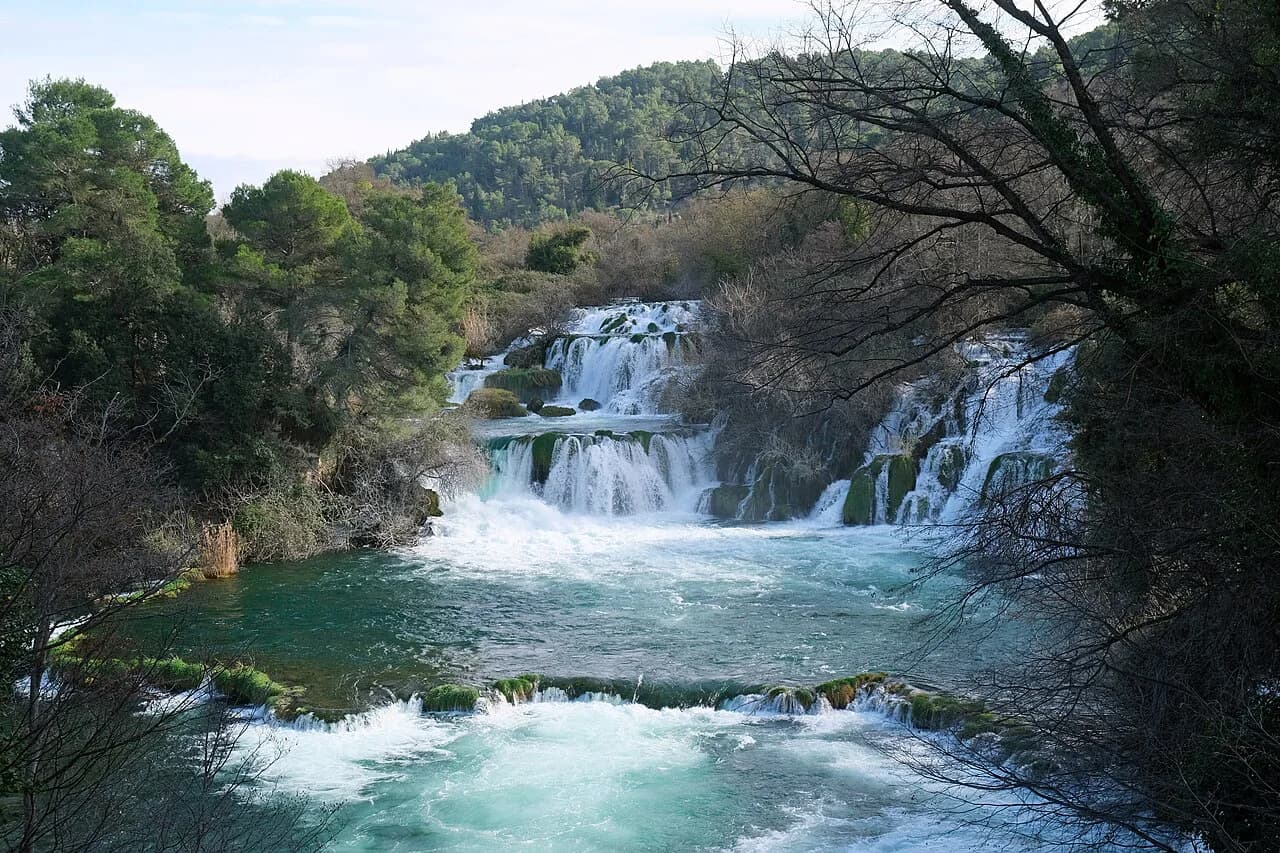
Skradinski buk is the park's signature fall and the reason most people come: a wide tufa barrier where the Krka River drops through a gorge, circled by a wooden boardwalk. The park authority lists it first among the localities it promotes, alongside Visovac Island and Roški slap, and it is the fall served by the Skradin boat. Expect to spend your time on the loop rather than at one viewpoint.
That is a useful floor rather than a promise. Give the main boardwalk loop two hours if you want photographs without rushing — the loop is flat but the light and the crowds both reward an unhurried pace.
The whole of Skradinski buk is a boardwalk experience, so you will not need boots, but go early in the day to walk the loop before the coach groups arrive. Read the notices at the water's edge: the only swimming account in the sources describes swimming in the water at Krka away from the falls, which is a description of past practice rather than a standing permission.
Roški slap: the necklace cascades and the upper river
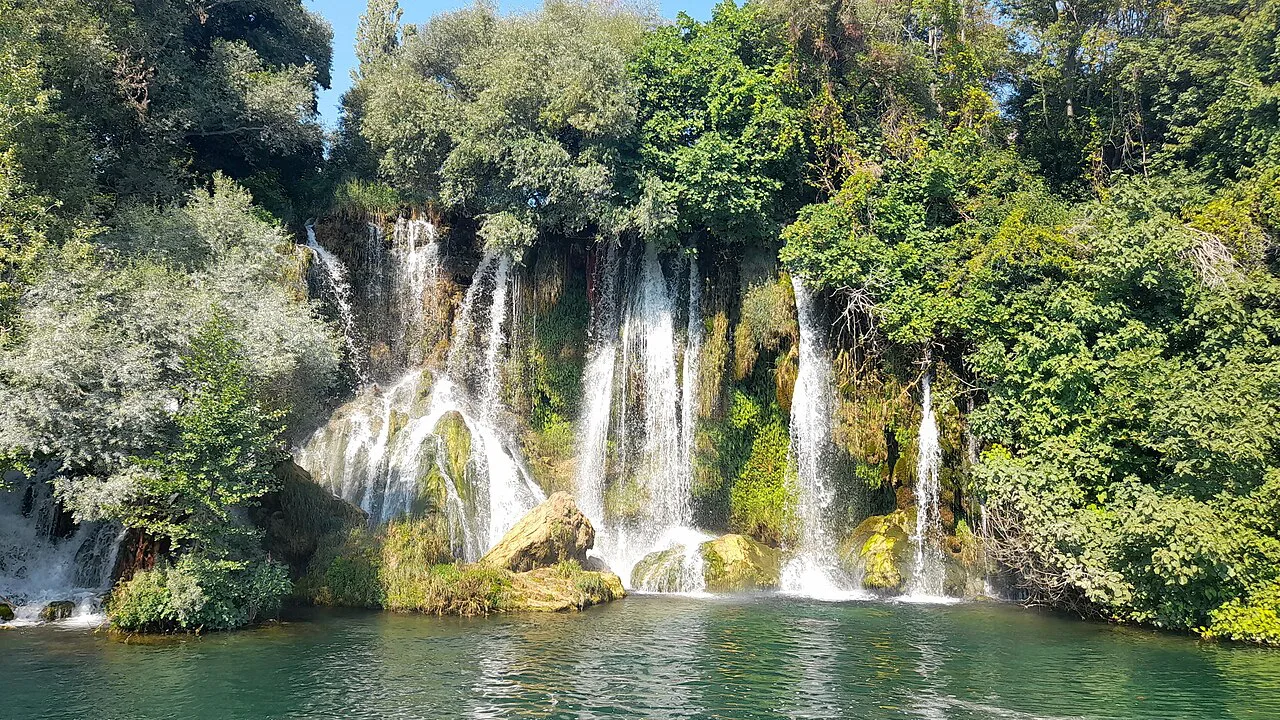
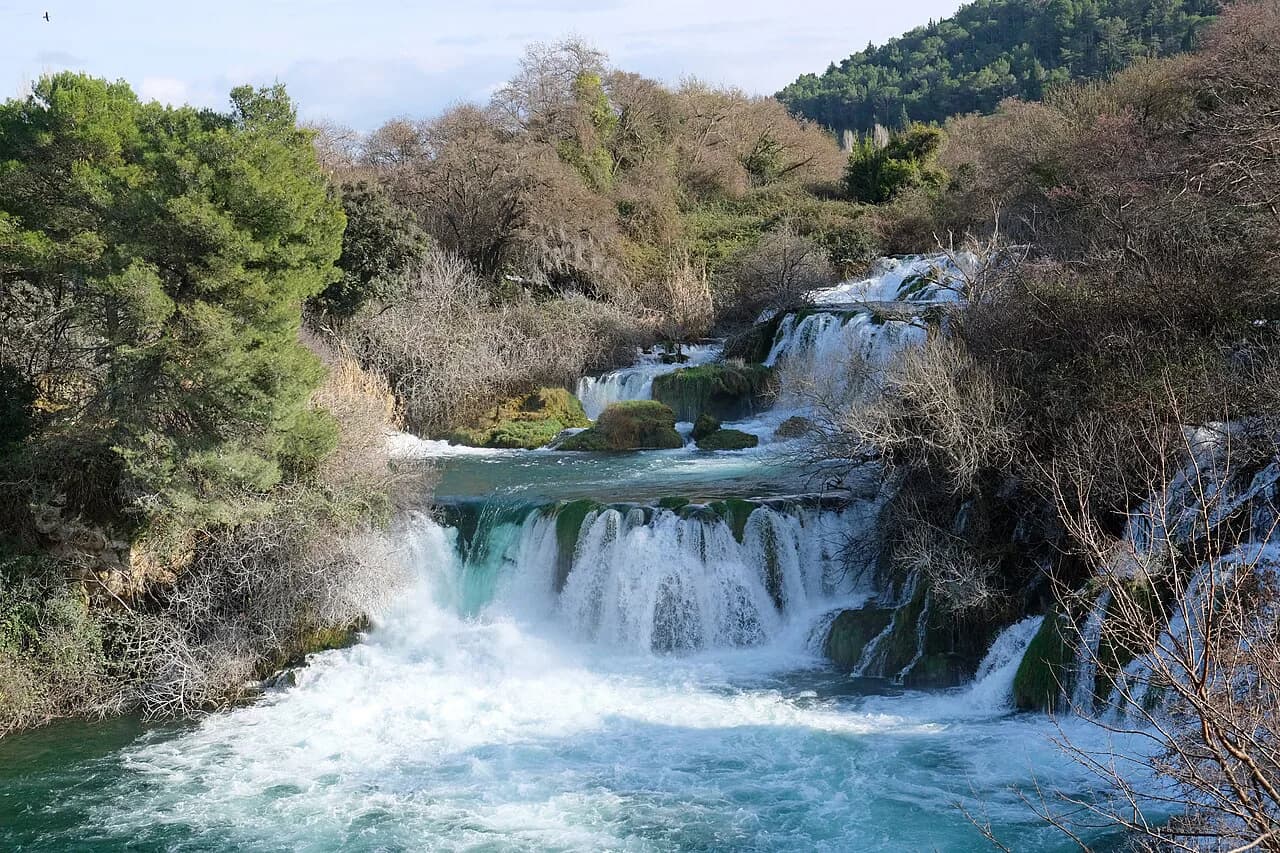
Roški slap is the second major fall and the one that rewards a longer day. It is a series of cascades rather than a single drop, and the park lists it among its localities. It sits apart from Skradinski buk, so it suits travellers with their own transport or a full day to spend.
Treat Roški slap as the quieter half of the trip. If you only have one day and no car, Skradinski buk will absorb it; if you have a car and an early start, the two together make a fuller picture of how the river steps down. The park's own locality pages are the place to confirm which facilities are open when you go.
Beyond Skradinski buk and Roški slap: the park's other localities
Beyond the two headline falls, the Krka River drops at further falls upriver. The park publishes a localities index that is the honest way to see which sites are promoted and open, rather than assuming every fall on the river is a signed boardwalk stop.
For most short trips, the further falls are scenery you pass rather than destinations you tick off. If you are based in Šibenik with a car, some of the park's other sites sit within reach of the northern side of the park; if you are on the coast without a car, do not build a plan around them.
Visovac Island and the monasteries in the river's middle
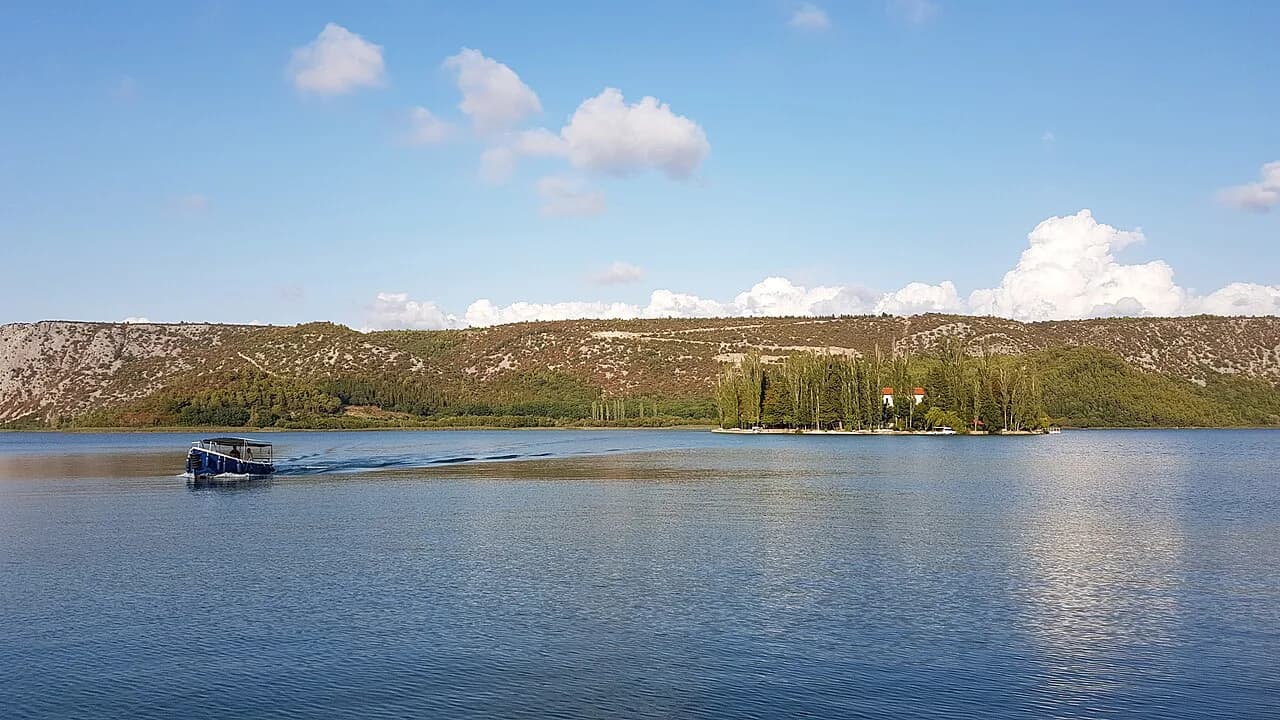
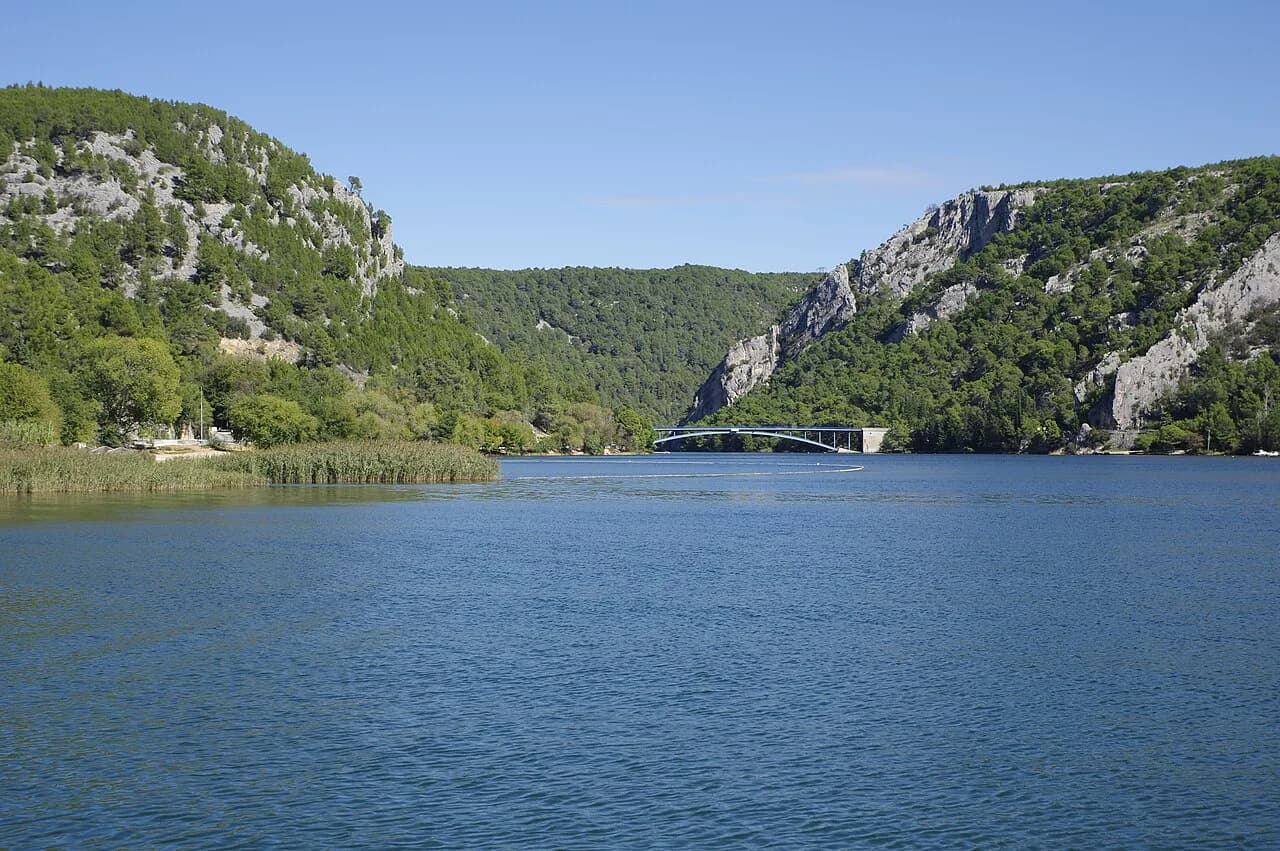
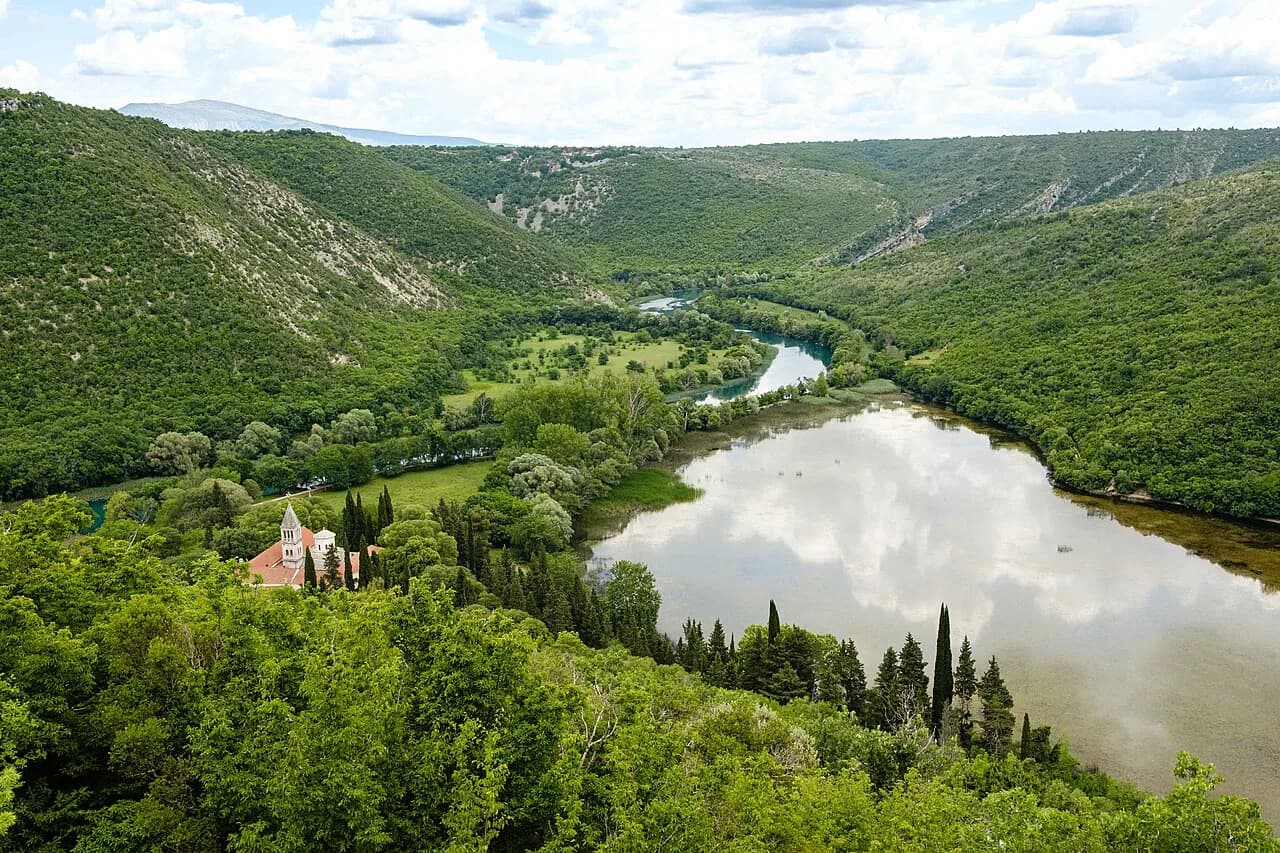
Visovac Island sits in the widened, lake-like stretch of the Krka River and is one of the park's listed localities. Reach it as an addition to the falls day rather than a destination on its own; read more on the Visovac monastery guide.
Which entrance to use: Skradin, Lozovac and the park's ten gates
Krka National Park has ten entrances, and the choice between them decides your day more than anything else. Skradin is the gateway town at river level, useful if you want the boat approach to Skradinski buk; Lozovac is the road entrance most drivers use. The other gates serve the rest of the park, and the park maps its entrances in detail.
The trade-off is straightforward: Lozovac puts you closest to the main falls, while Skradin trades a car park for a boat crossing. Check the park's entrances page for which gates are operating in your season before you commit to a route.
The Skradin-to-Skradinski buk boat link: how the journey works
The boat from Skradin to Skradinski buk is the scenic way in, and it turns a car journey into part of the day out. Departure times and fares vary by season, so confirm them with the park when you book.
The practical cost is flexibility: you are tied to a sailing time in both directions, and the last boat back sets a hard end to your afternoon. Drivers who want to stay until the light softens should take the road entrance instead and keep the boat for a different day.
How long to give the falls: a half-day core and a full-day version
Half a day covers Skradinski buk properly: the boardwalk loop, the main viewpoints and a pause. Add the boat crossing, queuing at the entrance and the time you actually want at the water. Build in a buffer rather than planning to the minute.
A full day adds Roški slap and, if you are driving, one or two of the upper falls or the Visovac boat. That version needs an early start from Split, Zadar or Šibenik, because the drive plus two fall complexes plus lunch fills the daylight. Travellers relying on public transport should keep to the half-day version and enjoy it.
Prices, opening hours and closures: what to check before booking
Krka charges an entrance fee, and the park publishes a price list and a working-hours page rather than a single year-round figure. Rates are set by season, so check the season stated on the page before you pay. Book through the park's own online ticket system.
Closures matter more than most visitors expect. Burnum is currently closed for conservation work and Oziđana pećina is closed to visitors except for pre-arranged groups, so neither belongs in a plan built around the falls. Check the notices on the Krka National Park homepage before you set out, since closures change with works and conditions.
The falls themselves stay open across the season, but facilities, boat excursions and individual sites can be trimmed at the edges of it. If your trip hinges on a specific site rather than the main boardwalk, confirm it is operating before you build the day around it.
Swimming: where it happens and how the rules have moved
Swimming has been part of a Krka visit: a travel account describes swimming in the lakes at Krka, though visitors are kept from swimming under the waterfalls themselves. That is one traveller's experience rather than a standing permission; the park sets the rules and posts them at the water.
Treat any swim as conditional: read the signs at the water on the day, and do not assume a swim spot from an earlier summer still operates. If swimming is the point of the trip, check before you buy a ticket.
Krka or Plitvice Lakes: honest trade-offs for a short Balkan trip
Krka is the easier park to reach from the Dalmatian coast, sitting just inland from Šibenik, while Plitvice Lakes is more isolated and carries UNESCO World Heritage status that Krka does not. A travel account describes Krka's paths as flatter and its atmosphere as more relaxed than Plitvice's. Plitvice wins on sheer spectacle at the Lower Lakes.
If you have one free day from Split or Zadar, Krka is the practical pick. If you are travelling between Zagreb and the coast with time to spare, Plitvice fits the route better. Trying to do both in a short trip means a lot of driving for two similar experiences.
Crowds and the best months to walk the boardwalks
July and August bring the heaviest crowds to Skradinski buk, and the boardwalk is narrow enough that a coach group changes the pace of your loop. May, June, September and early October give you the falls with fewer people — though this guide covers the summer season, and the edges bring their own reductions.
Time your visit for the first boat or the first hour after opening, then leave the main loop to the midday rush and take a longer trail. The park publishes 47 kilometres of hiking trails and 388 kilometres of bike routes if you want to escape the boardwalk entirely.
How to get to the falls from Split, Zadar and Šibenik
Šibenik is the closest city base, roughly a 20-minute drive from Skradin, the gateway town for the boat to Skradinski buk, according to a travel account. Split and Zadar are both reachable by motorway for a day trip, but the drive each way eats into your time at the water. Basing yourself in Šibenik and treating Krka as a morning out is the calmer option.
Without a car, the boat from Skradin plus a bus to Skradin is the workable combination; with a car, Lozovac keeps the driving simple. Whichever you choose, arrive early enough that the car park or boat queue does not set your schedule.
Which falls should you actually plan around?
Plan around Skradinski buk, add Roški slap if you have a car and a full day, and treat the further falls as scenery for a return trip. Choose Skradin and the boat if the journey is part of the pleasure, or Lozovac if you want to drive straight to the boardwalk. Either way, check the season's ticket price, working hours and current closures before you travel, and read the swimming notices at the water rather than relying on older advice.
Explore more Krka National Park guides
Frequently Asked Questions
Are the Krka waterfalls worth visiting?
Yes, if you want a tufa waterfall complex you can walk through on flat boardwalks within easy reach of the Dalmatian coast. Skradinski buk is the main event, and Roški slap rewards a longer day. Travellers wanting the most spectacular single sight in Croatia often prefer Plitvice Lakes, which is more isolated and carries UNESCO World Heritage status that Krka does not.
Do you have to pay to go into Krka National Park?
Yes. The park charges an entrance fee set by season, and it publishes a price list and a working-hours page rather than one year-round figure. Book through the park's own online ticket system and read the season stated on the page before paying, so you know which rate applies to your date.
Can you still swim at the Krka waterfalls?
Swimming has been part of a Krka visit, but not under the falls themselves: visitors are kept from swimming beneath the waterfalls. One travel account describes swimming in the lakes at Krka, but the park sets the rules and posts them at the water. Read the signs on the day and do not assume an earlier summer's arrangement still applies; if swimming is the point of your trip, confirm it before buying a ticket.
Sources
Notes from the Croatian coast
Optional updates when our guides change.
You might also like
Continue reading
More guides you'll find useful