Hvar Old Town: Streets, Squares and Sights Worth Your Time
Hvar Old Town is a pedestrianised Venetian quarter of marble squares, stone lanes and a hilltop fortress. Here is what to see and how to walk it in a few hours.
On this page
Hvar Old Town needs about half a day for the centre and a full day if you add the fortress climb and a boat out to the Pakleni Islands. It is a pedestrianised Venetian-era quarter curled around a horseshoe bay, so you can walk the whole historic core without a map once you understand its three parts: the marble square, the Riva along the water and the stepped lanes climbing north towards the fortress. This guide sets out a single walking order through those parts, names what sits at each stop and explains where the streets get steep, crowded or quiet.
What Hvar Old Town actually is
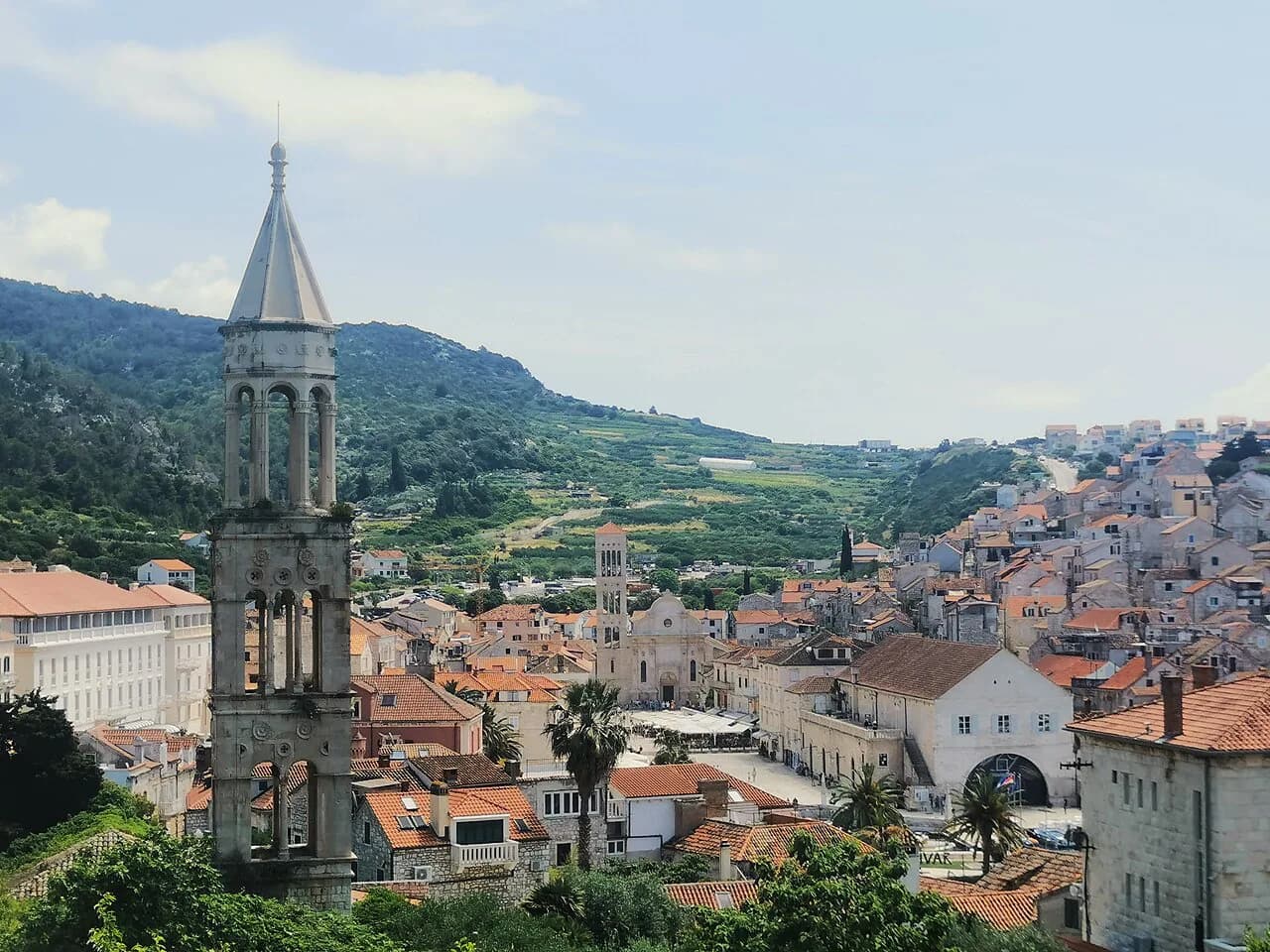
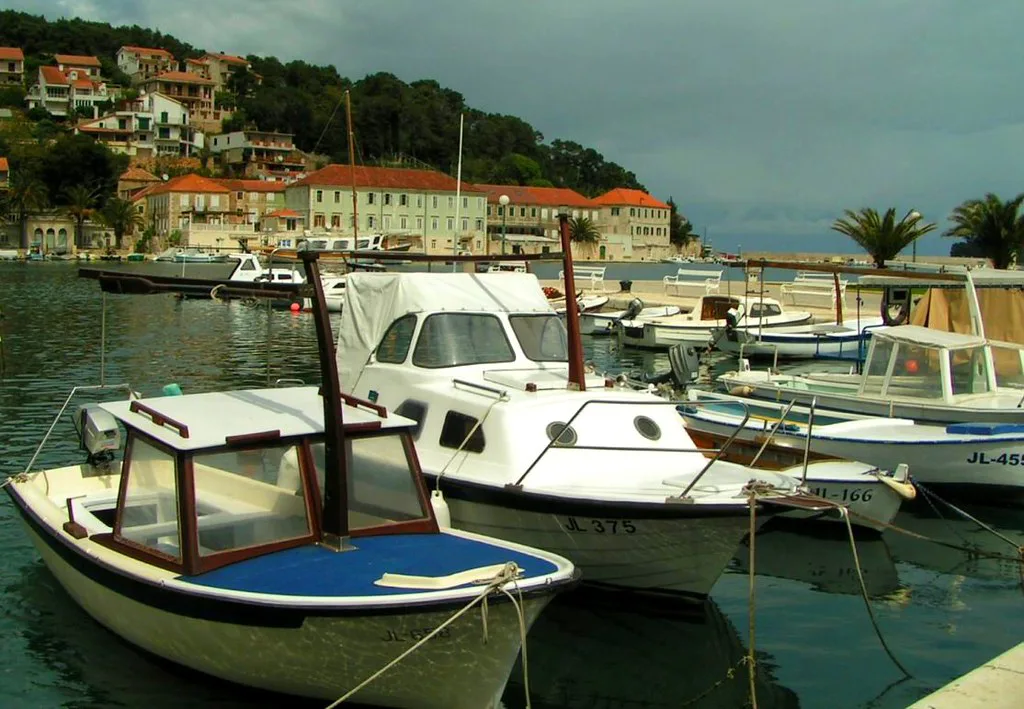
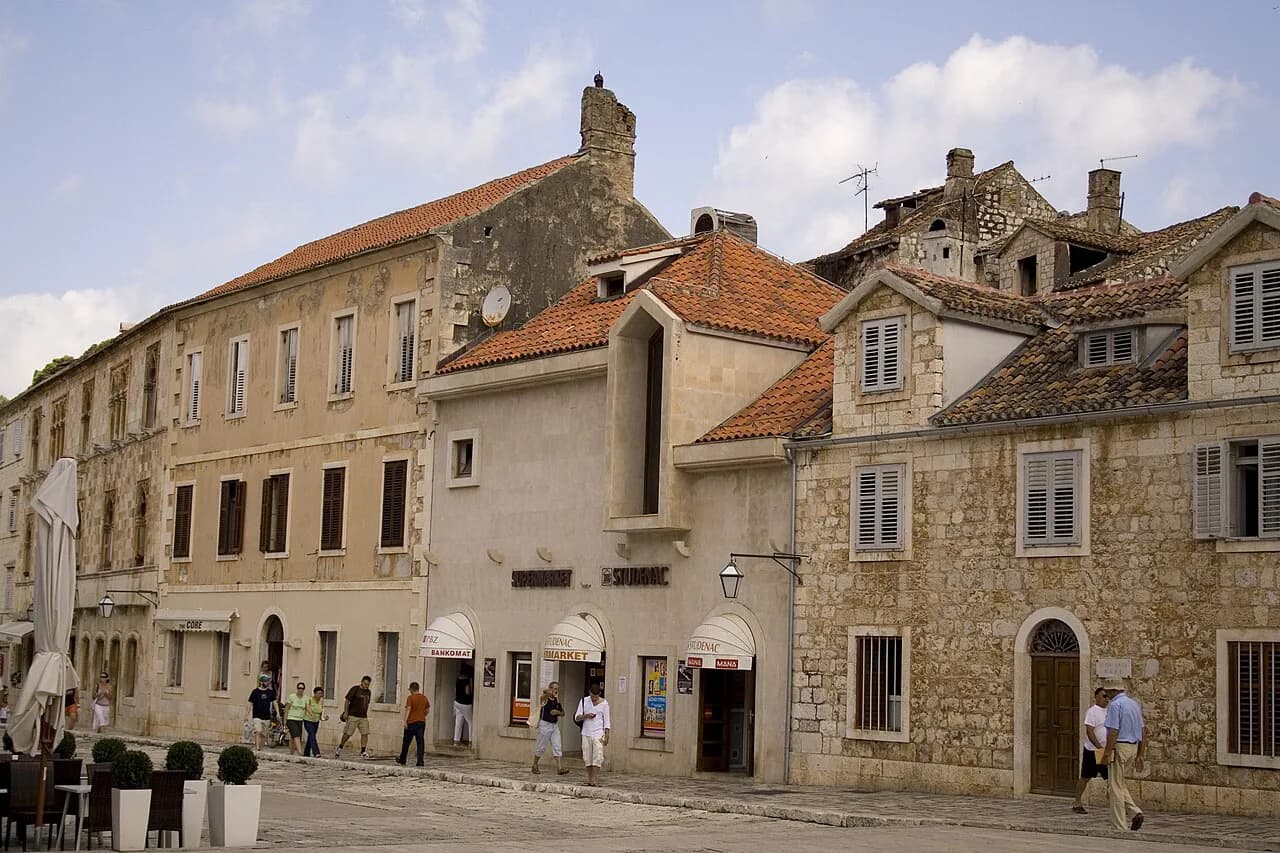
Hvar Town grew as a commune within the Venetian Empire, which held it from the 13th to the 18th century, and the town walls and the strong fortress above the harbour are the most visible remains of that naval base. The old core fills the flat ground at the head of the bay and then spills up the slope behind it, which is why almost every street either follows the shoreline or climbs. The result is a dense, car-free quarter of pale stone, green shutters and terracotta roofs that is small enough to cross on foot in twenty minutes.
Treat the old town as one continuous walk rather than a checklist of separate sights. The lanes between the square and the fortress are the connective tissue, and the pleasure of the place is in moving through them rather than ticking off buildings. If you only have a couple of hours, stay low: the square, the cathedral, the Arsenal and the Riva give you the shape of the town without any climbing.
How the town is laid out
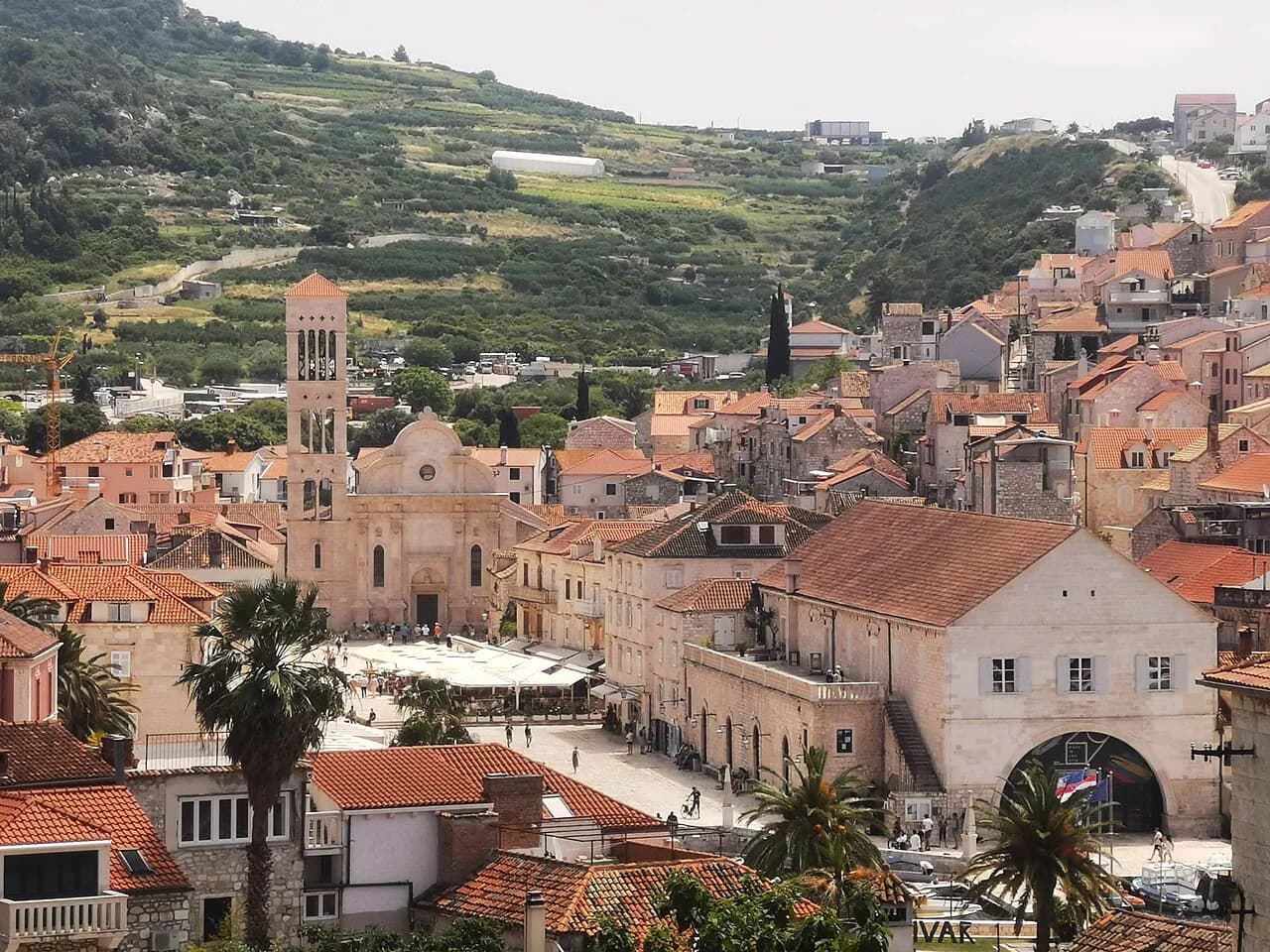
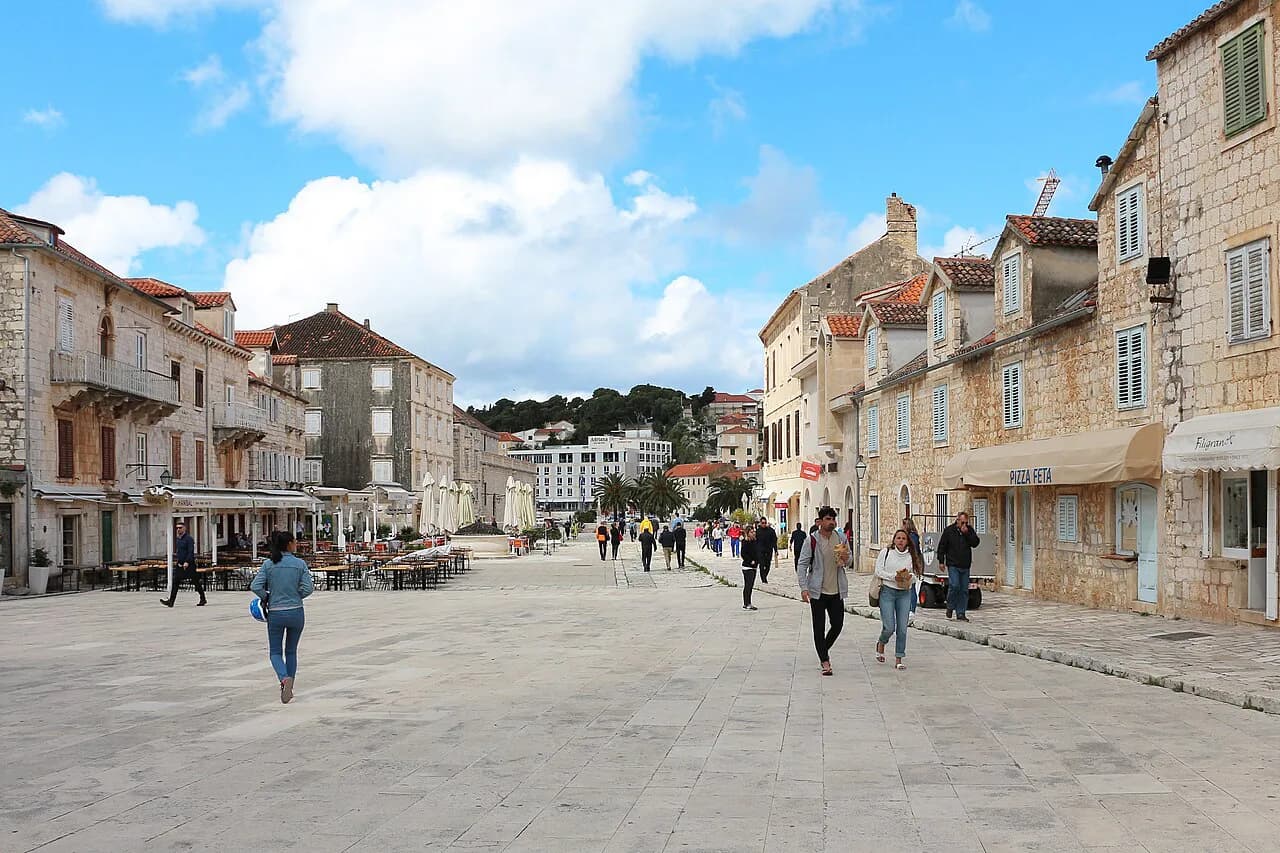
St Stephen's Square, Trg sv. Stjepana, is the heart of the old town: a broad marble-paved space lined with Venetian buildings, terraces and the cathedral, and the point from which everything else is measured. The Riva runs along the harbour edge just below and east of it, palm-lined and flat, and this is where the waterfront life of the town concentrates. Behind and above the square, the stepped lanes rise towards the fortress, narrowing as they go.
The old town is completely pedestrianised, so orientation is simple: water on one side, hillside on the other, square in the middle. Signs from the square point the way up to the fortress, and the route continues alongside the fortress walls as it climbs. Once you have fixed the square and the Riva in your mind, you can wander the lanes without worrying about getting lost, because every downhill turn eventually returns you to the harbour.
The walk, start to finish
Start on St Stephen's Square, look at the cathedral facade and the arcaded buildings around the edge, then cross to the Arsenal before turning uphill. Follow the signed steps from the square up to the fortress, take the view, and come back down by a different lane so the descent shows you streets you missed on the way up. Finish on the Riva with the harbour in front of you. Done at an unhurried pace, that loop covers the essential old town in a few hours.
The order matters more than the pace. Climbing first thing puts the steepest work behind you before the midday heat builds, and it leaves the flat square and waterfront for when you are tired. Doing the fortress last instead gives you the late-afternoon light over the rooftops, which is the more rewarding trade if you can handle the climb at the end of the day.
St Stephen's Square and Hvar Cathedral
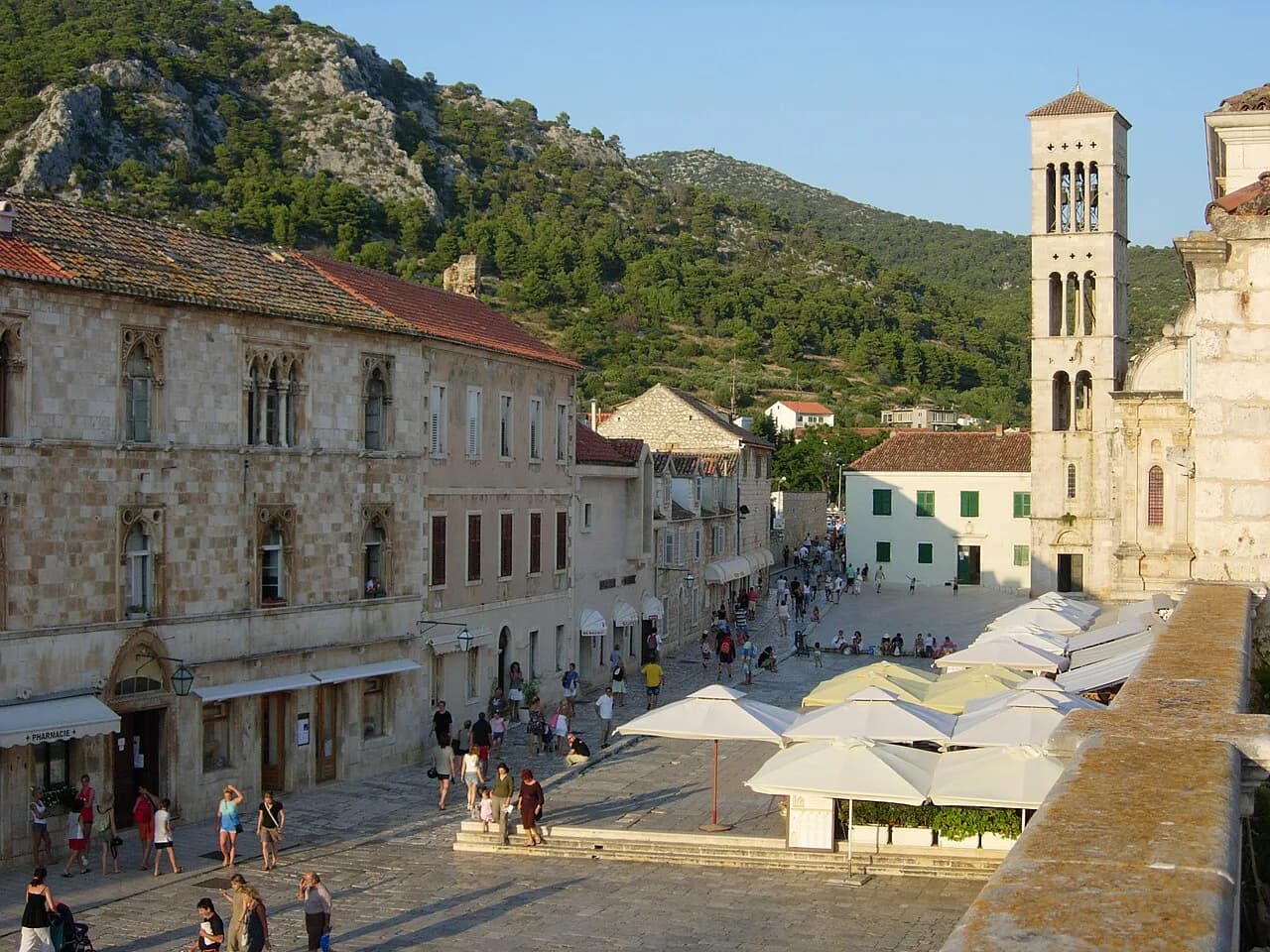
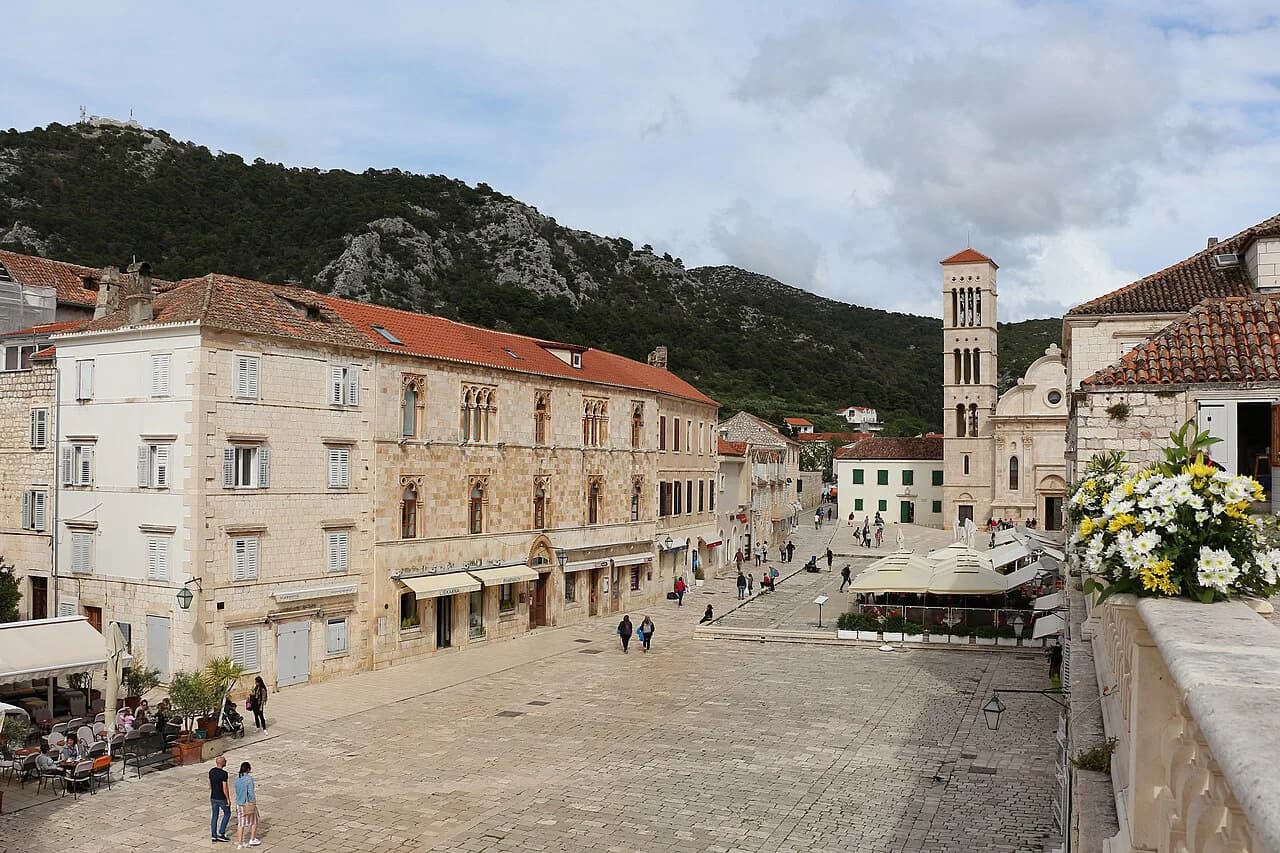
The square is the showpiece: marble paving, a cathedral, and a ring of Venetian-style buildings with terraces at ground level. It is one of the prettiest squares in Croatia and it works as a room rather than a thoroughfare, which is why sitting at its edge for twenty minutes tells you more about the town than rushing across it. The cathedral sits among the buildings on the square, and the lanes immediately behind it are worth a detour.
Around the square and in the lanes just off it you will find artisan shops and restored roof terraces tucked into traditional stone buildings. The historic core has the same green shutters and pale stone as Split, Trogir and Korčula, so if you have come from those towns the architecture will feel familiar rather than novel. What distinguishes Hvar is the way the lanes fold tightly around the square and then open suddenly onto harbour views.
The Arsenal and its veranda
The Arsenal is the historic building on the square, and its distinguishing feature is an expansive veranda at the top that overlooks the terraces below and gives a panoramic view across the whole scene. It is a good low-effort alternative to the fortress climb if your legs or the heat are against you, since you get elevation and a view without the long staircase. The veranda is a place to linger rather than a sight to tick off, so budget time for a drink there.
Španjola, the fortress above the town
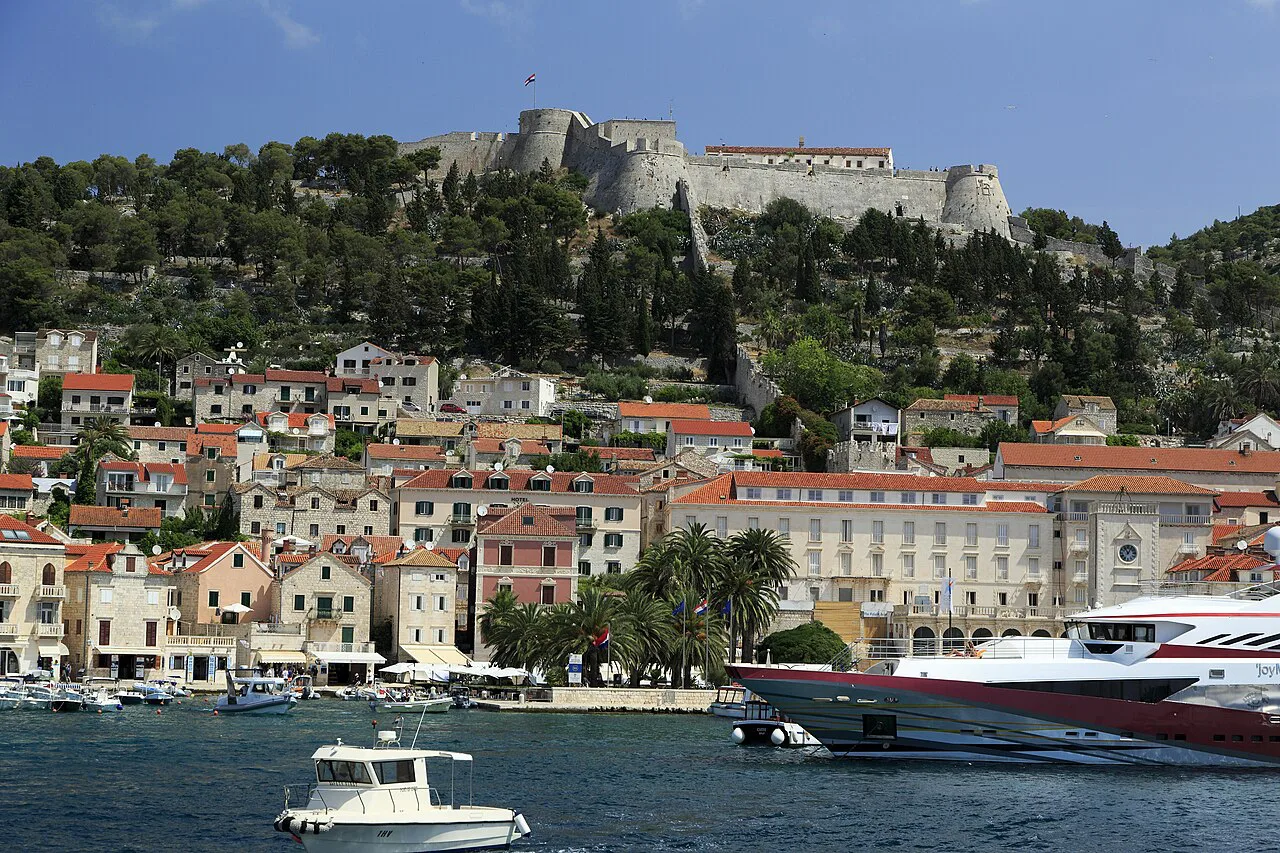
The Spanish Fortress, Španjola, is the town's most prominent landmark, sitting high above the bay with the Pakleni Islands spread out beyond the harbour below it. The climb starts from St Stephen's Square and follows stone steps up alongside the fortress walls; it is steep and exposed, so typical summer midday heat makes it harder work than the distance suggests. Late afternoon is the better trade, with golden light over the terracotta rooftops and thinner crowds than at midday.
There is a terrace and a small café at the top, but be clear about the trade-off: the view from up there is largely blocked by the outer fortress wall, so the panorama you have climbed for is best taken on the way up or from the walls themselves. Many visitors get their best photograph from the steps below the summit. Admission is charged, and the ticket price is set by the town; confirm the current rate and opening months locally before you commit to the climb.
Lanes and the quieter side streets
The streets behind the waterfront are where the old town thins out and the noise drops. Cobbled lanes, traditional stone houses and the occasional hidden courtyard sit a few minutes from the square, and walking them costs nothing but time. Pick a lane heading uphill from the square, follow it until it bends, and take the next downhill turn back towards the harbour; that pattern gives you the quieter corners without any planning.
Sailing out to the Pakleni Islands
The Pakleni Islands lie just off Hvar Town and are the natural extension of an old-town day: the boat leaves from the harbour you have been walking around, and the crossing is short enough to make a half-day of it. What is involved depends entirely on the boat company and the season, so ask at the harbour about departures, crossing times and fares rather than relying on a printed timetable. Allow a full day if you want both the fortress and a boat trip without rushing either.
How long Hvar Old Town needs
A half-day covers the square, the cathedral, the Arsenal and the Riva comfortably, with time for a slow coffee in between. Add two hours or so for the fortress climb and the descent by a different route, which brings you to a full day once you include lunch. A boat to the Pakleni Islands on top of that is a second day, or a long single day if you start early and skip the lingering.
When to come and what to expect
Summer brings the crowds, and the old town is small enough that a busy day feels busy everywhere: the square, the fortress steps and the Riva all take the pressure at once. Late afternoon is the reliable compromise, cooler than midday, with better light on the fortress and fewer people on the climb. Outside high summer the town is calmer, but some seasonal businesses open on reduced hours, so plan around the historic core rather than any single venue.
Practicalities: steps, ferries and getting in
Everything in the old core is on foot, and the streets are paved with stone that becomes slippery when wet, so flat shoes matter more than they might seem to. The main obstacles are the stepped lanes to the fortress and the cumulative climbing between the harbour and the upper streets; anyone with mobility concerns should stay on the square and the Riva, which are level. Ferries and catamarans arrive at the harbour, putting you directly at the edge of the old town with no transfer needed.
Square first, fortress second
Walk Hvar Old Town in one loop: St Stephen's Square and the cathedral, the Arsenal veranda, then the signed climb to Španjola and back down through a different lane to the Riva. That order gives you the town's shape early and its best light late, with the flat, pedestrianised core as an easy fallback if the heat or the steps defeat you. Keep the boat to the Pakleni Islands as a separate half-day rather than cramming it in.
Explore more Hvar guides
Frequently Asked Questions
Is Hvar Old Town worth visiting if I am not interested in nightlife?
Yes. The old town is a pedestrianised Venetian quarter built around a marble square, a cathedral, the Arsenal and a hilltop fortress, and the lanes behind the waterfront are quiet. What draws crowds in summer is the harbour setting and the fortress view, not the bars, so you can fill a half-day or a full day on the historic core alone.
Do I need a ticket for the Hvar fortress?
Admission to Španjola is charged, and the town sets the rate. Confirm the current price and opening months at the entrance or with the town tourist office before you start the climb, since both can change by season. The climb itself is free, and the steps begin from St Stephen's Square.
How do I reach the Pakleni Islands from Hvar Old Town?
Boats leave from Hvar Town harbour, which sits directly below the old town, and the crossing is short. Departure times and fares vary by operator and season, so ask at the harbour on the day rather than relying on an old timetable. Allow a half-day if you want time ashore.
Sources
Notes from the Croatian coast
Optional updates when our guides change.
You might also like
Continue reading
More guides you'll find useful