
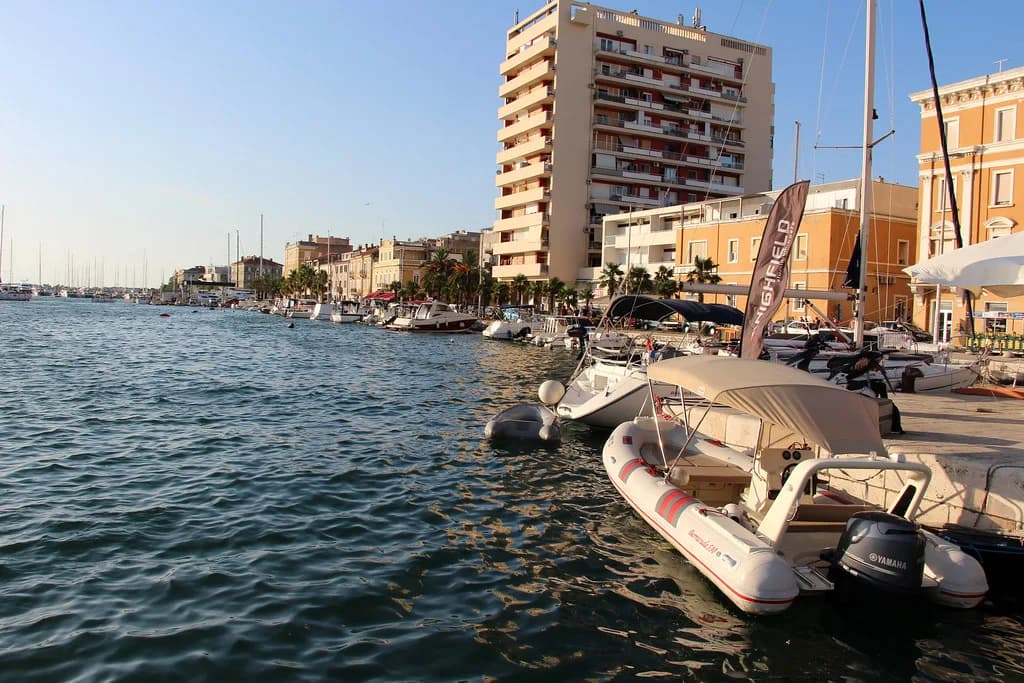
Voštarnica, Zadar: what the district is like and who it suits
Voštarnica is Zadar's first residential district laid out to an urban plan, built during the 1960s and 1970s, and it remains a working neighbourhood rather than a tourist sight. Walk through it and you see apartment blocks, ordinary streets and daily life, with the Old Town a short walk away. This guide covers what the district is, who it suits, what you can reach on foot and how much of a Zadar itinerary it deserves.
Treat Voštarnica as a place to sleep and shop rather than a place to tick off. Its appeal is the trade-off: quiet, ordinary streets and a local rhythm, in exchange for none of the postcard setting you get inside the peninsula.
What Voštarnica is and where it sits
Voštarnica was the first quarter of Zadar to be built up according to a planned urban layout, developed across the 1960s and 1970s. That makes it a child of post-war modern Zadar rather than of the Venetian and Roman city that draws visitors. The result is a district of housing blocks and everyday infrastructure, not monuments.
The district sits on the mainland side of Zadar, inland from the old peninsula that holds the Old Town and the Riva waterfront. That geography matters more than any single address: you are outside the historic core but close enough to walk in. The peninsula, known as Poluotok, is where the Roman Forum, the churches and the Sea Organ are concentrated; Poluotok, Zadar covers that core.
Because Voštarnica is residential rather than scenic, it rarely appears on short-break itineraries. If you want to compare it with the city's other districts before choosing a base, the Zadar Neighborhoods: 4 Area Guides sets out how the centre, Borik and Arbanasi differ.

What the district feels like
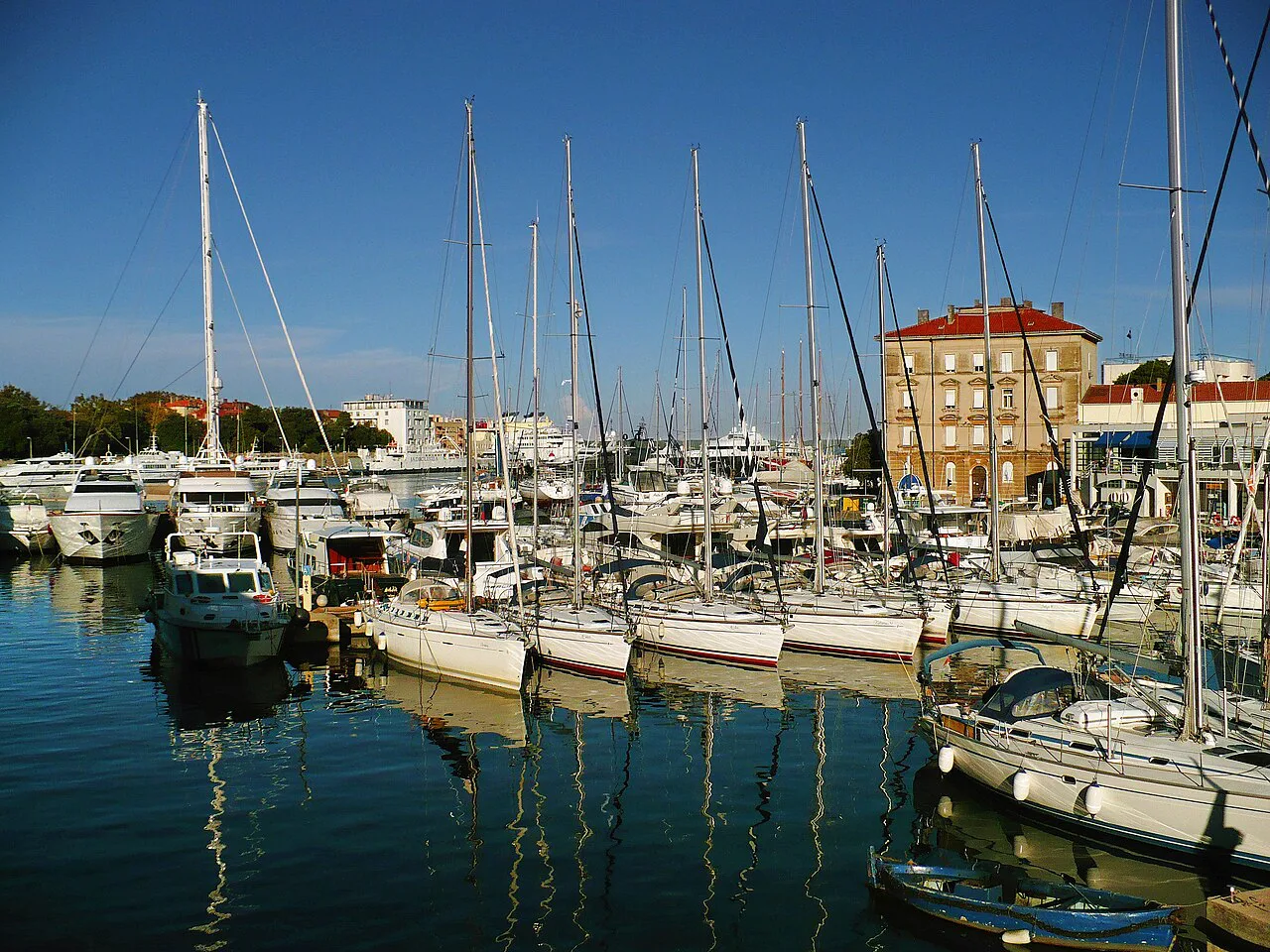
Expect apartment blocks, balconies, local shops and streets used by residents going about their day. There is no seafront promenade here and no cluster of museums; the pleasure is in seeing how a modern Croatian city actually lives.
The look is unmistakably planned rather than organic: repeated building types and open space between blocks. Architecture-led travellers may find it unremarkable, and that is fair. Its value to a visitor is functional and atmospheric rather than aesthetic.

Who Voštarnica suits and who it does not
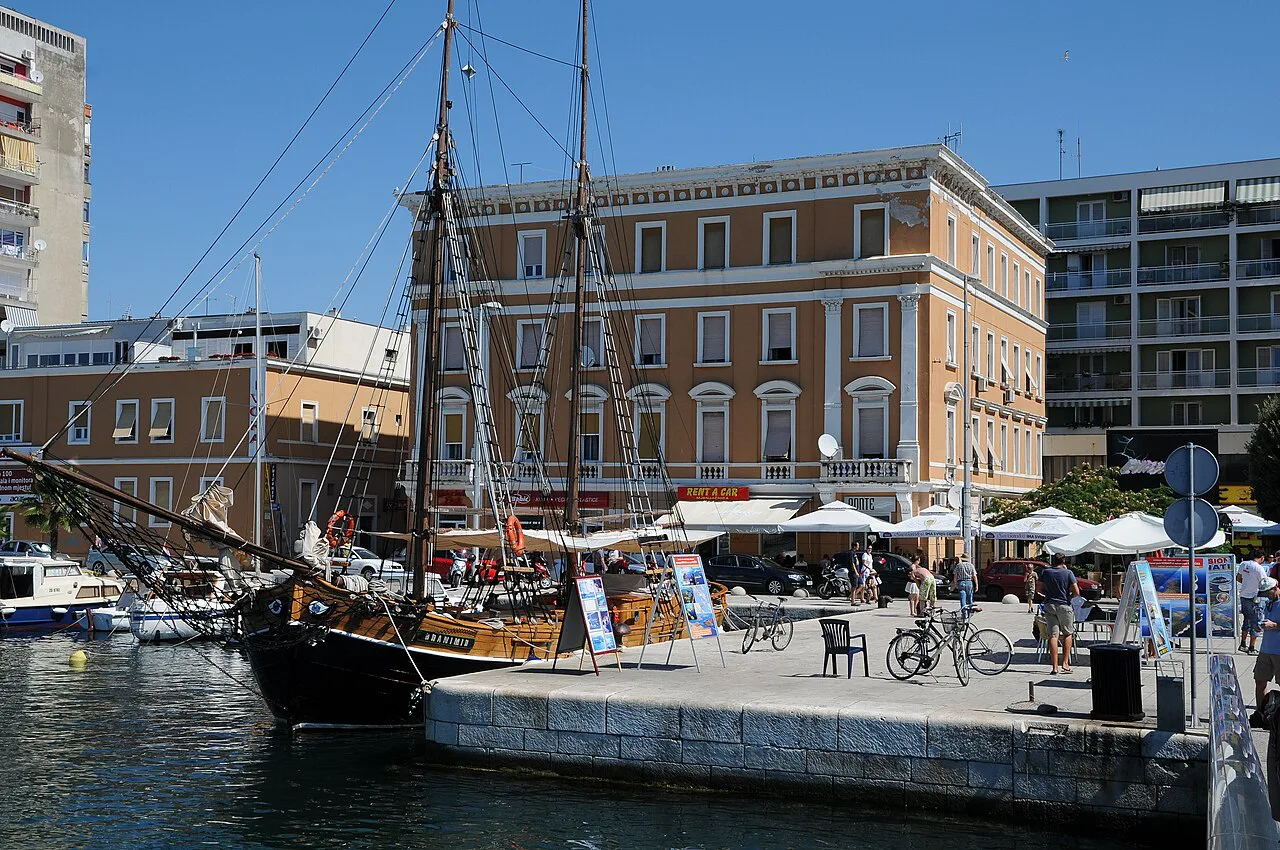
Voštarnica suits travellers who want a calm, ordinary base within reach of the centre, who plan to cook or shop locally, and who prefer residential streets to a tourist strip. It also works for repeat visitors to Zadar who have already done the Old Town and want to see the modern city.
It does not suit first-timers who want sea views from the window, a balcony over the water or the Old Town on the doorstep. If those are priorities, Borik, Zadar is the better comparison for a coastal base with a beach-resort feel.
Travellers looking for the historic, densely packed streets of the old city should stay on the peninsula instead. Arbanasi, Zadar is another option for those drawn to a district with its own distinct history and character.
What is within walking distance
The main reason to base yourself in Voštarnica is that the Old Town is a manageable walk rather than a bus ride. From there, the Roman Forum, the Church of St Donatus and the Cathedral of St Anastasia sit close together in the historic core, all on the peninsula.
Continue to the tip of the peninsula and you reach the waterfront installations that most visitors come for. The Sea Organ (Morske orgulje) works through pipes set into the steps, so the sea itself plays the instrument, and the neighbouring Greeting to the Sun is a paved surface of solar panels that lights after dark.
The Riva runs along the peninsula's waterfront and is the natural route between the Sea Organ end and the Old Town streets. Walking the whole circuit from Voštarnica, around the old town and back, is an easy half-day at a relaxed pace.
Everyday eating and shopping in the district
Voštarnica's commercial life is aimed at residents: small groceries, bakeries and everyday services rather than destination dining. For a self-catering stay, that is precisely the point. Outlets change, so check what is open on the ground rather than relying on a fixed list.
For a proper meal, most visitors walk into the Old Town or along the Riva, where the choice is far wider. Zadar's restaurants mix Dalmatian and Mediterranean cooking, from simple konoba plates to more polished dining. For orientation on the sights and the other districts, see Zadar Attractions: 13 Visitor Guides and Zadar Neighborhoods: 4 Area Guides.
Getting to Voštarnica and getting around
Voštarnica is reached from the rest of Zadar by road, and the historic core is close enough that many visitors simply walk in. Local transport connects the residential districts with the centre, but routes and timetables shift with the season, so confirm them with the local operator or at a tourist information point on arrival.
Once in the district, everything is on foot: the streets are ordinary city streets with pavements, and you will not need a car to reach the Old Town. If you are arriving by ferry or catamaran into Zadar's port, the peninsula is your landing point, and Voštarnica lies beyond it on the mainland side. Jadrolinija and Krilo publish their sailing schedules, so check times with those companies before you travel.
Property portals list apartments in Voštarnica for sale and for rent, which confirms it functions as a residential address with rental stock. Those listings are not a travel guide, so confirm any accommodation directly with the individual host or letting agency you are dealing with.
How much time Voštarnica needs in a Zadar itinerary
Give Voštarnica an hour at most as a sight in itself, and only if you are interested in how modern Zadar was planned and built. Most of that hour is a walk through the streets rather than a stop at any single place.
Its real value is as a base: sleeping here turns the district into the first and last minutes of each day rather than a destination. If you are in Zadar for two or three days, that pattern works well; for a single night focused on the Old Town, staying on the peninsula is simpler.
Zadar repays time in the centre: the Roman Forum, the churches, the Sea Organ and the Greeting to the Sun are all within the old peninsula, and a full day covers them at an unhurried pace. Most visitors find two or three days in Zadar comfortable, but it depends on how much you want to see beyond the city.
Should you base yourself in Voštarnica?
Choose Voštarnica if you want a residential, everyday base with a walkable route into the Old Town and no interest in a sea view. It is a sensible, unglamorous choice that keeps you close to the Roman Forum, the Sea Organ and the Riva without sleeping inside the tourist core.
Choose elsewhere if your trip is short and centred on the peninsula, or if you want the water at the end of the street; Borik, Zadar and Poluotok, Zadar cover those alternatives. Compare all four districts in the Zadar Neighborhoods: 4 Area Guides before you book.
Frequently Asked Questions
In which country is Zadar located?
Zadar is a city on Croatia's Dalmatian coast, in the country's Dalmatia region. Croatia uses the euro, so all prices you see in Zadar are in euros.
Is Voštarnica part of the Old Town of Zadar?
No. Voštarnica is a planned residential district on the mainland side, built in the 1960s and 1970s. The Old Town, with the Roman Forum and the Sea Organ, sits on the peninsula beyond it and is reached on foot.
How long does it take to walk from Voštarnica to the Old Town?
Expect roughly 15 to 25 minutes on foot to the edge of the peninsula, depending on where you start. Treat that as an estimate and allow more in summer heat.
Does Voštarnica have its own restaurants and attractions?
It is primarily a residential district with everyday shops rather than a dining or sightseeing hub. Most visitors eat and sightsee in the Old Town and along the Riva.