
Poluotok, Zadar: the Old Town Peninsula
Poluotok is the peninsula that holds the whole of Zadar's old town, and it is small enough to cross on foot in under half an hour. The Riva along the south edge, the Roman forum, the pre-Romanesque churches and the Sea Organ on the western tip all sit inside that compact grid. This guide covers what is on the peninsula, who it suits, how you get there now the ferries have moved, and where the summer pressure points are.
What Poluotok is and where it sits between the Riva and the harbour
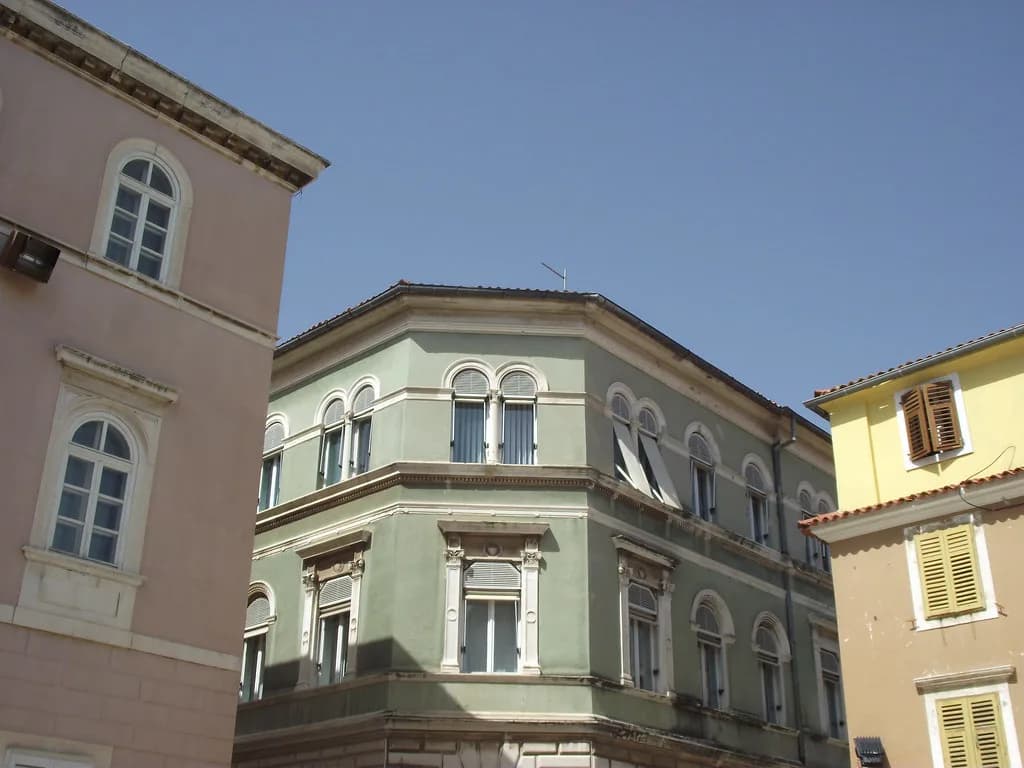
Poluotok means simply "peninsula", and that is what it is: a teardrop of land pushed into the Adriatic, with water on three sides. The south side is the Riva, the long waterfront promenade where the town walks in the evening, and the harbour edges the northeast flank facing the islands. The old town fills the space between them, laid out in lanes too narrow for anything but feet.
That geography decides whether you base yourself here. Staying on the peninsula puts the forum, the churches and the Sea Organ within a five- to fifteen-minute walk, but car access is effectively impossible and the streets are stone. Borik, the leafy northern district, and Arbanasi, the old suburb across the road from the centre, are the alternatives if you want to park or want space around you.

Who the peninsula suits, and who will find it cramped in high summer
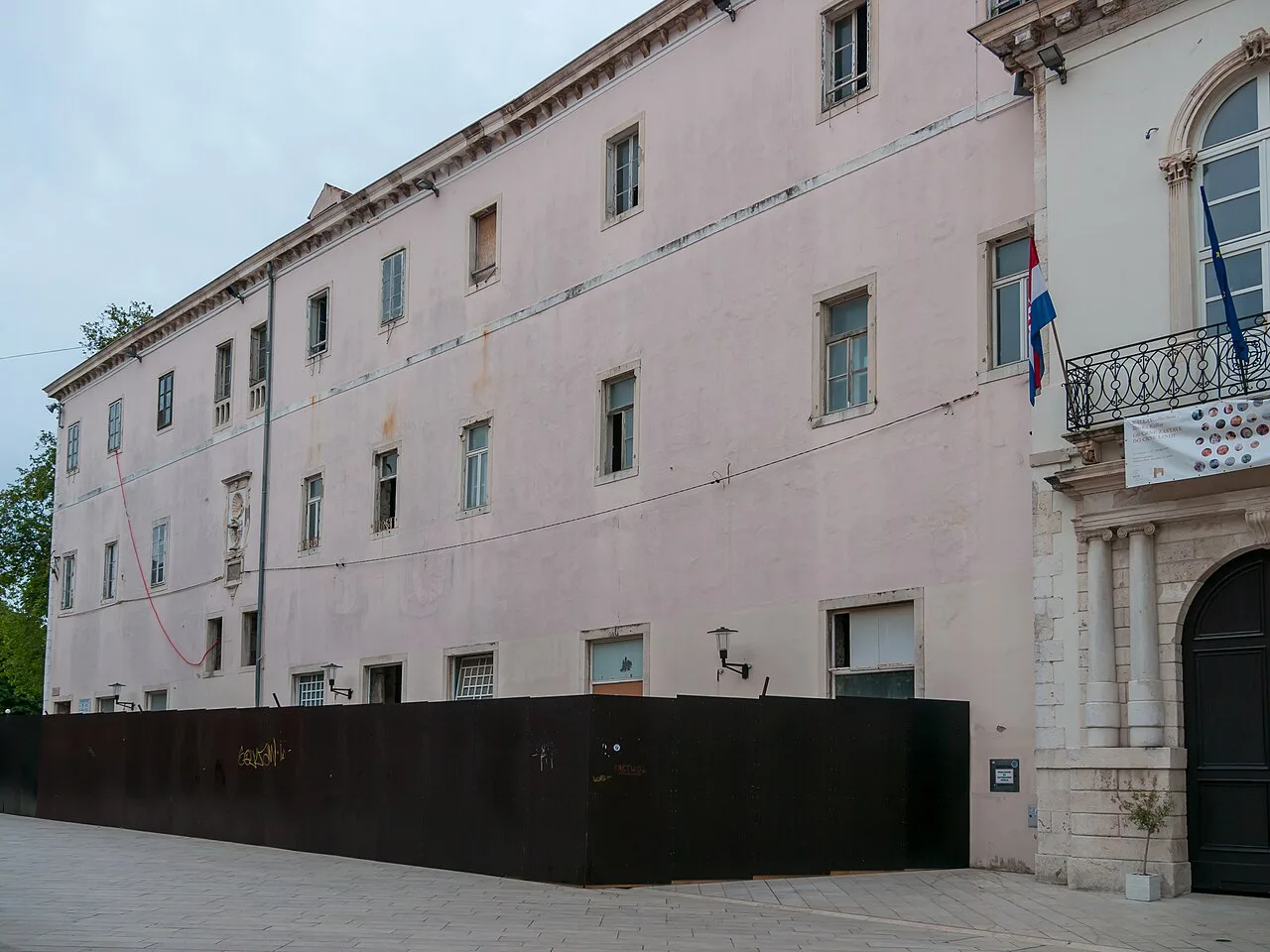
Poluotok suits travellers who want to step out of a doorway into the middle of an old town: short stays, first-time visitors, and anyone who would rather walk than drive. It is at its best in the shoulder months, when the lanes are leisurely and the waterfront is not shoulder-to-shoulder. The peninsula is flat, so the walking is easy even with luggage trundled over stone.
It suits drivers and beach-first holidays less well. The polished limestone lanes turn slippery when wet, and the historic core is a walking district where you park outside and continue on foot. Zadar's swimming is in the districts outside the centre, so the Riva is a promenade rather than a beach; those planning a wider stay often pair a night here with a base further out.

Getting there: the footbridge, the bus and the old-town approach
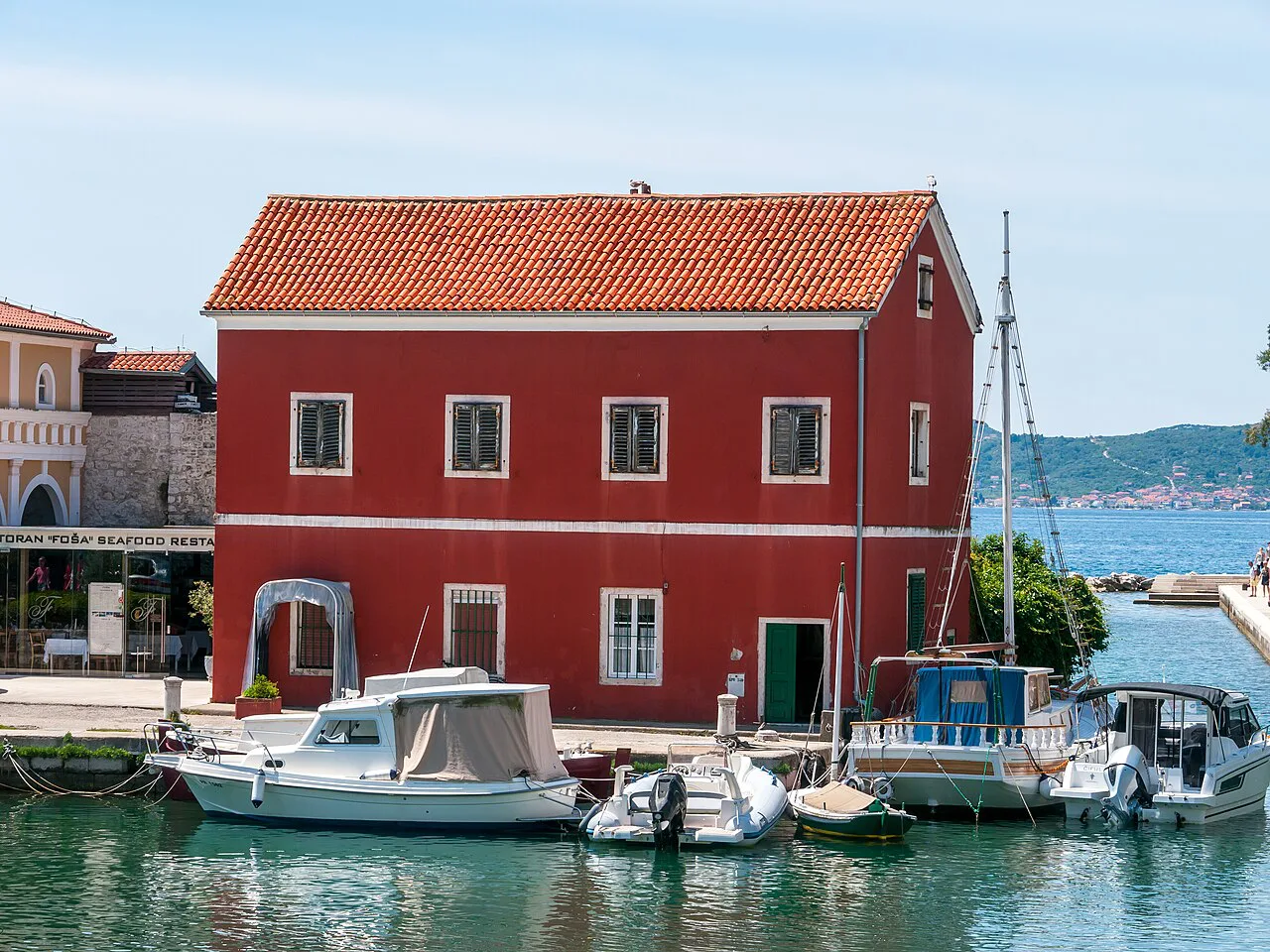
Most people arrive on foot across the short bridge linking the peninsula to the mainland at the eastern end, near the bus station and the market. Local buses serve the centre from the surrounding districts and stop close to that approach. Arriving by coach or car, you park outside the old town and walk the last stretch, where the stone-smooth lanes begin.
Ferry traffic no longer lands on the peninsula. The Zadar port authority describes the Poluotok passenger port as one of Croatia's oldest and, until the move, busiest, and says the transfer of ferry traffic to the port of Gaženica relieved the centre of congestion and made room for cruise ships, yachts and tourist boats along the waterfront.
In practice you reach Poluotok by land, not off a car ferry, and Gaženica is the harbour for onward sailings. The port authority publishes an interactive map and virtual walk of the Poluotok passenger port showing the waterfront layout. Check Jadrolinija or the port authority for current services before you plan a sailing.
The Riva and the waterfront edge of the peninsula
The Riva is the spine of the peninsula: a wide paved promenade along the southern shore where the town comes out in the late afternoon and evening. It runs the length of the old town's seaward side, from the harbour end to the western tip, and gives the classic view back towards the islands and the boats. Treat it as one continuous walk rather than a single sight, connecting the forum and the Sea Organ.
The waterfront absorbed the cruise traffic that the port authority cites as a reason for moving ferries out. On days when ships are in, the Riva and the western tip fill quickly, and the quieter pleasure is to walk it early in the morning. Tourist vessels still moor along this edge, so the view is rarely empty of masts.
The Roman forum and the pre-Romanesque churches around it
The Roman forum sits at the heart of the peninsula, a paved open space around which the old town's public life has always turned. It is flanked by one of Zadar's signature pre-Romanesque churches, and the surrounding lanes hold more of them in the compact early-medieval style that gives the centre its character. Give this part of Poluotok real time: the stonework rewards a slow look rather than a passing photograph.
Set aside an hour or more for the forum and the lanes behind it, and combine it with the Riva rather than treating it as a separate stop. The forum is also the natural meeting point for the old town, which makes it a good anchor for a day's wandering. For the city's sights beyond the peninsula, start with the Zadar Attractions: 13 Visitor Guides.
The Sea Organ (Morske orgulje) and the sunset crowds on the western tip
The Sea Organ (Morske orgulje) sits at the western tip of the peninsula, where the sea washes through steps cut into the waterfront and produces a constant low music. It is the most crowded spot on Poluotok when the sun goes down, with people gathering on the steps well before then to claim a place. Arrive from the forum end along the Riva rather than fighting through the tip twice.
If the sunset scrum does not appeal, come at another time: the organ sounds whenever there is swell, and the early-morning light on the water is a different experience. The same tip gives the open view back across the water towards the islands and is the natural end point of any walk across the peninsula.
Eating in Poluotok: what the compact centre offers
Eating on Poluotok concentrates in the lanes between the forum and the Riva, where small kitchens and cafés sit in converted stone buildings. Expect prime old-town pricing and a captive footfall; if you are watching a budget, eat a proper meal at lunch and keep the evening light. Konobas and cafés run from morning to late, and the busiest tables face the waterfront, so check menus at the door rather than assuming a figure.
The trade-off is convenience against value. Staying on the peninsula means eating within five minutes of your bed, but the same meal a short walk away in the surrounding districts often costs less. Book ahead in high summer for anything with an outside table on the Riva side, and compare a few menus before committing.
Where the ferry terminal sits now that passenger traffic moved to Gaženica
The large passenger and ferry port serving Zadar is at Gaženica, not on Poluotok. The port authority's own account is clear: the move freed the peninsula centre from heavy ferry traffic and let the waterfront handle cruise ships, yachts and tourist boats instead. If your trip involves a car ferry or catamaran on to the islands, allow for a journey out to Gaženica rather than a five-minute walk from the old town.
That separation is the main practical wrinkle of staying on the peninsula: you gain the old town on foot and lose a terminal at your doorstep. Build transfer time into your plans and confirm the departure point with Jadrolinija or the operator when you book.
Walking distances across the peninsula and how long to allow
Poluotok is compact enough to cross end to end in well under half an hour at a stroll, and the historic core sits within roughly a fifteen-minute radius of the forum. A realistic day is two to three hours of walking with stops: the forum and churches, the Riva, and the Sea Organ, with time left for the lanes in between. Wear shoes with grip, because the polished limestone is genuinely slick after rain.
For a shorter visit, an hour and a half covers the waterfront arc and the forum without hurrying. Stay into the evening and the peninsula changes character entirely, with the Riva full and the western tip given over to the sunset crowd. The quietest streets are the eastern lanes near the bridge approach, which see far less foot traffic than the two waterfront edges.
Honest trade-offs: cruise-ship days, the bura and summer heat
The peninsula's crowds are not evenly spread. When cruise ships are in port, thousands of visitors concentrate along the Riva and at the Sea Organ, and the lanes around the forum fill accordingly; with flexibility, walk the waterfront early and save the interior lanes for the afternoon. Sunset is the second daily peak, driven by the Sea Organ rather than the ships.
The bura, the cold north-easterly wind, can make the exposed waterfront and the western tip unpleasant even on a bright day, so keep a layer handy and use the sheltered lanes when it blows. High summer heat on the open forum and the Riva is another reason to walk early or late. Both are normal features of the Dalmatian coast, and both are easier to plan around than to endure.
Should you base yourself on Poluotok?
Base yourself on Poluotok if you want the old town, the Riva and the Sea Organ within a few minutes' walk and you are happy to leave the car outside and travel light. Do not choose it if you need a beach at the door, a ferry terminal you can walk to, or quiet streets in high summer. The peninsula rewards a short, concentrated stay over a long one.
The practical rule is to walk the waterfront arc early, give the forum and churches real time, and save the western tip for whichever hour best suits your tolerance for company. For the wider picture of where the peninsula sits among the city's districts, see Zadar Neighborhoods: 3 Area Guides.