
Natural History Museum Rijeka: what to see at the Prirodoslovni muzej

The Natural History Museum Rijeka is worth about an hour of your time if you want a compact, marine-focused collection with a small aquarium, and it suits families with children better than travellers hunting for a grand national museum. It sits in Lorenzov prolaz 1 inside Nikola Host Park, a short walk from the centre, and this guide covers how to find it, what is inside, how long to allow and where to check the current hours and prices.
Where the museum is and how to find it
The address is Lorenzov prolaz 1, inside Nikola Host Park, which places it just off the main grid rather than on a waterfront boulevard. Walkers coming from the centre should head for the park and look for the museum building within it, since the entrance sits on the small passage rather than a major street. Allow a few minutes to orient yourself in the park before assuming you have missed it.
From the Korzo, Rijeka's pedestrian spine, the museum is a straightforward walk inland and uphill towards the park. Visitors arriving along the Riva can cut up through the old town before reaching the park, which makes the museum an easy add-on to a morning in the centre.
There is no dedicated car park for the museum, so arriving on foot or by city bus and finishing the approach through the park is the simplest plan. The park's paths are short, and the passage entrance is signposted on the building itself. If you are combining several central sights in one day, work the museum into a walking loop rather than driving between them.

Opening hours and tickets: what applies now
The official museum site lists opening every day from 9.00 to 20.00 and states that the museum is closed on national holidays and public holidays. Treat that as the schedule to plan around, and confirm it on the museum's own page shortly before you go, because seasonal adjustments are common in Croatian museums.
Ticket prices are listed on the official museum site and on the Visit Rijeka page, which give adult and reduced child, student and pensioner rates. Those figures are still shown in kuna on the tourism pages, so check the current euro amount at the desk or on the museum's own site before you travel. Ask about child, student and pensioner concessions so you know what to have ready when you pay.
The museum does not publish a free general-admission day, so expect to pay unless it announces one. Ask at the ticket desk whether family or student rates apply if you are travelling with children or a student card.

What you actually see inside
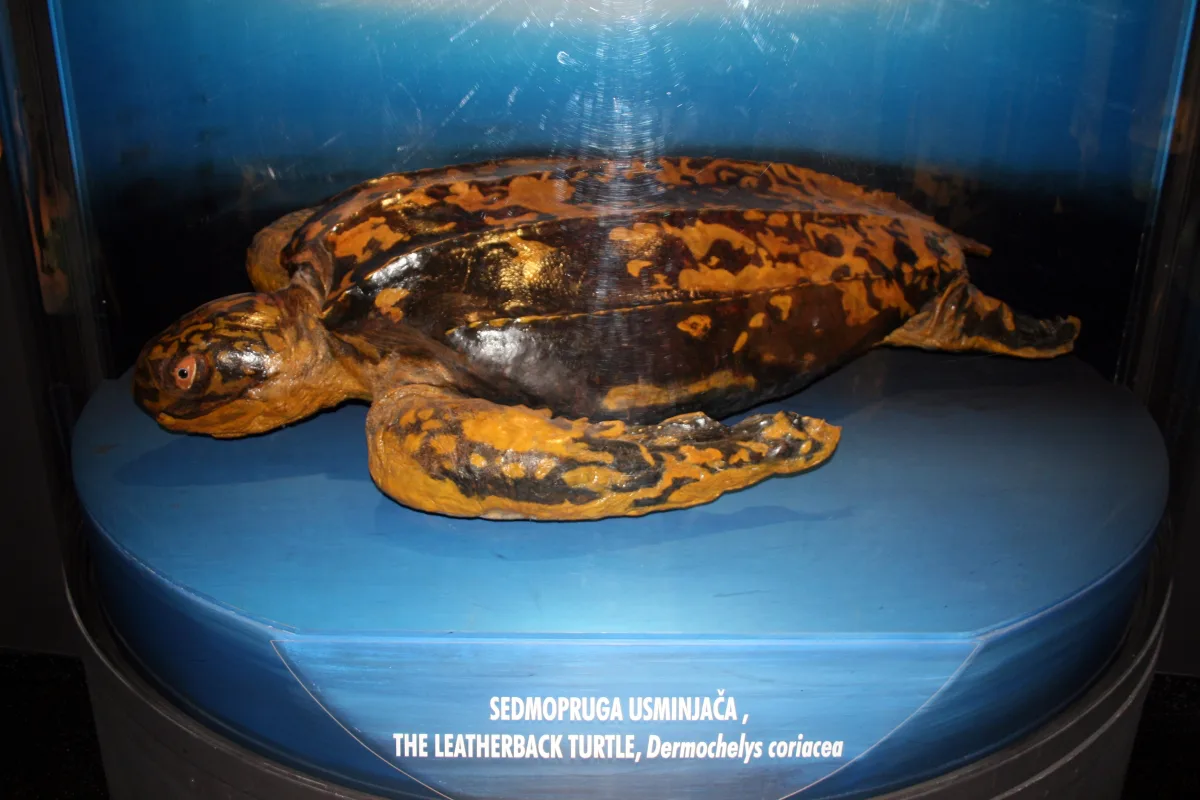
The permanent exhibition covers the geological past of the Adriatic, oceanographic research and a mineral collection, so the museum is framed around the sea and the rock beneath it rather than dinosaurs. The stated research focus on marine life is what shapes the displays, which is why the museum feels more like a regional science collection than a general natural history hall. Budget time for the geology and mineral cases if you like that material.
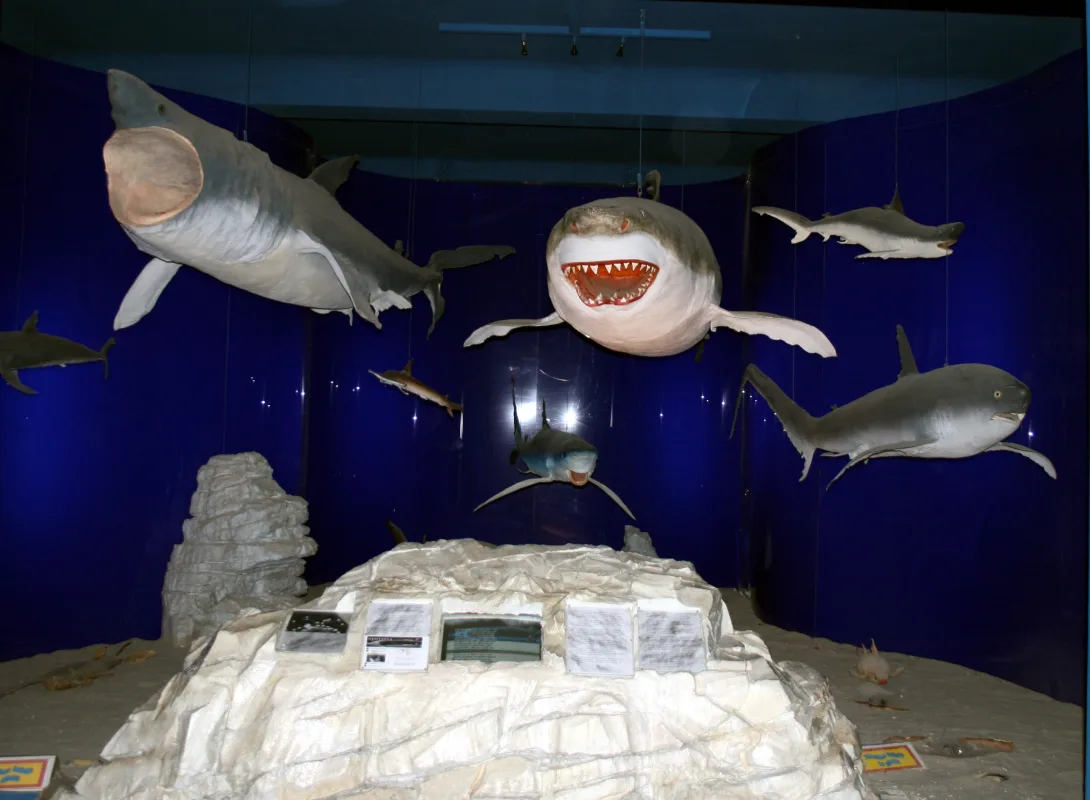
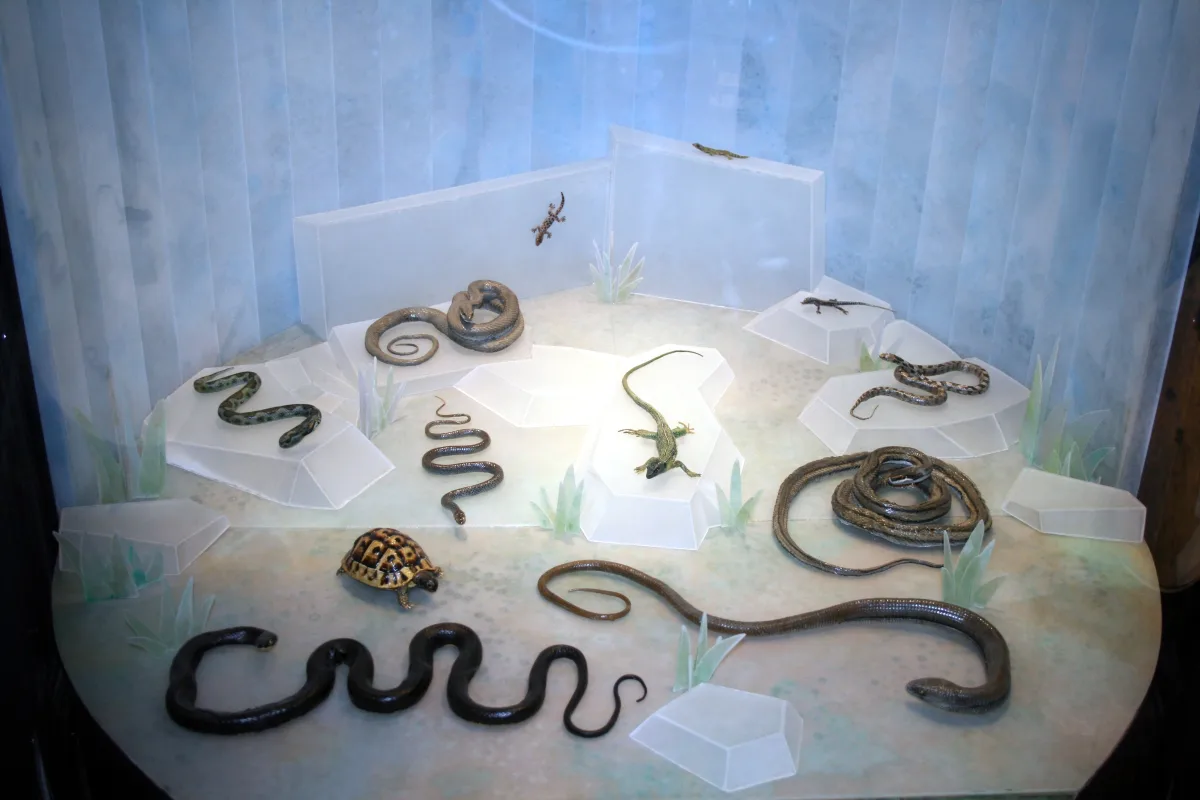
Sharks, rays and marine invertebrates are the centrepiece of the zoological material, alongside some insects, reptiles, birds and amphibians. That emphasis on the Adriatic makes the museum a useful primer before a ferry or a swim, though the displays are modest in scale. If you want a full afternoon, this is not the museum for it.
A multimedia centre with an aquarium holds species from the Adriatic Sea, including fish, sharks and rays. The aquarium is the part most likely to hold children's attention, and it is small enough to see in a single pass. There is also a botanical garden on site, which adds a few minutes outdoors in the park setting.
How long to allow and who it suits
For most visitors, 45 minutes to an hour covers the permanent displays and the aquarium without rushing. Families with young children often need a little longer because the aquarium and live-animal displays invite repeat looks, while adults with a specific interest in geology may stretch to 90 minutes. Plan the museum as a single stop, not a half-day.
The museum works well for families looking for an indoor hour, and for travellers curious about Adriatic marine life before heading to the islands. It is less compelling if you want blockbuster exhibits or extensive English-language interpretation throughout. Set expectations at compact regional museum rather than national showcase.
Because the museum is inside a park that once held a zoo and an aquarium until the 1960s, the building and grounds retain a slightly layered feel. That history explains why the setting is greener and quieter than a street-front museum. It also makes the walk to and from the entrance part of the visit.
The museum's history in brief
The museum was founded in 1876, when Joseph Roman Lorenz designed its concept on the model of Vienna's Naturhistorisches Museum, making it the first regional museum of its kind in the Rijeka area. It began as part of the City Museum and has operated independently since 1945. That lineage explains the breadth of the holdings behind a small display space.
The museum today also keeps a specialised library in biology, geology and palaeontology, which supports its marine research orientation. Visitors will not use the library, but it signals that the collection is a working scientific one. For a short visit, the practical takeaway is that the exhibits are backed by genuine regional research rather than assembled for tourists.
What to pair with the museum nearby
Trsat Castle sits above the city and makes a natural second stop, reached by a climb or a short bus ride from the centre. Its viewpoint over the Kvarner Gulf is the draw, and the contrast with the museum's indoor displays works well across a day.
Back at street level, the Korzo is where you will end up for coffee or a look at the shopfronts after the park. The Rijeka tunnel cuts through the old town and is a quick curiosity on the way between the centre and the upper streets. The clock tower and Molo Longo are both within walking distance if you have energy left.
Group the museum with the Korzo and one waterfront stop rather than trying to see everything in the centre in a single afternoon. The park setting means you will pass through it twice if you leave and come back, so plan a one-way route. That keeps the museum as a calm pause rather than another queue.
Is the Natural History Museum Rijeka worth an hour?
Yes, if you want a compact, marine-focused museum with a small aquarium and you are already in central Rijeka. Skip it if you are short of time and prioritising viewpoints or the old town. Either way, confirm the current hours and euro prices on the official museum site before setting out.
Plan the visit as a one-hour stop inside a longer walk that includes the Korzo and the park, and it will fit neatly into a day in the city. For the wider set of options, see the full collection of Rijeka attraction guides.
Explore more Rijeka guides
Frequently Asked Questions
Can you visit the Natural History Museum Rijeka for free?
The museum does not publish a free general-admission day, so expect to pay an entry fee. Check the ticket prices on the museum's official website before you go and ask at the desk about concession rates for children or students.
Is the Rijeka Natural History Museum good for children?
It suits children reasonably well because the aquarium and the shark and ray displays are small and easy to take in. The museum is compact, so an hour is usually enough before younger visitors lose interest.
How long does a visit to the Natural History Museum Rijeka take?
Most visitors need 45 minutes to an hour to see the permanent exhibition and the aquarium. Families may want a little longer, and anyone with a specialist interest in geology could stretch to 90 minutes.
What day is the Natural History Museum Rijeka closed?
The museum's official site lists daily opening from 9.00 to 20.00 and states that it is closed on national holidays and public holidays. Confirm the current schedule on the museum website before you travel.