
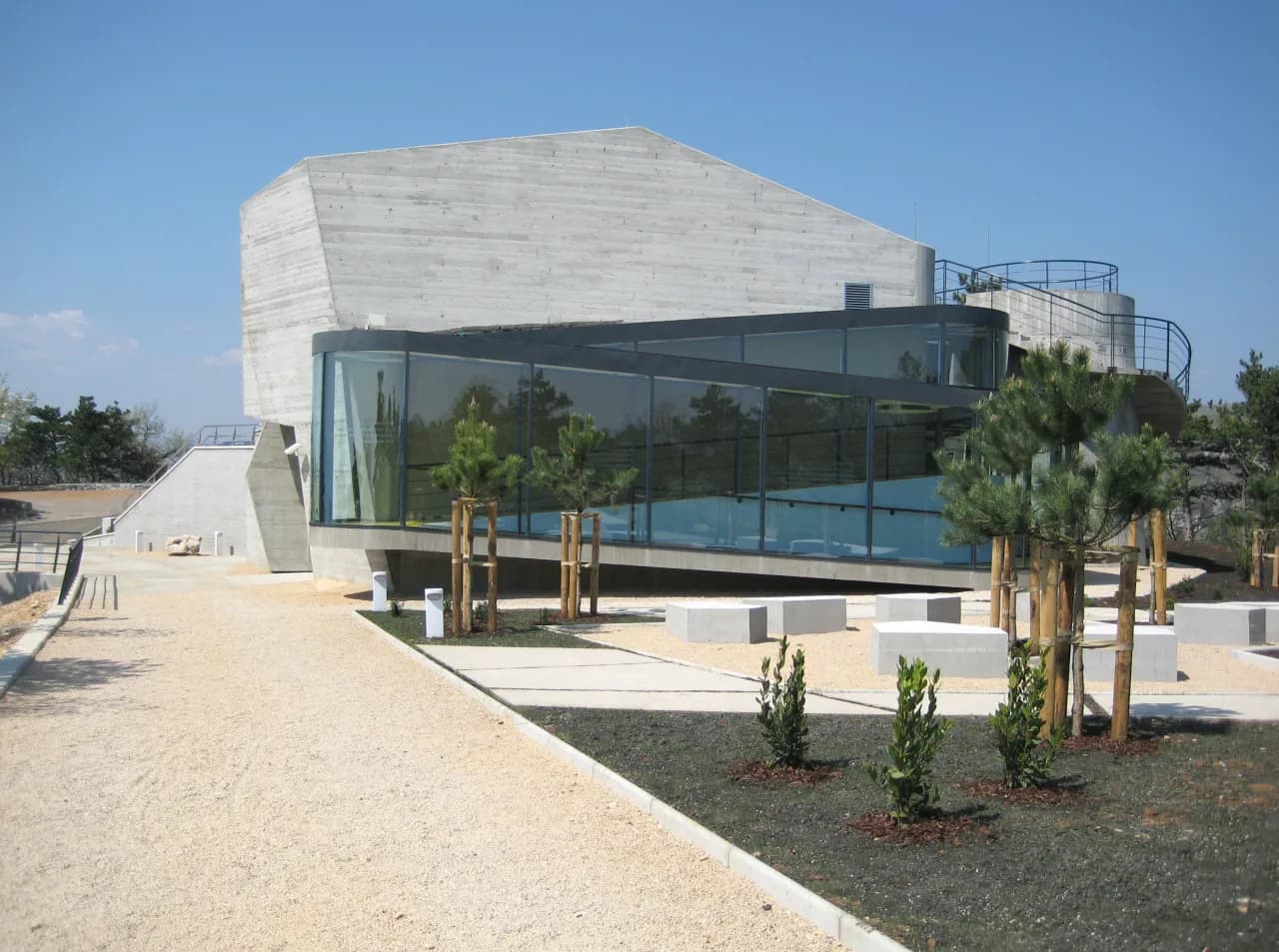
Astronomical Centre Rijeka: What to Expect from a Planetarium Visit

The Astronomical Centre Rijeka is a planetarium run by Rijeka sport, the city's sports and recreation company. Its programme is built around an expert-guided sky presentation lasting about 45 minutes, held in a planetarium described as a 50-seat amphitheatre projecting onto a dome. It is a seated, indoor, weather-proof attraction rather than an observatory tour, so the visit is short and easy to slot into a day in the city. This guide covers what you see inside, how the dome and projectors work, who the session suits and what to pair it with nearby.
What the Astronomical Centre Rijeka is and what you see inside
The centre's programme is built around astronomy talks rather than exhibits you wander past at your own pace. A session takes the form of an expert-guided presentation in which the night sky is projected overhead and the speaker explains how to orient yourself by the stars, identify constellations and pick out the brightest stars. The content goes beyond the familiar patterns to objects such as galaxies and globular clusters, and to phenomena including occultation, conjunction, opposition and eclipse.
Because the format is a talk, the value lies in the explanation rather than in hands-on equipment. Expect to sit, look up and listen for most of the session, with the presenter controlling what appears on the dome. If you want a planetarium where you can drift between displays, this is not that; if you want a structured introduction to what is above Rijeka, it fits well.
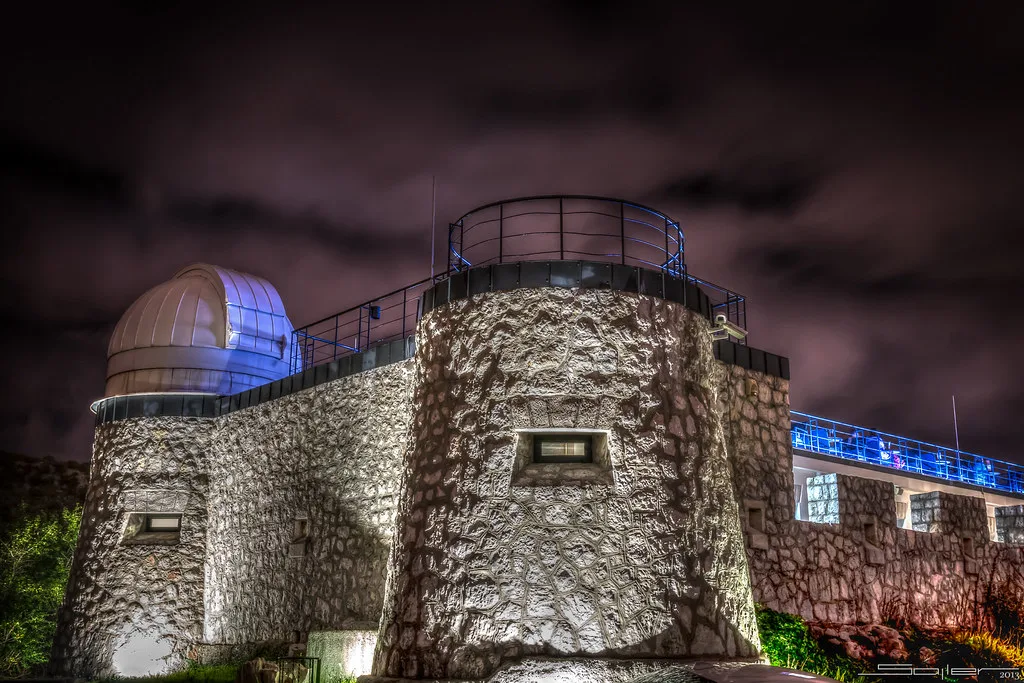
Where the centre sits in Rijeka
The centre is run by Rijeka sport, the company that runs the city's sports halls, pools and stadiums, so it is a public recreation venue rather than a museum sight on the waterfront. Its practical details — how to reach it, when public sessions run and what they cost — are published by Rijeka sport, so check current times and prices on its website before you set out.
Planning-wise, this is a common-sense add-on to a city day rather than a destination in its own right. Rijeka's centre is compact and walkable, so build the session into a morning or afternoon rather than a separate excursion.
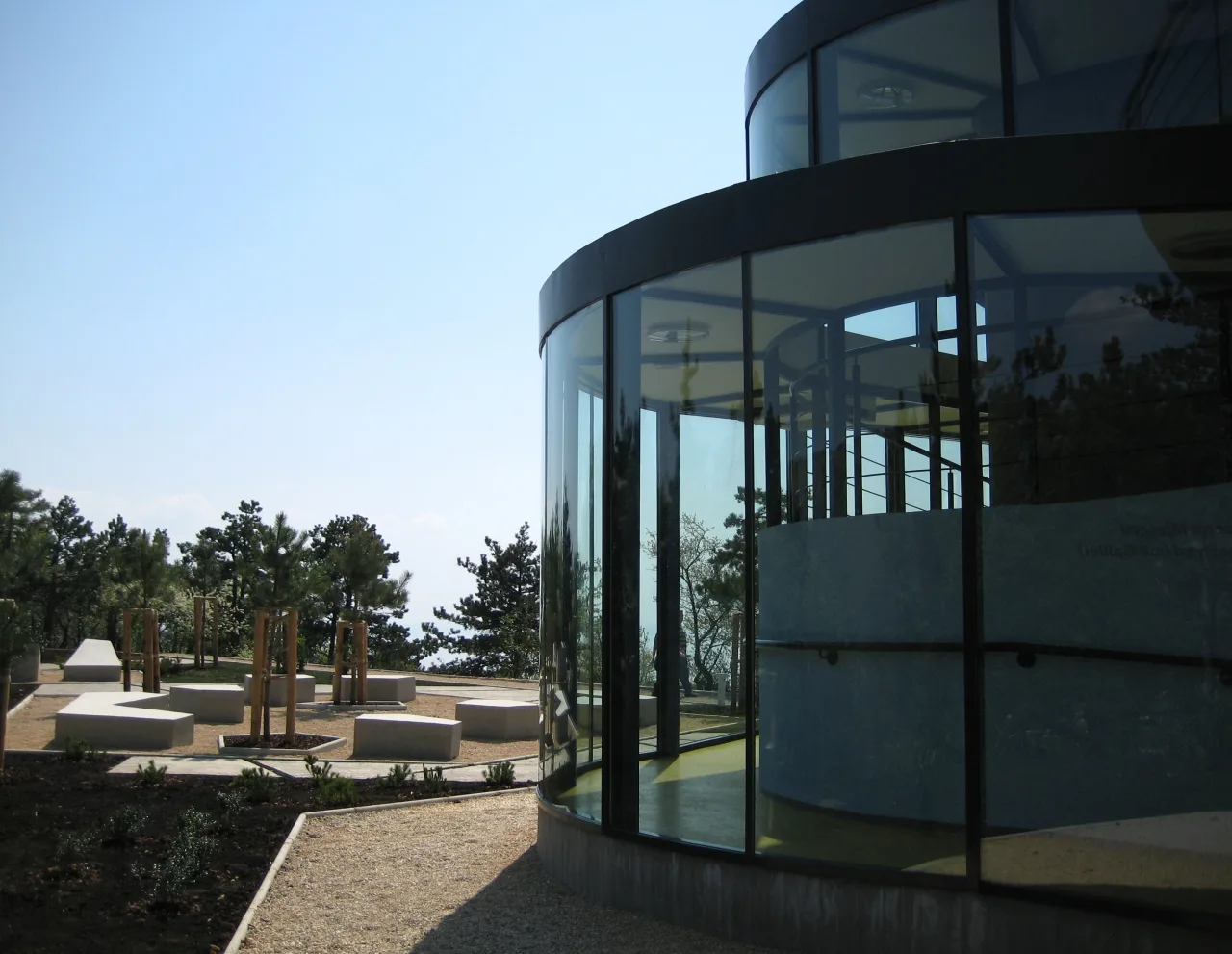

The 50-seat planetarium dome and how the projections work
The planetarium is a 50-seat amphitheatre designed for projections onto the ceiling of a dome. Cutting-edge digital projectors, a dedicated computer installation and a sound system carry the show, and lectures can also be staged with a speaker standing in front of the auditorium. With only 50 places, the room is intimate.
That scale shapes how a visit feels: the space is small, and the room is also available to hire, so private bookings and group visits can occupy a slot.
The guided presentation format and how long it runs
A standard guided session runs 45 minutes, which is short enough to hold the attention of older children and long enough to cover orientation, constellations, deep-sky objects and celestial phenomena. The presenter leads the session, and the format is described for higher grades of elementary school, so the pace is set for that level. Allow a little extra around the 45 minutes for arriving, settling and leaving.
The published format is described for school groups in the higher grades of elementary school, which tells you the level the material is pitched at: accessible, visual and explanation-led rather than technical. Adults travelling without children will still follow it comfortably, but do not expect a research-level lecture. If you are a serious amateur astronomer, ask Rijeka sport what a given session covers before booking.
Booking, tickets and show times: where to confirm them
Show times and prices are set by Rijeka sport and can change, so confirm them directly with the centre before you travel rather than relying on a printed programme. If your dates are fixed, ask about availability first, since private bookings and group visits can occupy a slot.
Group visits and private use of the planetarium are arranged by request with a quote, so a school, club or family gathering should contact Rijeka sport in advance instead of turning up.
Who the centre suits best, including families and rainy days
The centre suits families with primary-age children and above, curious adults and anyone looking for an indoor hour when the bura is blowing or rain has settled in. The seated, 45-minute format works well for mixed-age groups because nobody has to walk far or keep pace. It is a poor fit for very young children who will not sit through a talk, and for visitors who want open-ended exploration.
If your trip is already packed with old towns and waterfront walks, the planetarium is a genuine change of register rather than another church or fortress. Pair it with a harbour-side stroll rather than trying to combine it with a full day out of the city, and keep the rest of the day light.
What else to see nearby in Rijeka
Rijeka's old town rewards a slow loop after a planetarium session. The pedestrian spine of Korzo leads into the compact centre, where the Rijeka Clock Tower (Gradski Toranj) marks the old town gate and the Riječki tunel, a wartime shelter tunnel, cuts through beneath it as a shortcut and a curiosity. The Cathedral of St. Vitus, a rotunda with a distinctive domed plan, sits close by.
Higher up, Trsat Castle gives the best wide view over the city and the Kvarner Gulf, and it is a natural half-day companion to an indoor session rather than a same-hour add-on. The Governor's Palace and the Museum of Modern and Contemporary Art Rijeka (MMSU) cover the city's Habsburg and modern art strands for anyone staying longer.
Is the planetarium worth an hour of your Rijeka day?
Book it if you want a short, seated, well-explained introduction to the night sky and a reliable indoor option when the weather turns; skip it if you prefer to move through exhibits at your own speed or have very young children in tow. The 45-minute format and 50-seat dome keep the commitment small, which makes it an easy addition to a city day rather than a reason to restructure your trip.